Snapshot testing services

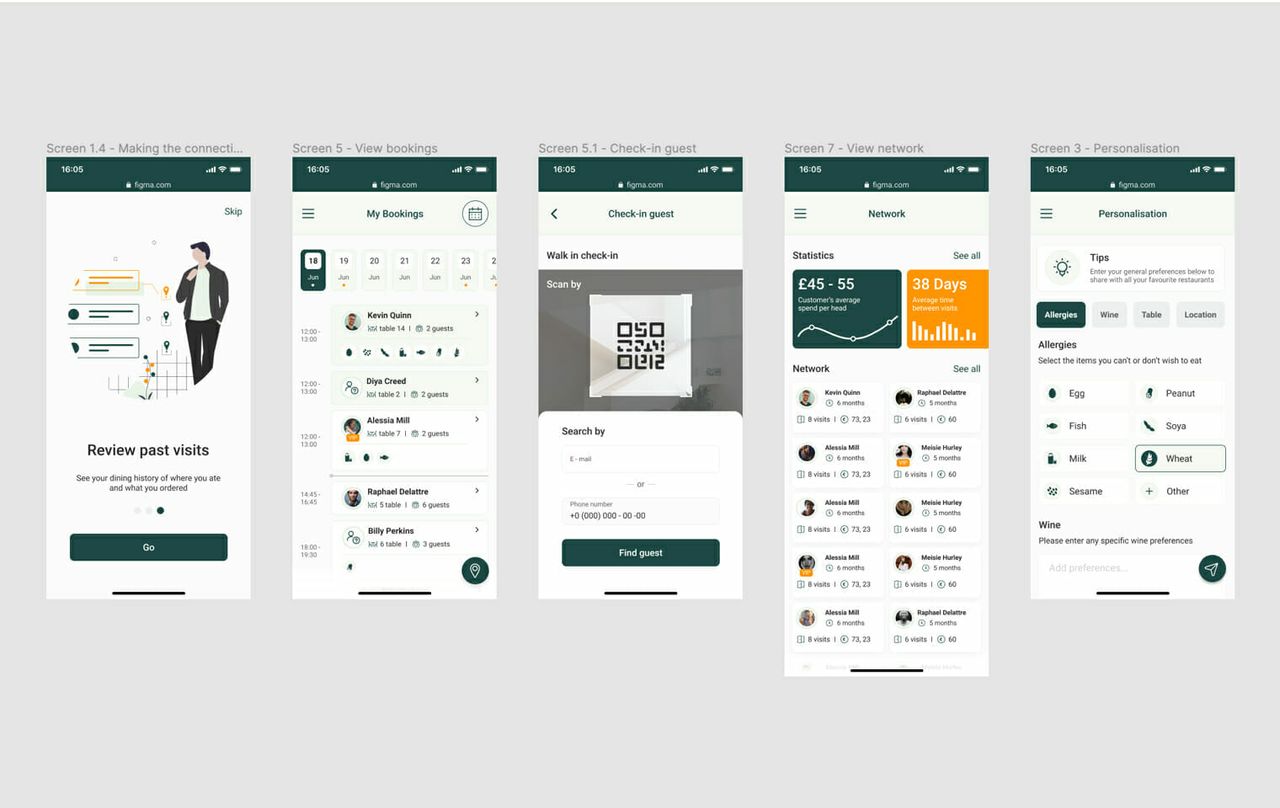
Snapshot tests help teams understand how their user interface changes over time. They capture the exact output of a component at a specific moment, then compare future versions against that stored snapshot. If the rendered structure shifts unexpectedly, the team is alerted before the change reaches users. We help teams introduce snapshot testing practices that strengthen interface stability and make frontend development more predictable.

How snapshot tests work

When a user interface component is rendered, the test framework stores its output as a snapshot. This might include the HTML structure, component state, or any variations that arise from props or dynamic content. The next time the component runs through the test, the new output is compared against the original. If anything differs, the team can decide whether the change reflects a genuine improvement or an unintended break.

This approach provides a clear view of how components evolve, especially across large or fast-moving codebases. It also supports teams who depend heavily on design systems or reusable UI patterns.
Why teams rely on snapshot testing

Visual interfaces change for many reasons. Small refactors, dependency updates, behaviour changes, and even content differences can alter how a component is rendered. Without a stable reference point, it can be difficult to spot when these shifts introduce regressions. Snapshot tests act as an early warning system by highlighting structural changes that manual review may overlook.

For teams operating at scale, snapshot tests bring predictability. Developers can refactor or clean up components with confidence, knowing that unintentional changes to the UI will be detected quickly. This reduces time spent on late-stage fixes and supports a more controlled release process.

Where snapshot testing fits into real workflows

Snapshot testing is most effective when introduced early in the component lifecycle. Teams often apply it during design system development, when new components are created or existing ones evolve. It also works well as part of a continuous integration pipeline, where snapshots act as a guardrail that prevents unexpected output changes from moving forward.

Because snapshot tests focus on structure rather than behaviour, they complement other testing approaches. Markup tests validate semantics, accessibility checks guard usability, and functional tests confirm interactions. Snapshot testing sits alongside these, providing a stable reference for the visual and structural footprint of your components.

What snapshot tests help teams discover

Snapshot tests are particularly good at identifying subtle UI regressions. These might include small but meaningful shifts such as changed class names, missing elements, altered hierarchies, or differences in component states. They can also highlight issues that are not immediately visible, such as unexpected wrapper elements or duplicated markup generated after a refactor.

These kinds of problems are common in maturing frontends. Snapshot tests make them easier to detect before they reach users.

Benefits and outcomes

Introducing snapshot testing creates stronger stability across the product. It helps teams catch unexpected changes early, reduces regression bugs, and supports more reliable releases. It also improves collaboration across design and engineering by making structural changes visible and measurable.

Typical outcomes include:

  • More predictable UI development and refactoring
  • Clear visibility of unintended component changes
  • Reduced regression issues during integration and release
  • Better alignment with design system patterns
  • Increased confidence in long-term component maintainability
  • Lower QA overhead due to earlier detection of structural shifts

Snapshot tests create a reference point that helps teams understand how their interfaces evolve. By integrating this approach into your delivery workflow, Full Clarity support a more stable, consistent, and reliable frontend experience as your product grows.

FAQs

How do snapshot tests differ from visual regression tests?

Snapshot tests compare the structured output of a component, while visual regression tests compare screenshots. Snapshot tests are faster, easier to maintain, and ideal for detecting underlying structural changes that may not be visible in a screenshot.

Do we need snapshot tests if our components rarely change?

Even stable components evolve over time as the product grows. Snapshot tests help teams catch unexpected changes caused by refactors, dependency updates, or new features, and they offer a low-effort way to keep long-standing components reliable.

Can Full Clarity help us decide when snapshot tests are worth using?

Yes. We help teams assess where snapshot testing adds the most value, choose suitable tools, and integrate tests into their workflow without adding unnecessary overhead.

Book a virtual coffee

Speak directly with our founders Ed and Jon about how we can help you on your Innovation or Transformation project.

Contact
Ed & Jon

Contact details

Find us

Cheyenne House
West Street
Farnham, Surrey
GU9 7EQ

Cheyenne House
West Street
Farnham, Surrey
GU9 7EQ

Contact form

Looking for a long term partner to support your business?

By browsing our website you agree to our cookie policy. You can opt-out anytime from our cookies page