
UI design systems

UI design systems are a foundational tool that bring structure, consistency, and efficiency to digital product design. More than just a way to organise visual assets, a design system supports collaboration between product designers, smoother handovers to developers, and faster iteration throughout the design process.

Design system

What is a design system?

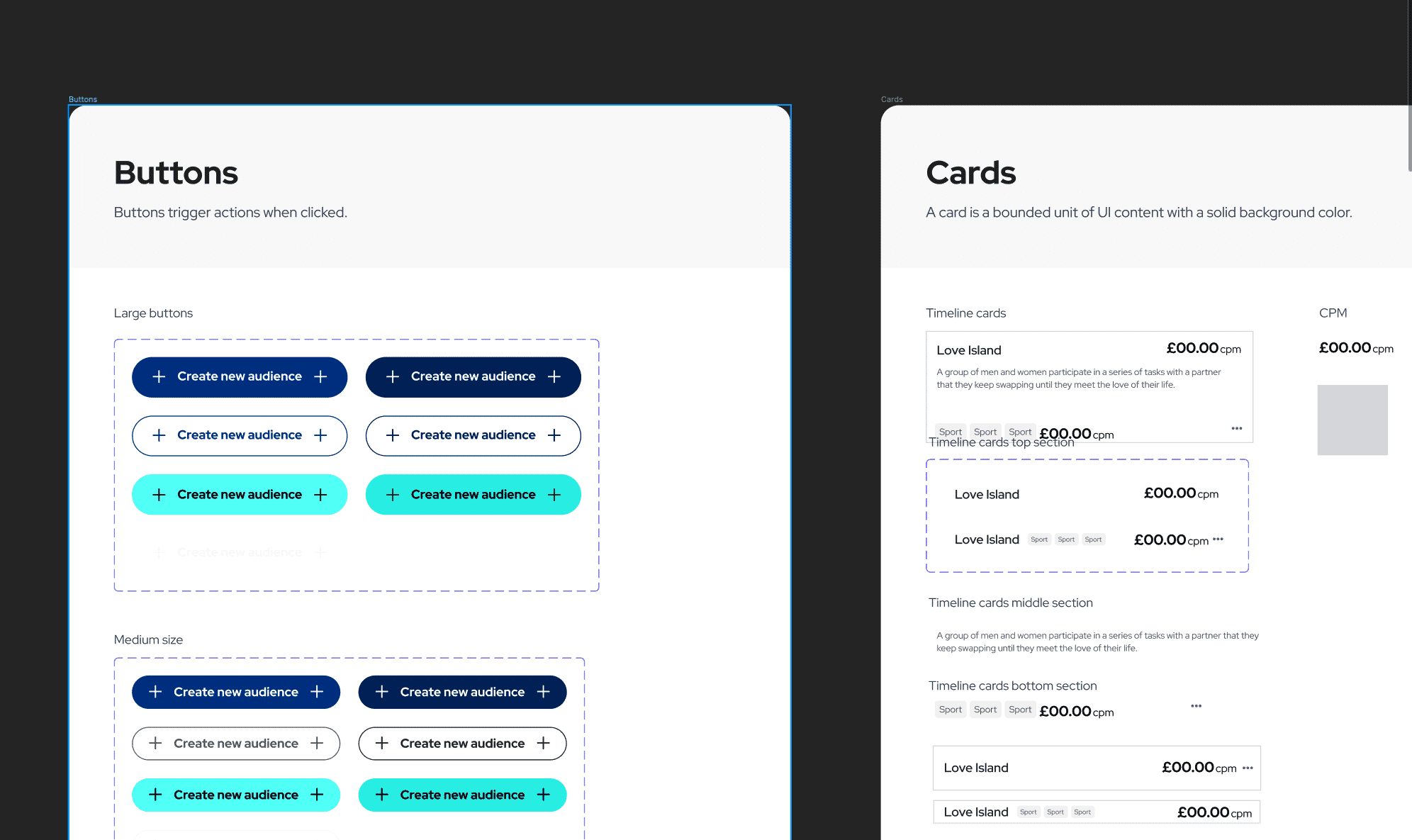
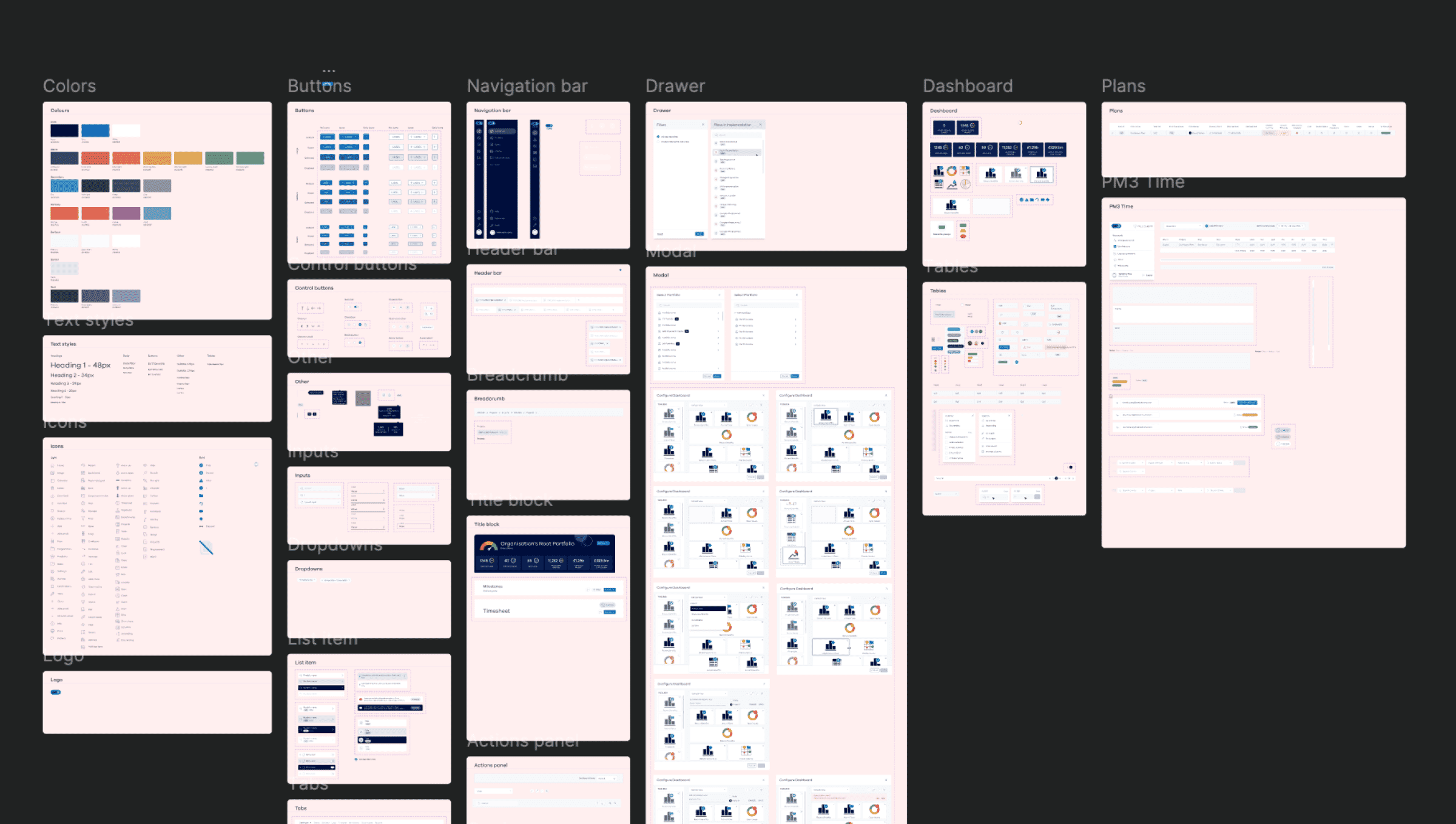
A design system is a framework for managing and reusing UI elements and UI components across digital products. It defines how a design file is structured, how elements are built, and how visual styles such as typography, grids, spacing, and colour styles are applied consistently across the user interface.

When properly set up, a design system allows designers to work methodically, ensuring that the work is scalable, consistent, and easy to maintain. It reduces duplication and helps enforce design guidelines that prevent time-consuming rework. At Full Clarity, we build design systems that align with UX design best practices and the findings of user research, ensuring that visual decisions are informed by real user needs rather than guesswork.

Tools like Figma have become central to creating design systems, with features such as pages, components, variants, and auto-layout. These allow teams to manage files in a way that supports both creativity and visual consistency across every screen.

Building blocks: Atomic design theory

The concept of atomic design, introduced by Brad Frost, is a widely adopted framework for structuring design systems. Inspired by chemistry, atomic design breaks down the interface into hierarchical levels:

  • Atoms are the smallest building blocks, such as icons, typography, or colour theory choices that define the mood and accessibility of the product.
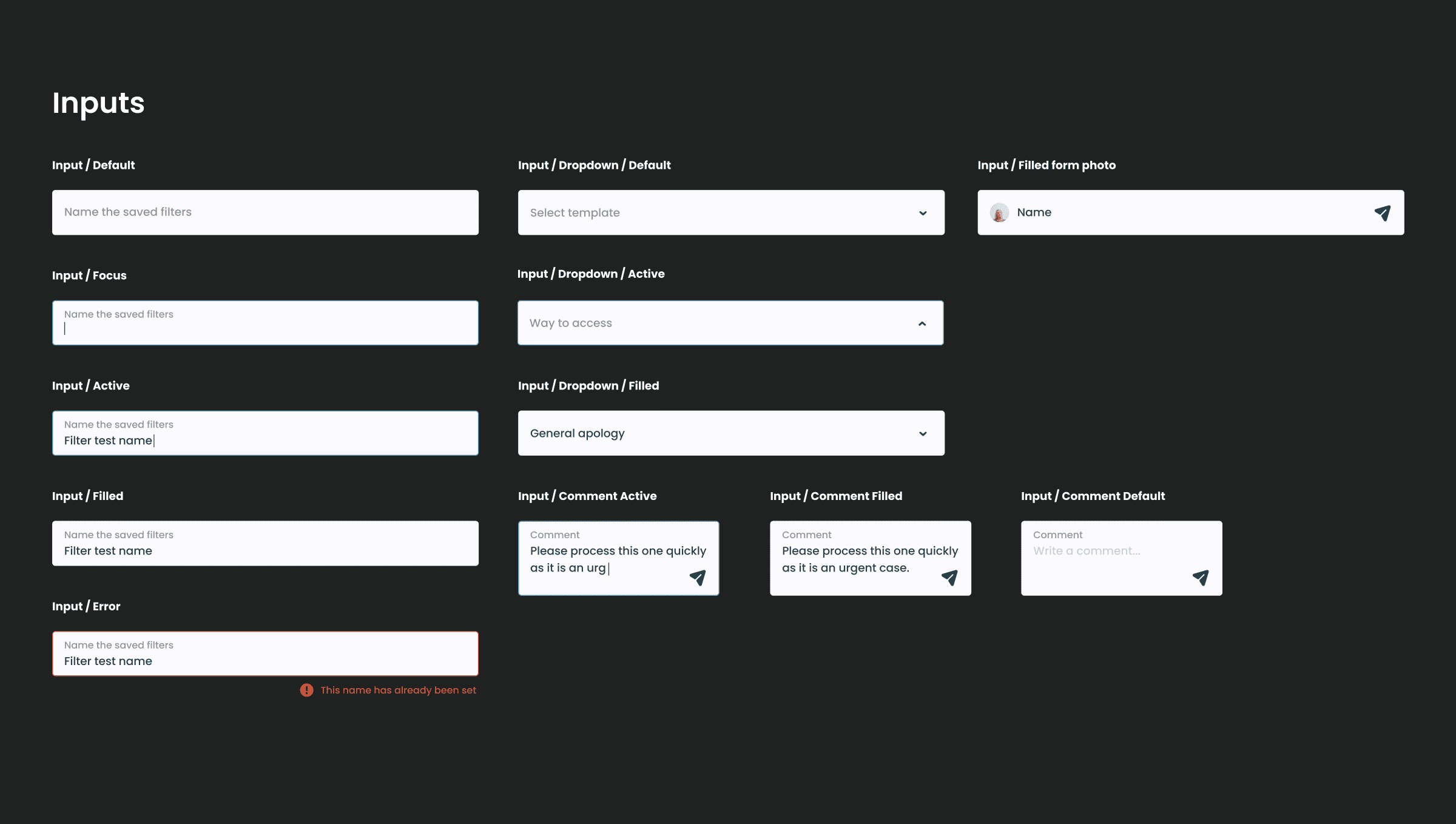
  • Molecules combine atoms into interactive UI components like buttons or input fields.
  • Organisms are groups of molecules, such as forms or navigation headers.
  • Templates and pages represent complete digital products, combining many organisms to create a full user interface.

This modular structure ensures that every element of a system can be reused, scaled, and evolved as the product grows.

A more iterative way of working

One of the main benefits of a design system is how it supports iteration and change. Updates made to a master component cascade across the system, instantly applying changes wherever that component appears.

This flexibility is particularly valuable in fast-moving projects. It allows product designers to act on feedback from user research, usability testing, or client workshops without introducing inconsistencies. It also ensures that design principles such as clarity, hierarchy, and accessibility remain intact even as the product evolves.

Designing with development in mind

A robust UI design system also considers the needs of developers. Each component is prepared for implementation by defining its component states, such as default, hover, active, disabled, error, or success. Rather than reinventing these each time, designers build them into the system so that every user interaction has been considered and clearly documented.

Frameworks like Material Design have popularised this practice, showing how a well-structured design system helps bridge the gap between design intent and code. This reduces bugs, improves efficiency, and ensures the final digital product matches the intended design.


Saved hours of work

Design systems significantly reduce the time spent recreating UI elements or correcting inconsistencies. With a clear style guide that includes visual styles, colour styles, and typography, teams can quickly explore new features or refine existing screens without breaking the overall structure.

This level of visual consistency not only improves workflows but also strengthens the brand experience for users. Combined with insights from user research, it ensures the system reflects both business goals and the reality of how people interact with digital products.


Typical outcomes include:

  • A reusable UI kit with structured components and states
  • A clear style guide covering typography, colour theory, and spacing
  • Defined design patterns and design principles that support scalability
  • Documented UI components prepared for every state and interaction
  • Faster collaboration between designers and developers
  • A more cohesive digital product with strong visual consistency
  • A system grounded in user research to reflect real user needs

By investing in a UI design system, teams save time, reduce risk, and build digital products that are both visually coherent and user-centred.


FAQs

What is the main benefit of using a UI design system?

A UI design system brings structure, clarity, and consistency to the design process. It enables teams to reuse components, iterate quickly, and ensure visual and functional consistency across the product. This results in faster workflows, fewer design inconsistencies, and a more seamless collaboration between designers and developers.


How does atomic design help with building a design system?

Atomic design provides a framework for breaking down the interface into reusable building blocks, starting from small elements (like colours or icons) and combining them into more complex components and full pages. This modular approach makes it easier to manage, update, and scale the design as the product grows.


Can a design system speed up development?

Yes. A well-prepared design system includes every state a component needs for development, reducing guesswork and back-and-forth between designers and developers. By delivering consistent, documented components, the design system helps developers build faster and ensures the final product closely matches the intended design.


Book a virtual coffee

Speak directly with our founders Ed and Jon about how we can help you on your Innovation or Transformation project.

Contact
Ed & Jon

Contact details

Find us

Cheyenne House
West Street
Farnham, Surrey
GU9 7EQ

Cheyenne House
West Street
Farnham, Surrey
GU9 7EQ

Contact form

Looking for a long term partner to support your business?

By browsing our website you agree to our cookie policy. You can opt-out anytime from our cookies page