Accessibility tests

Accessibility testing ensures that digital products are usable by everyone, including people with disabilities. It’s a structured process that evaluates how well a website or application meets recognised accessibility standards such as WCAG 2.1, while also considering real user experiences with assistive technologies. Thorough testing helps create more inclusive, usable, and effective products for all users.


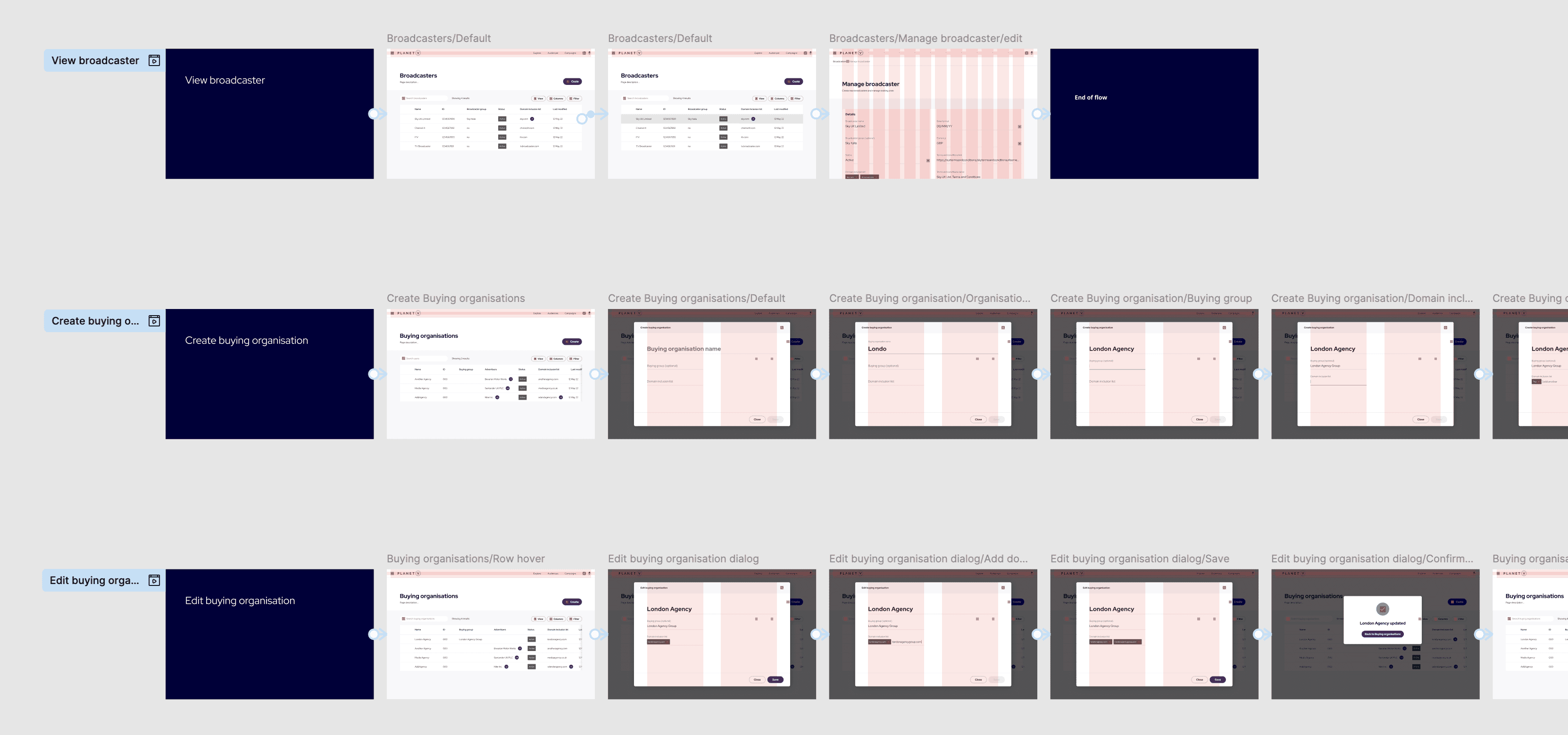
UX Prototypes at Full Clarity

Why accessibility matters

Digital accessibility is about building products that work for everyone. It expands audience reach, improves usability, and reflects a brand’s commitment to inclusion. For many organisations, accessibility testing is also a regulatory requirement (under standards such as the Equality Act 2010, Section 508, and the European Accessibility Act).

Products that ignore accessibility gaps can unintentionally exclude large groups of users, from those using screen readers or voice navigation to people with colour-vision deficiencies, motor impairments, or cognitive conditions. By embedding accessibility testing into the design and development process, organisations can identify and fix these issues early, resulting in more intuitive and equitable digital experiences.

At Full Clarity, we believe that inclusive design directly improves the experience for all users by encouraging clarity, simplicity, and thoughtful interaction patterns.
What accessibility tests involve

Accessibility testing services combine technical evaluation and expert human insight. Automated testing tools can scan a product and identify many issues, such as missing alt text or incorrect heading structures, but they only cover part of the picture. Manual expert review and user testing with assistive technologies fill in the gaps by assessing how people actually experience the interface.

Our process typically includes:

  • Automated scans to detect common code-level accessibility violations.
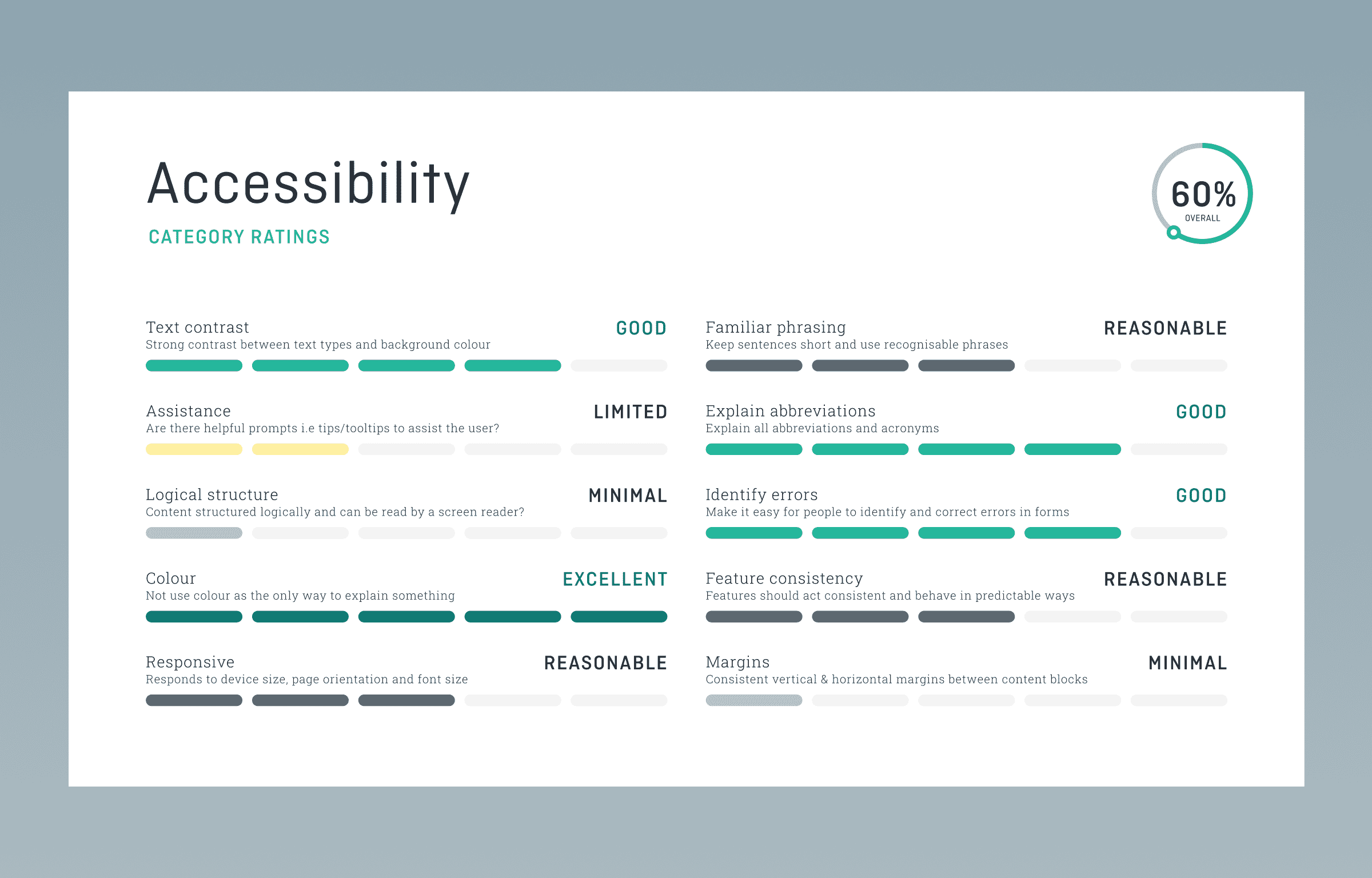
  • Manual inspection of structure, colour contrast ratios, keyboard navigation, and interactive components.
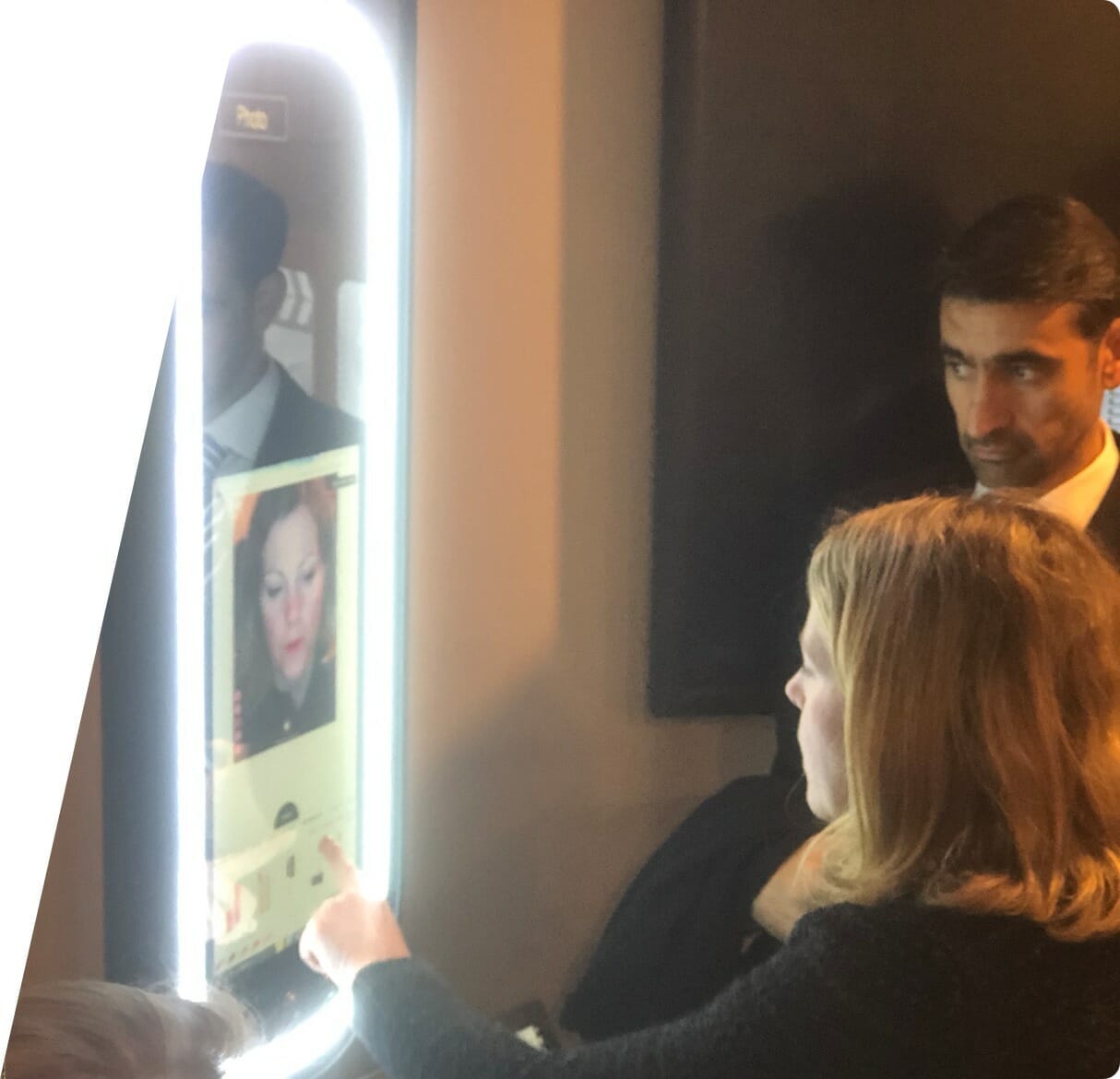
  • Assistive-technology testing, using screen readers such as JAWS, NVDA, and VoiceOver to simulate real use.
  • Device and browser testing to ensure a consistent experience across platforms and screen sizes.
  • Reporting and prioritisation, providing a clear summary of issues, their severity, and recommendations for remediation.

Each test is tailored to the product’s type and complexity, whether that’s a SaaS tool, a web application, or a digital product interface.


Our approach at Full Clarity

We integrate accessibility testing throughout the project lifecycle rather than leaving it until the end. Our goal is to build accessibility into the design and development process so that it becomes an ongoing standard rather than a reactive fix.

At the start of a project, we review wireframes and prototypes against accessibility guidelines to prevent issues before they arise. During development, we collaborate with technical teams to test components, UI states, and responsive layouts as they evolve. Once a product reaches release, we conduct a full accessibility audit that includes real-world testing with assistive technologies.

We also provide practical recommendations and prioritised action plans so that teams can address issues efficiently. Where needed, we work alongside developers to validate fixes and re-test updated versions. This ensures accessibility improvements are properly implemented and sustained over time.


Accessibility audit services for product designers

A continuous improvement process

As products grow and content changes, new accessibility challenges can emerge. That’s why we help teams establish internal processes for ongoing monitoring, such as periodic audits, automated test integration, and staff training.

We also encourage clients to view accessibility testing as part of a broader culture of inclusion. The principles behind accessible design overlap closely with those of good UX: clear navigation, meaningful structure, and intuitive interactions. Building accessibility into every stage supports better experiences for all users, not just those with disabilities.


Typical outcomes include:

  • A comprehensive accessibility audit report mapped against WCAG criteria
  • Clear, prioritised recommendations for issue resolution
  • Improved compliance with relevant legislation and standards
  • A smoother, more inclusive user experience across devices
  • Reduced long-term maintenance costs through early issue detection
  • Greater internal awareness and adoption of accessible design practices

FAQs

What standards do accessibility tests follow?

We test digital products against the Web Content Accessibility Guidelines (WCAG 2.1 AA) and, where applicable, regional laws such as the Equality Act 2010, Section 508, and the European Accessibility Act. These provide an internationally recognised framework for assessing accessibility across design, content, and development.

When should accessibility testing be carried out?

Accessibility testing is most effective when integrated throughout a project rather than applied at the end. We recommend running tests during design, before launch, and after significant updates to maintain compliance and user experience quality.


What’s included in an accessibility test report?

Our reports detail every accessibility issue identified, with severity ratings, visual examples, and clear guidance for remediation. They also include broader recommendations for improving inclusive design practices across your product.


Do you test with real users?

Yes. Alongside automated and manual testing, we can include usability sessions with users who rely on assistive technologies such as screen readers, voice navigation, or alternative input devices. This helps validate that the product works effectively in real-world conditions.


Book a virtual coffee

Speak directly with our founders Ed and Jon about how we can help you on your Innovation or Transformation project.

Contact
Ed & Jon

Contact details

Find us

Cheyenne House
West Street
Farnham, Surrey
GU9 7EQ

Cheyenne House
West Street
Farnham, Surrey
GU9 7EQ

Contact form

Looking for a long term partner to support your business?

By browsing our website you agree to our cookie policy. You can opt-out anytime from our cookies page