User testing services

User testing is the process of evaluating a product or service by gathering direct feedback from real users to assess its usability and effectiveness.

Harnessing user testing for optimal experiences

User testing sits at the heart of the design process. It provides evidence that a product is intuitive, engaging, and usable, by putting it in front of real users before development begins. Without user testing, issues can go unnoticed until much later, where they become costly to fix and frustrating for both users and businesses.

Running structured user testing allows design decisions to be validated, friction points to be removed, and improvements to be prioritised with confidence. It gives clear user insights on how people navigate, where they succeed, and where they struggle. Importantly, it ensures the product is not only functional, but also inclusive, accessible, and aligned with user expectations.

At Full Clarity, we design and facilitate testing sessions that uncover practical customer insights. We ensure participants are representative of your target users, guide them through realistic tasks, and capture their behaviours, reactions, and feedback. The results are then analysed and synthesised into recommendations, so you know exactly where to focus effort in the next design iteration.
A guide to user testing

A successful round of user testing begins with clear objectives. These can range from testing a specific feature, to observing an end-to-end user journey across the product. We work with you to define these goals upfront, breaking down the tasks that users will attempt and establishing the parameters for evaluation.

The type of test depends on the objective, the stage of design, and the resources available. Common user testing methods include:

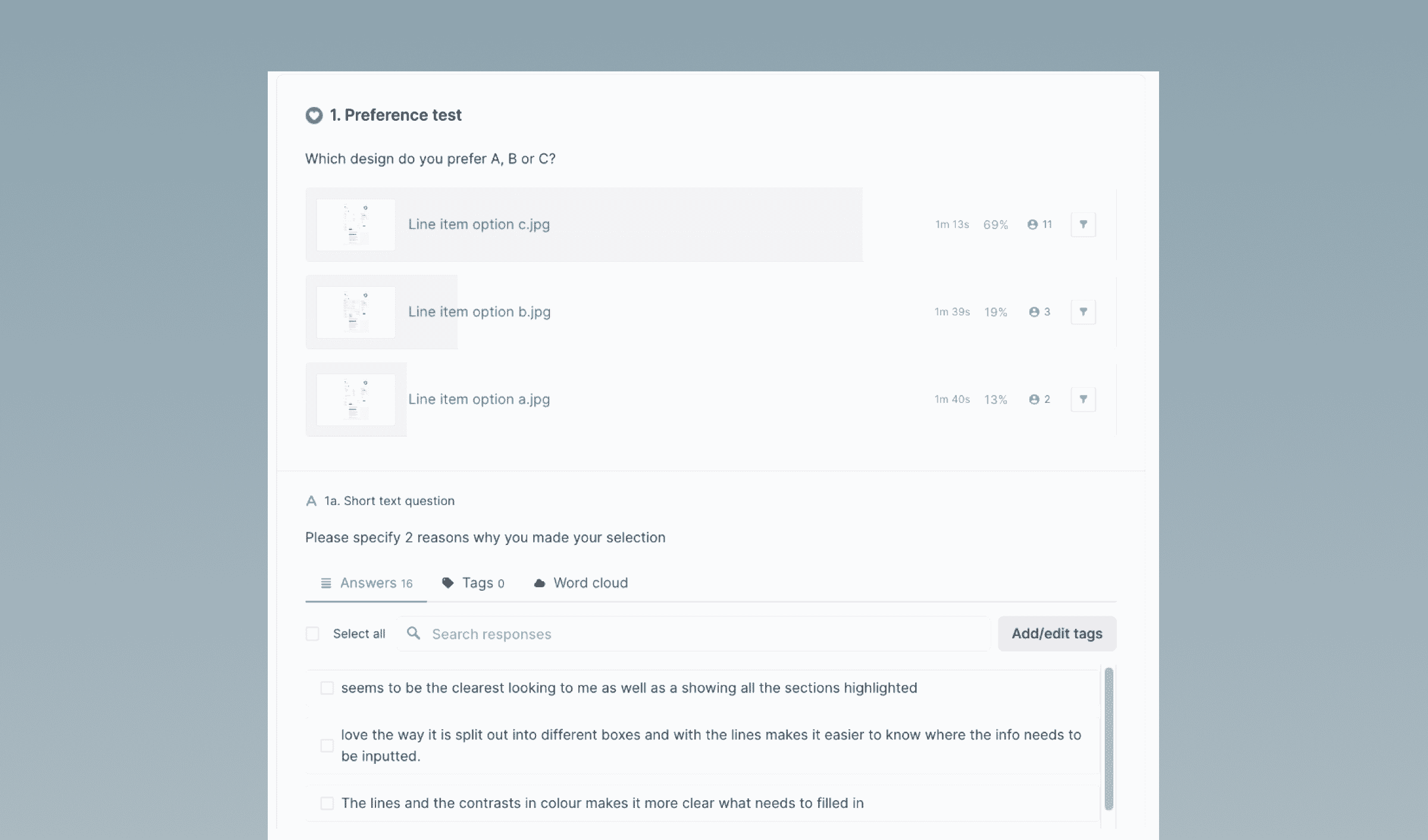
  • Remote and unsupervised: Unmoderated testing conducted online using specialist tools such as UserTesting, UserZoom, or UsabilityHub. Useful for quickly collecting feedback at scale.
  • Remote and supervised: Moderated testing run over video calls, where a facilitator guides the session and probes on specific questions, producing richer qualitative insights.
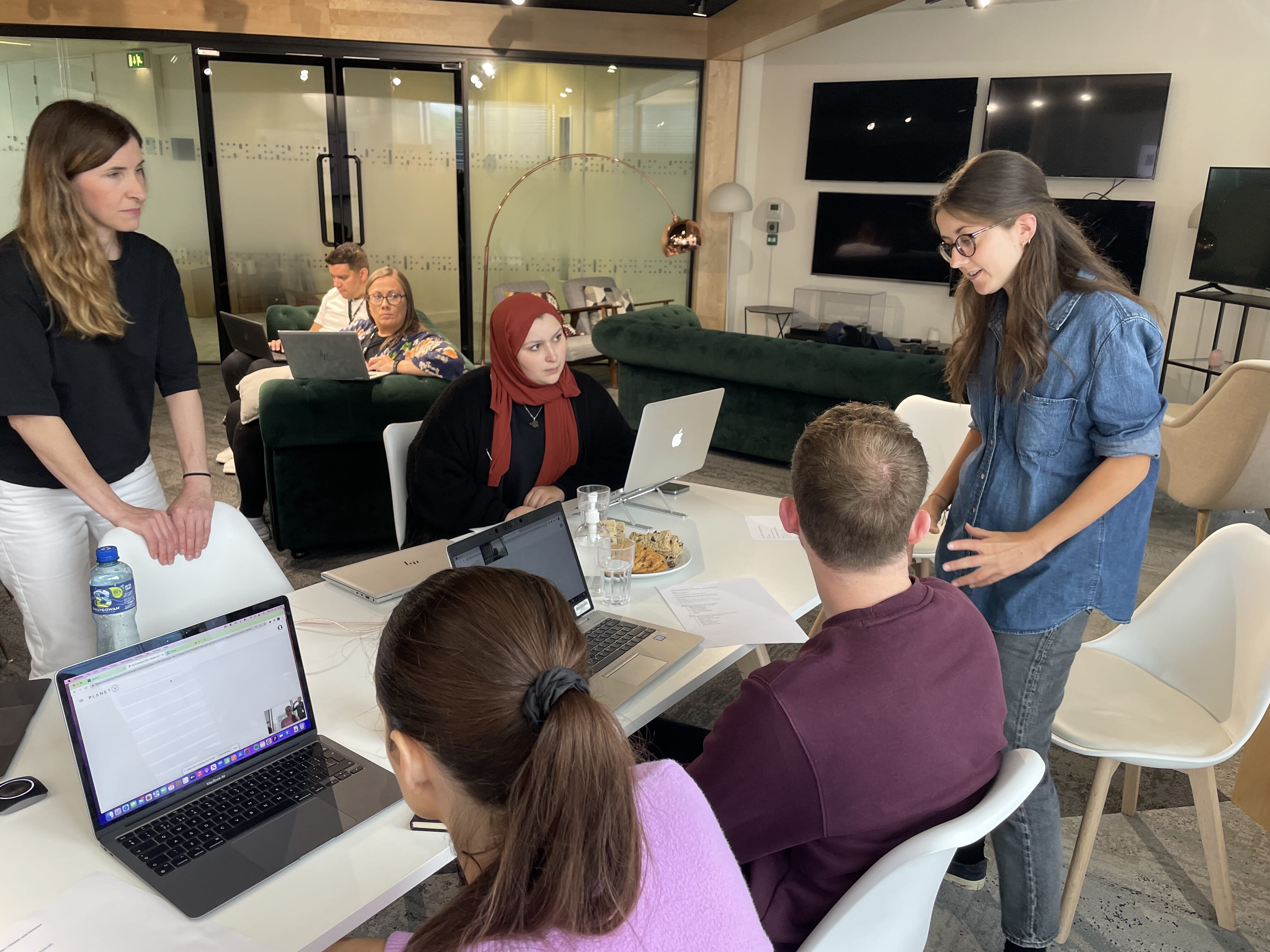
  • In-person testing: Facilitated in a shared setting, giving space to observe behaviours closely and validate both current platforms and prototype designs.

Selecting the right participants is critical. Where possible, we recruit people who reflect your actual customers or user base. In some cases, if the goal is purely to test usability, broader participants can be used to validate whether the design is intuitive regardless of prior knowledge.

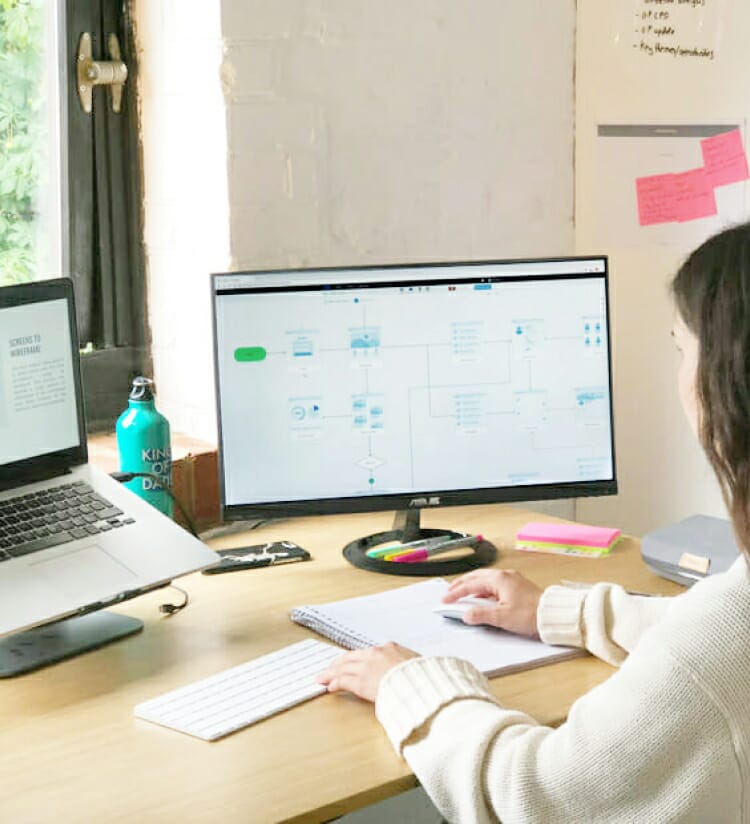
User research services in progress

Capturing and analysing findings

During the session, we capture actions, behaviours, and feedback in multiple ways. Observations can be logged by facilitators, recordings made of user sessions, and forms or questionnaires completed by participants to document their impressions.

Once sessions are complete, we analyse the findings to identify recurring pain points and bottlenecks. These are prioritised into quick wins and longer-term improvements, ensuring immediate issues can be addressed quickly, while larger structural changes are planned strategically.

By running this process before development, teams can avoid rework, reduce costs, and create products that meet user needs more reliably.

Typical outcomes include:

  • Validation of design decisions with evidence from real users
  • Early identification of usability issues before costly development begins
  • Clear prioritisation of quick wins versus longer-term improvements
  • Improved navigation, task completion rates and conversion rates
  • Increased confidence that the product is intuitive, inclusive, and user-friendly
  • Actionable recommendations for the next design iteration

FAQs

What is the purpose of user testing before development?

Pre-release user testing ensures designs are validated by real users before any code is written. This helps identify usability issues early, reducing the risk of costly rework later in the process.

How do you select participants for user testing?

We recruit participants who closely reflect your target customers. This ensures feedback is representative and relevant. For usability-focused tests, we can also include broader participants to check if designs are intuitive for first-time users.

What methods of user testing do you use?

We run a mix of remote, in-person, moderated, and unmoderated sessions depending on your goals, across a range of session types, from workshops to focus groups. Prototypes, journeys, or features can all be tested to validate navigation, usability, and overall user experience.

What will I get at the end of a user testing phase?

You’ll receive a clear set of findings highlighting pain points, successes, and opportunities. These are prioritised into quick wins and long-term improvements, along with actionable recommendations for the next design iteration.


Book a virtual coffee

Speak directly with our founders Ed and Jon about how we can help you on your Innovation or Transformation project.

Contact
Ed & Jon

Contact details

Find us

Cheyenne House
West Street
Farnham, Surrey
GU9 7EQ

Cheyenne House
West Street
Farnham, Surrey
GU9 7EQ

Contact form

Looking for a long term partner to support your business?

By browsing our website you agree to our cookie policy. You can opt-out anytime from our cookies page