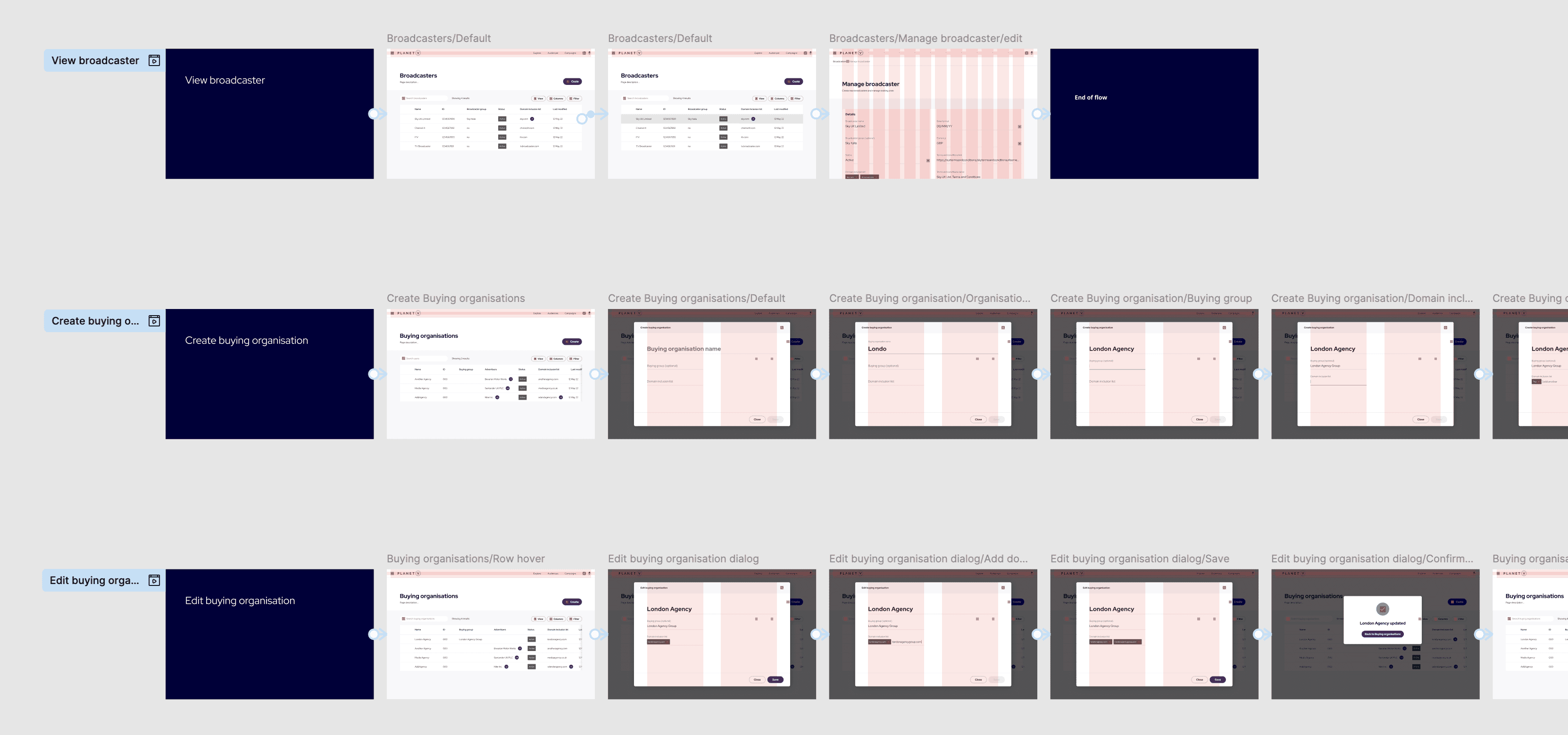
Interaction testing services

Interaction testing focuses on understanding how users engage with a product’s interface in practice. It assesses whether interactions behave as intended, whether visual feedback is clear, and whether users can complete tasks confidently and efficiently. By testing real interactions, teams can identify friction points early, validate design decisions, and improve overall usability.

UX Prototypes at Full Clarity

What is interaction testing

Interaction testing evaluates the quality and reliability of interactive elements within a digital product. It goes beyond standard usability testing by looking closely at how individual interface components behave during real use. This includes checking that actions trigger the correct responses, that transitions are smooth, and that users always understand what is happening on screen.

Even small interaction issues can affect the user experience. A button that lags or a field that fails to confirm input can reduce trust and increase errors. Testing these interactions systematically helps ensure that every touchpoint supports clarity and confidence.

Our approach to interaction testing

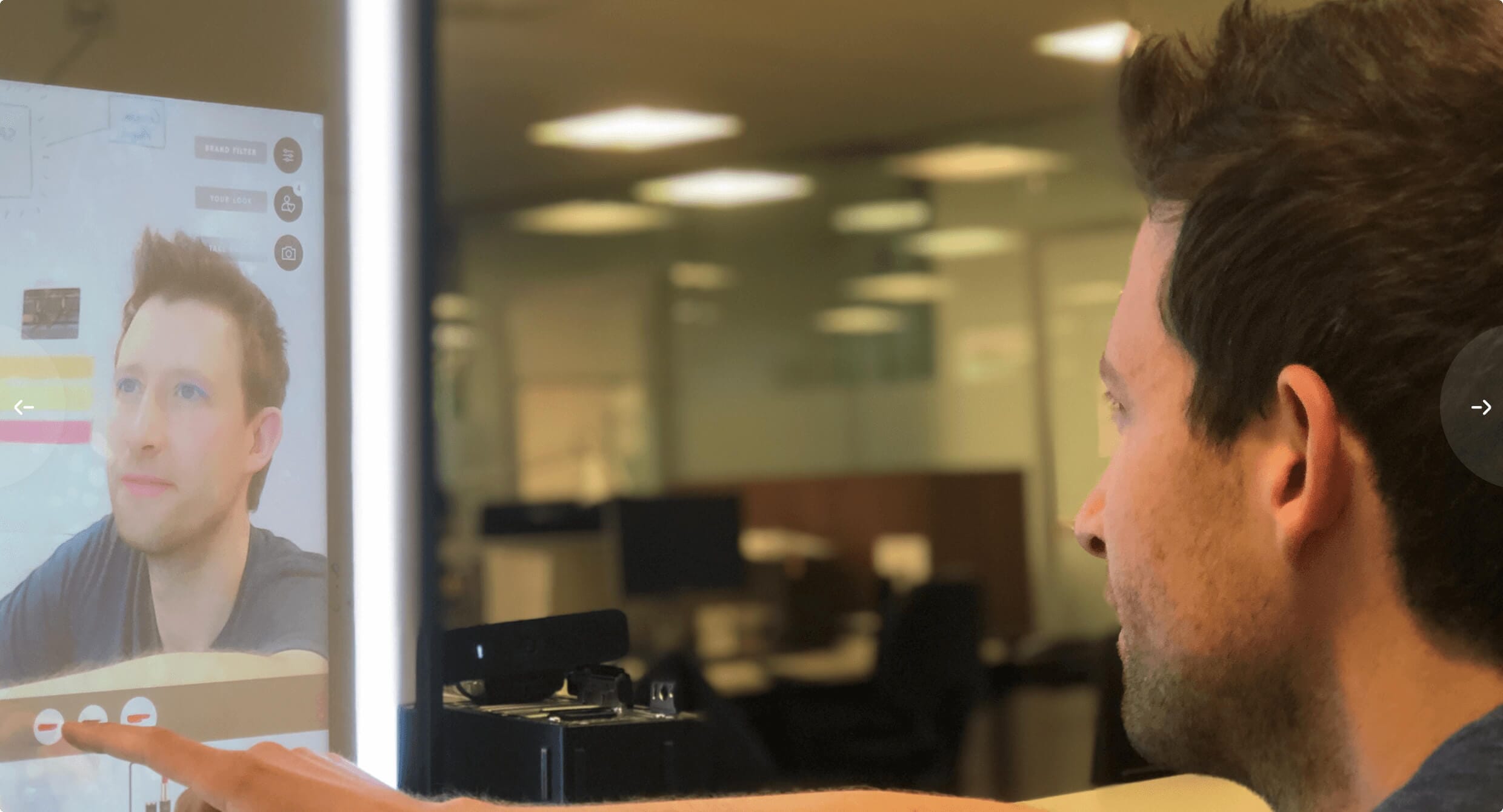
At Full Clarity, we follow a structured and evidence-led approach. Every round of testing starts with a clear objective. We define the user flows or components to be evaluated, prepare realistic prototypes or test environments, and recruit participants that reflect target user groups or accessibility profiles.

During testing, we observe how users respond to interactive elements such as buttons, animations, or error messages. We note physical actions like clicks and taps, as well as qualitative cues such as hesitation, frustration, or delight. Each observation is documented for later analysis, ensuring that insights are based on real data rather than assumptions.

After each session, findings are synthesised into practical recommendations. These often include adjustments to timing, layout, or interaction feedback. By testing and refining incrementally, we help clients build confidence that the product performs reliably and supports its intended goals.

What we test

Interaction testing covers a wide range of components and behaviours:

  • Navigation and user journeys, verifying that menus, links, and buttons work intuitively.
  • Micro-interactions such as input fields, toggles, sliders, and form validation.
  • Visual feedback and motion design, ensuring animations clarify rather than distract.
  • Accessibility interactions including keyboard focus, screen reader compatibility, and touch targets.
  • Responsive performance across browsers and devices, confirming consistent behaviour in varied contexts.
  • Error and success states, validating that the system communicates effectively and supports recovery.

These tests reveal how the interface behaves under real use, helping ensure that design intent translates accurately into user experience.

Interpreting and applying results

Interaction testing is most valuable when it feeds directly into iteration. We analyse both qualitative and quantitative data to understand not only what went wrong, but why. Recommendations are prioritised by impact, effort, and relevance to business objectives, helping teams act on the results efficiently.

Over time, repeated testing rounds can inform design systems and component libraries. By documenting what works and what doesn’t, teams can apply lessons consistently across projects. This contributes to greater stability, visual consistency, and faster delivery cycles.

Typical outcomes include

  • Reliable, predictable interface behaviour across devices and browsers
  • Reduced usability and accessibility issues identified before release
  • Clearer communication between users and the product through consistent feedback
  • Fewer post-launch bugs and less rework for development teams
  • Improved collaboration between UX, design, and QA disciplines
  • Stronger user trust and higher satisfaction scores

FAQs

What is interaction testing in UX design?

Interaction testing examines how users engage with an interface at a detailed level. It focuses on verifying that buttons, forms, animations, and other interactive elements behave correctly and provide clear feedback throughout a journey.

How does interaction testing differ from usability testing?

Usability testing looks at the overall ability of users to complete tasks, while interaction testing focuses on the fine details that make those tasks work smoothly. It validates individual interactions, transitions, and feedback responses that influence user confidence and product reliability.


When should interaction testing take place in a project?

Interaction testing is most effective once high-fidelity prototypes or early development builds are ready. Conducting tests at this stage helps teams catch design and behavioural issues before launch, reducing rework and ensuring a consistent user experience.


Book a virtual coffee

Speak directly with our founders Ed and Jon about how we can help you on your Innovation or Transformation project.

Contact
Ed & Jon

Contact details

Find us

Cheyenne House
West Street
Farnham, Surrey
GU9 7EQ

Cheyenne House
West Street
Farnham, Surrey
GU9 7EQ

Contact form

Looking for a long term partner to support your business?

By browsing our website you agree to our cookie policy. You can opt-out anytime from our cookies page