Integration support: SPAs and micro-frontends

Modern web applications evolve in different ways. Some are built from the ground up as Single Page Applications (SPAs), while others grow gradually, integrating modern frontend frameworks into existing systems. Choosing the right integration approach depends on the product’s current architecture, long-term goals, and appetite for change. At Full Clarity, we support organisations in implementing SPAs, integrating micro-frontends, or using a staged approach that bridges both models.

Understanding single page applications

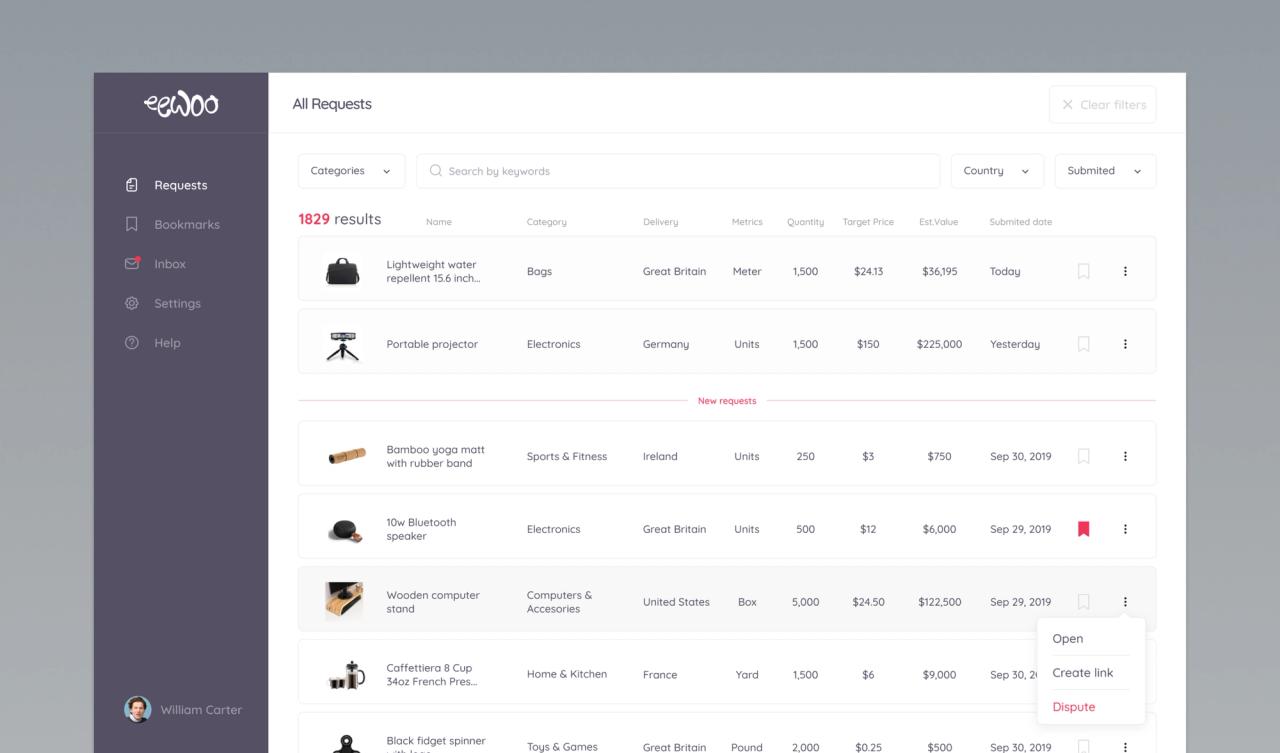
A Single Page Application is built entirely using a modern JavaScript framework such as React. In this model, the frontend application handles routing, state management, API communication, and user interface rendering within a unified structure.

This approach allows for highly interactive experiences, smoother navigation, and more consistent state handling across complex workflows. Because the application logic sits within a structured framework, teams can implement shared components, predictable data flows, and reusable patterns at scale.

SPAs are often well suited to products with rich user interactions, complex dashboards, or evolving feature sets. They provide a strong foundation for long-term growth, particularly when supported by a clear design system and frontend architecture.
Integrating micro-frontends into existing systems

Not every organisation is in a position to rebuild an entire application as a SPA. In many cases, products have an established backend framework or legacy frontend structure that cannot be replaced immediately.

Micro-frontends offer an alternative path. Rather than rebuilding the entire system, specific sections of an application can be enhanced using modern frameworks. This might involve embedding small React components within existing pages, replacing a single panel with dynamic content, or rebuilding the contents of a specific route using a JavaScript framework.

This incremental approach allows teams to introduce modern frontend capabilities without large-scale disruption. It provides many of the benefits of component-based development, improved state handling, and reusable UI patterns, while preserving the surrounding system.

Transitioning from micro-frontends to a full SPA

In some cases, micro-frontends form part of a longer-term transition strategy. Organisations may begin by enhancing high-impact areas of the product using isolated React components. Over time, as more functionality is migrated, these components can be consolidated into a cohesive Single Page Application.

This staged approach reduces risk. It allows teams to validate architectural decisions, modernise workflows gradually, and build internal confidence with new technologies before committing to a full SPA migration. When the time is right, the existing micro-frontends can be unified into a single application structure, providing architectural consistency without a disruptive rebuild.

Choosing the right approach

The decision between a SPA and micro-frontend integration is rarely binary. It depends on the maturity of the existing system, the scale of the product, and the long-term product roadmap.

A SPA may be appropriate when building a new product from scratch or when undertaking a significant replatforming effort. Micro-frontends may be preferable when enhancing specific parts of an established application or when delivery timelines require incremental change.

At Full Clarity, we help organisations evaluate their current architecture and define a realistic integration path. This includes assessing routing structures, API layers, state management patterns, and how UI components interact with the broader system.

How Full Clarity support integration work

Full Clarity collaborate with engineering and product teams to design integration strategies that align with business goals and technical constraints. We support SPA implementation, micro-frontend embedding, and transitional architectures that evolve over time.

Our focus is on maintainability and clarity. Whether building a unified SPA or integrating isolated frontend modules, we aim to create predictable structures that reduce technical debt and support consistent user experiences.

By approaching frontend integration as part of broader UX and delivery alignment work, Full Clarity help organisations modernise their applications in a way that is controlled, scalable, and aligned with long-term product strategy.

Typical outcomes include

  • Clear architectural direction for SPA or micro-frontend adoption
  • Incremental modernisation without full-system disruption
  • Improved frontend consistency and component reuse
  • Reduced friction when introducing new features
  • A defined path toward long-term architectural alignment
  • Greater confidence when planning replatforming or migration work

FAQs

What is the difference between a SPA and a micro-frontend?

A Single Page Application is a fully unified frontend built in a framework such as React, handling routing, state management, API communication, and UI rendering within one structured application. A micro-frontend approach embeds smaller, framework-based components into an existing system, allowing incremental modernisation without rebuilding the entire product.

When should we choose a SPA?

A SPA is often suitable when building a new product, undertaking a major replatforming effort, or when the application requires complex interactions and shared state across multiple workflows. It provides architectural consistency and a strong foundation for long-term growth.

When are micro-frontends more appropriate?

Micro-frontends are useful when enhancing an established application that cannot be rebuilt immediately. They allow teams to introduce modern frontend capabilities gradually, targeting specific pages or components without disrupting the wider system.

Can micro-frontends later become a full SPA?

Yes. Micro-frontends can be used as part of a transition strategy. Over time, individual components can be consolidated into a unified SPA when the organisation is ready, reducing migration risk and spreading effort across delivery cycles.

Book a virtual coffee

Speak directly with our founders Ed and Jon about how we can help you on your Innovation or Transformation project.

Contact
Ed & Jon

Contact details

Find us

Cheyenne House
West Street
Farnham, Surrey
GU9 7EQ

Cheyenne House
West Street
Farnham, Surrey
GU9 7EQ

Contact form

Looking for a long term partner to support your business?

By browsing our website you agree to our cookie policy. You can opt-out anytime from our cookies page