Technical specification

A technical specification document defines how a digital product will be built. It translates design requirements and business goals into clear technical standards, giving development teams the structure they need to deliver with confidence. It also ensures that everyone involved shares a consistent understanding of the scope, dependencies, and expectations.

Why technical specifications matter

Without a clear specification, software development can quickly drift off course. Ambiguity leads to rework, delays, and misaligned expectations between design and development.

A strong technical spec acts as the bridge between user experience, business objectives, and technical implementation. It outlines exactly how the system will function, what it will depend on, and how it will meet both functional requirements and performance requirements.

For product teams, it brings structure and traceability to decisions. For developers, it provides a single source of truth for system behaviour, integration points, and testing criteria. With a well-defined specification in place, everyone knows what needs to be delivered and how success will be measured.

What a technical specification includes

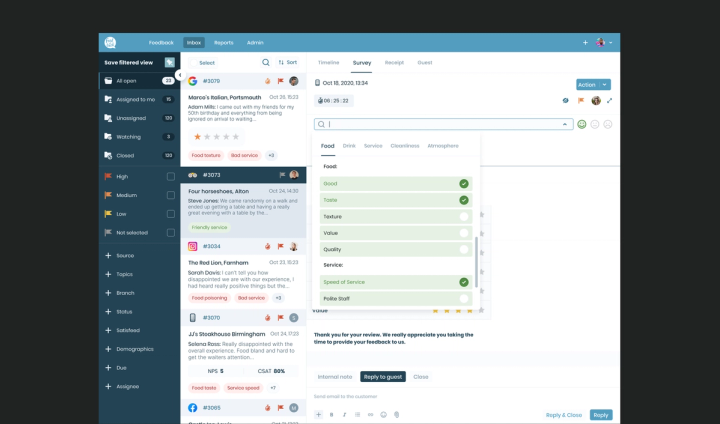
Each tech specification we produce is tailored to the project’s complexity, technology stack, and user interface design requirements. It combines structured documentation with visual diagrams, ensuring technical clarity while remaining accessible to all stakeholders.

Typical inclusions are:

  • Context and goals: drawn from the product requirements document (PRD), defining why the feature or system exists.
  • Scope and assumptions: what is included in the release roadmap and what sits outside of it.
  • System overview: a clear view of the software architecture, including data flows, services, and dependencies.
  • Functional and non-functional requirements: describing both what the system does and how well it must perform.
  • Data model: entity relationships, storage rules, and naming conventions.
  • Integration and deployment details: how the system connects to CI/CD pipelines and configuration environments.
  • Test plan and acceptance criteria: outlining measurable steps for verifying that each feature meets its goals.
  • Risk and constraints: identifying dependencies, compliance needs, and technical trade-offs.

This combination of technical and design documentation supports developers, QA engineers, and technical writers by providing the structure needed for consistent delivery.

Our approach

At Full Clarity, we develop every technical specification in close collaboration with the wider product team. Once discovery and design phases are complete, we bring together UX designers, engineers, and project managers to define exactly how the system will be built.

Our process includes:

  1. Workshop and alignment: confirming priorities, dependencies, and business goals before drafting begins.
  2. Drafting the specification: turning wireframes, user flows, and design assets into detailed engineering documentation.
  3. Review and validation: engineers and project leads review for feasibility, security, and clarity.
  4. Sign-off and versioning: the specification is maintained as a living document within version control or shared documentation platforms.
  5. Maintenance and iteration: as new features or market trends emerge, the specification evolves to remain current and relevant.

This process ensures a consistent rhythm between discovery, design, and development, reducing rework and keeping teams focused on shared outcomes.

Designing for development

A robust specification sits at the intersection of design and engineering. It takes insights from user research, UI design, and accessibility considerations, and translates them into a form that developers can act on.

By aligning design systems and component libraries with programming languages and frameworks, we ensure that the transition from prototype to code is smooth and predictable.

Developers gain the clarity they need to implement accurately. Designers gain confidence that their intent is understood. Product managers benefit from measurable progress against defined business goals and user experience outcomes.

Typical outcomes include

  • A version-controlled technical specification document aligned with product and business objectives
  • Clearly defined functional and non-functional requirements
  • Accurate architecture diagrams and data models
  • Documented API and software design details to support integration
  • Reduced ambiguity during software development and QA
  • Improved communication between product managers, UX designers, and engineers
  • A reusable framework for future releases and scaling

FAQs

What is a technical specification document?

A technical specification document defines how a digital product will be built, outlining its software architecture, design requirements, and functional requirements. It acts as a single source of truth for developers, designers, and product managers, ensuring clarity and alignment throughout software development.

How does a technical specification differ from a software design document?

While both describe how a product will be developed, a technical specification focuses on implementation detail: APIs, integrations, and technical standards, whereas a software design document may emphasise higher-level user interface design or system behaviour. At Full Clarity, we combine both perspectives to bridge design and engineering effectively.


Who contributes to creating the technical spec?

Typically, the specification is written collaboratively by the product team, including UX designers, project managers, and software engineers. Technical writers may also contribute to documentation quality, ensuring consistency in terminology and format across the project lifecycle.


Why is defining functional and non-functional requirements important?

Functional requirements describe what the system must do, while non-functional requirements specify how it must perform under real conditions. Together they ensure that the final product meets both business goals and performance requirements such as reliability, scalability, and accessibility.


Book a virtual coffee

Speak directly with our founders Ed and Jon about how we can help you on your Innovation or Transformation project.

Contact
Ed & Jon

Contact details

Find us

Cheyenne House
West Street
Farnham, Surrey
GU9 7EQ

Cheyenne House
West Street
Farnham, Surrey
GU9 7EQ

Contact form

Looking for a long term partner to support your business?

By browsing our website you agree to our cookie policy. You can opt-out anytime from our cookies page