User testing services

During product optimisation, user testing helps gather customer feedback from real users to assess usability, highlight issues, and improve the overall experience of a live product.

User testing services

Fine-tuning towards perfection

Once a product has been released, user testing becomes a vital way to keep it relevant, effective, and enjoyable. User needs can shift quickly as markets evolve, features are added, or expectations change. Without regular testing, even strong products can start to feel outdated, leading to drops in engagement and customer satisfaction. Post-release user testing provides an opportunity to spot these changes early and adapt before they turn into bigger problems.

The benefits of this stage include:

  • Usability issues: pinpoint specific usability problems that emerge once a product is in regular use.
  • User experience improvement: refine the experience based on how users navigate the product in real-world scenarios.
  • Validation of design decisions: confirm whether the design still meets expectations after release.
  • Bottlenecks and frictions: uncover areas of friction in the user journey and streamline task completion.
  • Accessibility and inclusivity: identify new accessibility issues that may have gone unnoticed pre-release.
  • Error identification: highlight bugs and technical flaws that impact satisfaction.
  • Early issue detection: find problems before they affect large user groups or become costly to fix.


User testing strategies for product optimisation

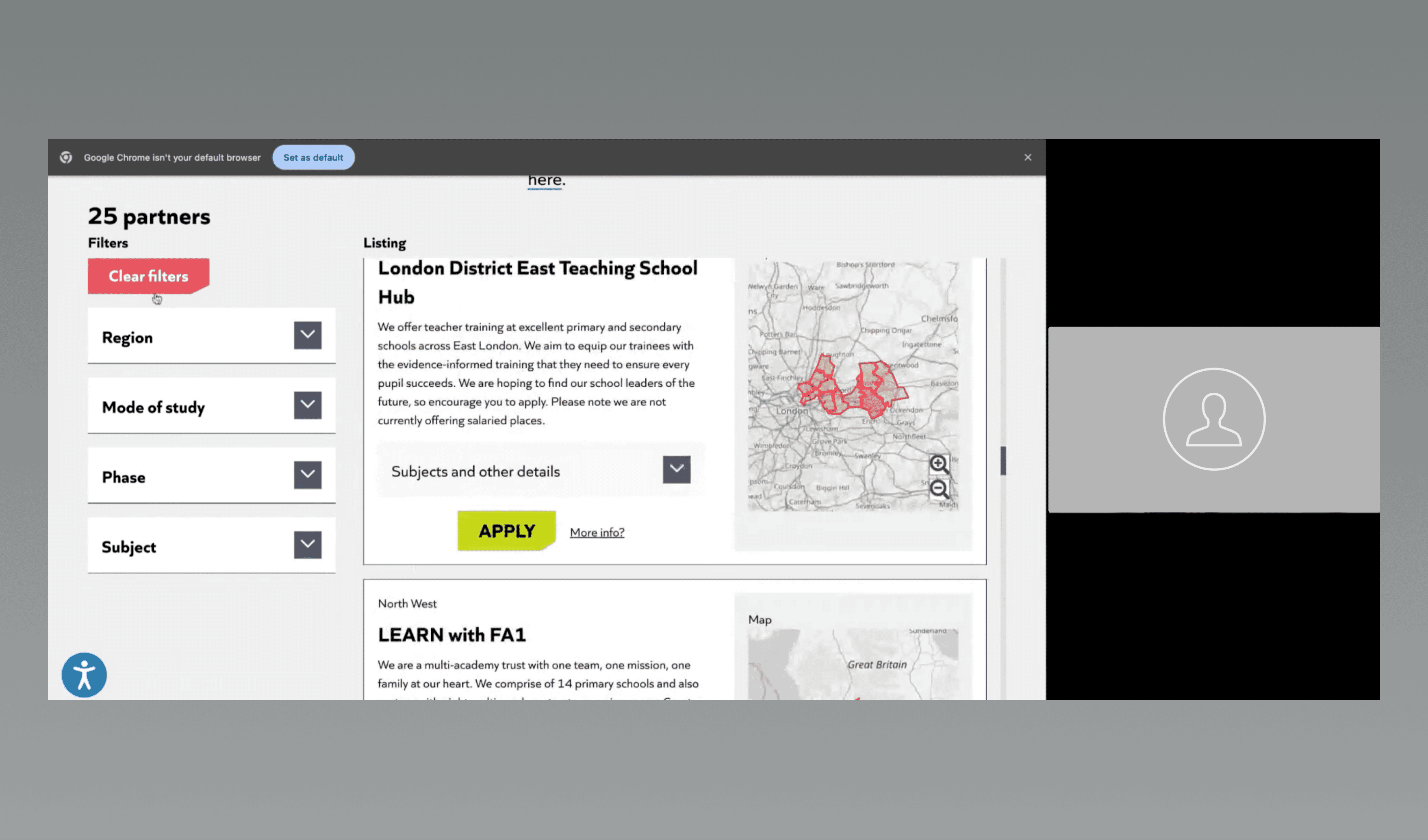
The aim of post-release user testing is to evaluate how well a product holds up once it is being used at scale. Testing can be focused on a single new feature, or on a broader journey through the whole product. Breaking down tasks and flows helps create clear parameters to measure against.

We draw on a range of approaches depending on the goal and available resources:

  • Remote and unsupervised: unmoderated testing using specialist tools, ideal for large numbers of participants.
  • Remote and supervised: moderated testing sessions via video call, which provide structured feedback in a controlled setting.
  • First-time users: testing how new users interact with the product for the first time, highlighting onboarding issues.
  • In-person: facilitated sessions that allow richer observation and discussion, especially useful for validating more complex interactions (could include focus groups, workshops, card sorting sessions, interviews and more.)

Participants can include existing customers to understand how they engage with updates, or new users to identify onboarding barriers. In both cases, the goal is to ground improvements in evidence.

Capturing and prioritising user insights

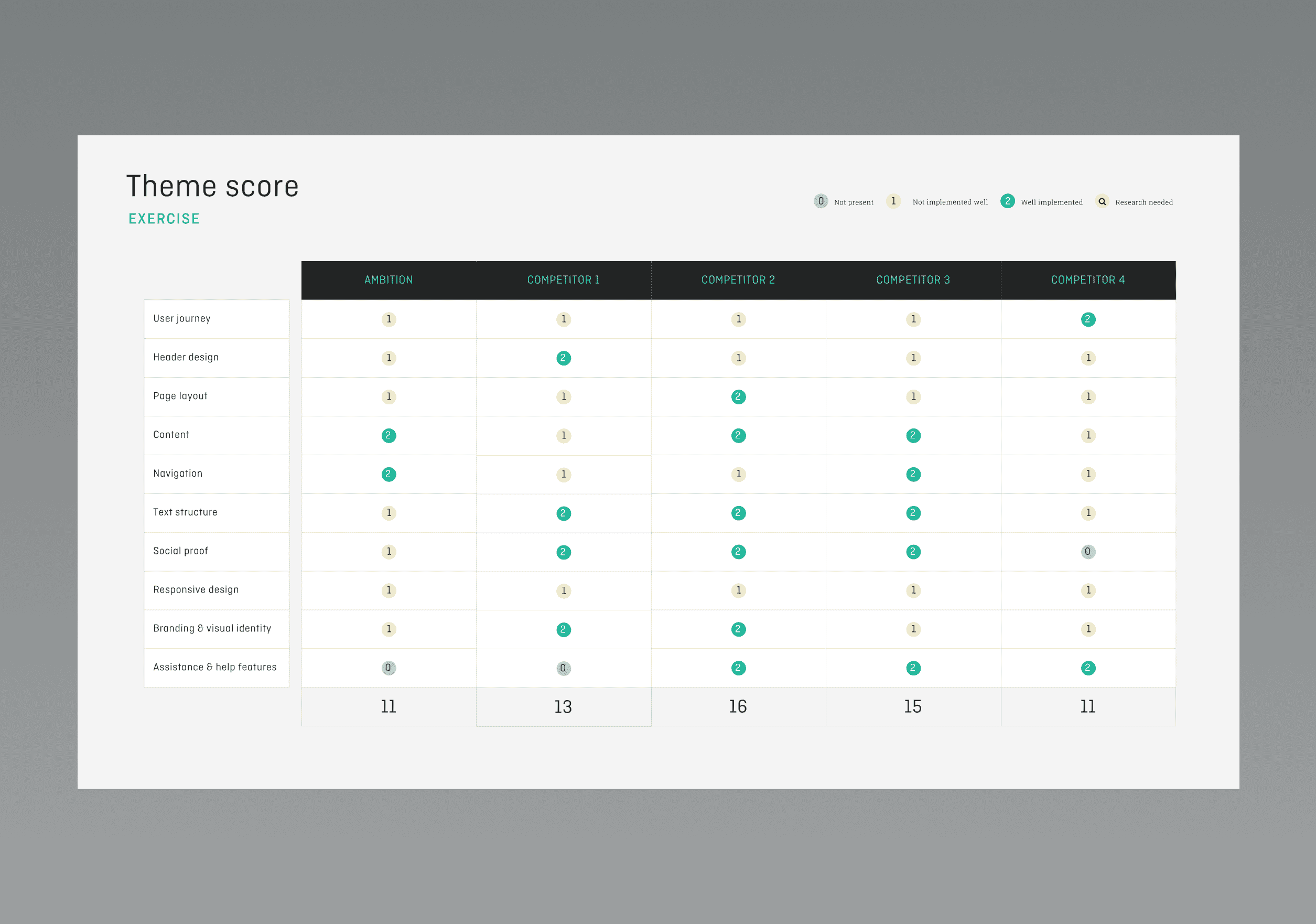
Recording and analysing findings is an essential part of the process. This can be done through facilitator notes, screen recordings, post-session surveys, or questionnaires. Once the data is gathered, we analyse recurring pain points, prioritise quick wins, and highlight longer-term improvements. This allows teams to resolve the most pressing issues while also shaping a roadmap for continuous optimisation.


User research services in progress

From feedback to refinement

The outcome of post-release user testing is not just a list of problems, but a set of actionable solutions. We help translate customer insights into design updates that can be implemented quickly and effectively. These refinements ensure that the product continues to meet business goals while keeping users satisfied.

Testing at this stage also builds trust with stakeholders, showing that decisions are grounded in evidence from real users rather than assumptions. It reduces the risk of expensive rework further down the line and increases confidence in the long-term direction of the product.


Typical outcomes include:

  • Improved task flows and navigation based on real-world behaviour
  • Faster resolution of usability issues raised after launch
  • Clear prioritisation of quick fixes versus long-term improvements
  • Stronger stakeholder alignment around post-release improvements
  • Reduced risk of churn due to outdated or frustrating features, improved conversion rates
  • A structured roadmap for future optimisation grounded in evidence

FAQs

What is the purpose of post-release user testing?

Post-release user testing ensures your product continues to meet user needs once it is live. It identifies usability issues, validates design decisions, and highlights opportunities to refine the user experience.

How is post-release testing different from pre-release testing?

Pre-release testing focuses on validating prototypes and early designs before development. Post-release testing looks at how real users interact with the live product, uncovering issues that only emerge under real-world conditions.

Who should take part in post-release user testing?

Participants often include existing customers to see how they engage with updates, and new users to test onboarding flows. Including both helps cover the full customer journey.


What are the typical outcomes of post-release user testing?

Outcomes include smoother task flows, improved navigation, faster issue resolution, and a roadmap of refinements that increase satisfaction and reduce churn.


Book a virtual coffee

Speak directly with our founders Ed and Jon about how we can help you on your Innovation or Transformation project.

Contact
Ed & Jon

Contact details

Find us

Cheyenne House
West Street
Farnham, Surrey
GU9 7EQ

Cheyenne House
West Street
Farnham, Surrey
GU9 7EQ

Contact form

Looking for a long term partner to support your business?

By browsing our website you agree to our cookie policy. You can opt-out anytime from our cookies page