Ideation workshop

An ideation workshop is a collaborative session that encourages participants to generate creative ideas and solutions for a specific problem or challenge.

Service design workshop

Exploring a variety of concepts

Instead of jumping straight into wireframing or detailed design, we often begin with an ideation workshop to explore multiple concepts before committing to one. This creates space to consider a broad range of options and avoids narrowing in too quickly on a single idea. By opening up possibilities, better and more applicable ideas can surface that might otherwise be overlooked.

Ideation workshops are a vital part of the design process because they bring structure to creativity. They provide an environment where new ideas can be generated quickly, where participants feel free to share openly, and where diverse perspectives are brought together. With contributions from stakeholders with different expertise, the outcome is a wider range of insights and solutions.

These sessions also support faster decision-making. By generating and discussing multiple ideas in a single workshop, teams are able to evaluate options side by side and reach consensus on the most promising directions. This reduces the risk of wasted effort later and ensures that design decisions are grounded in collective input. Ideation workshops are time-efficient too, accelerating the innovation process by allowing teams to test and refine ideas at pace.
Ideation workshop techniques

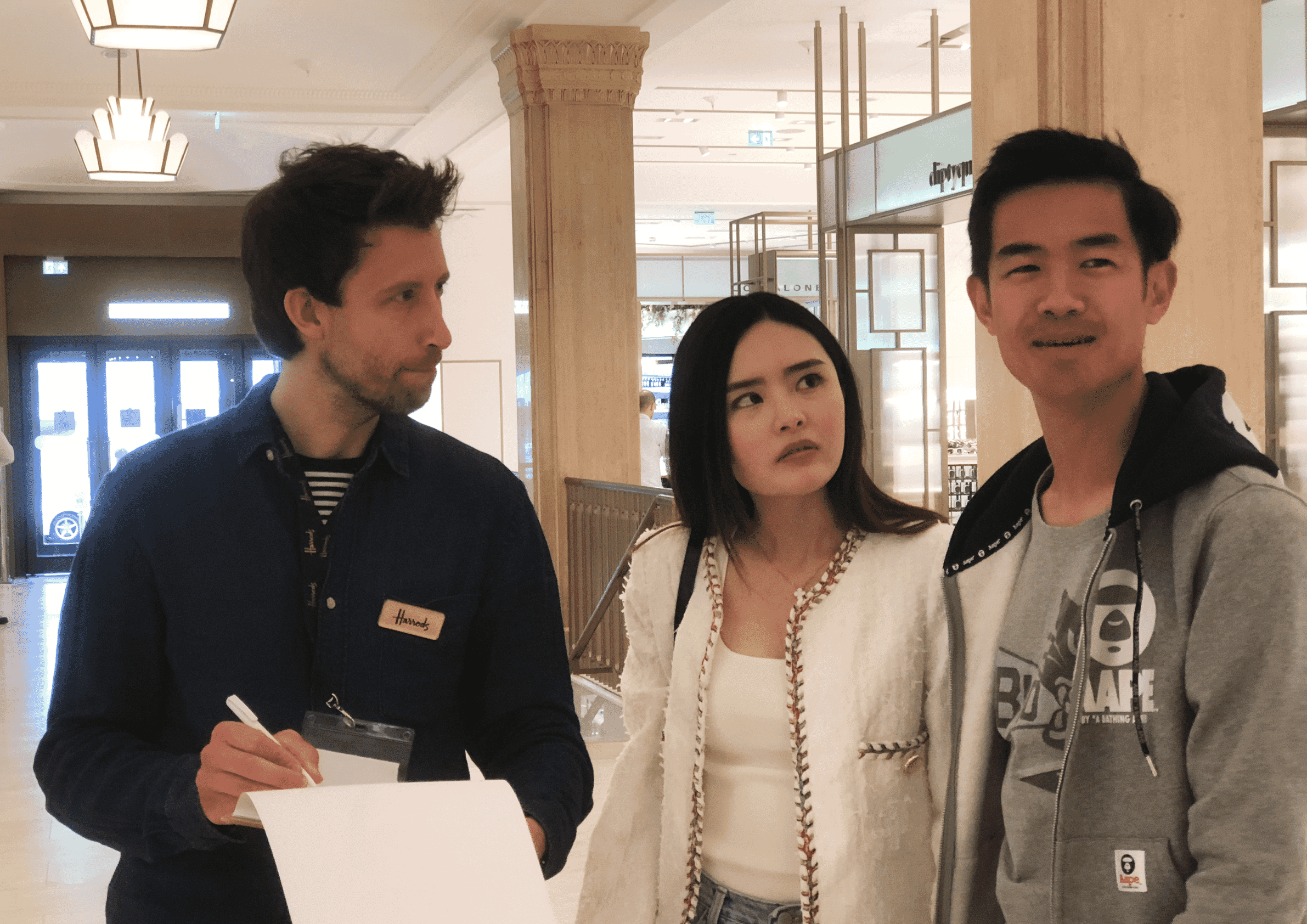
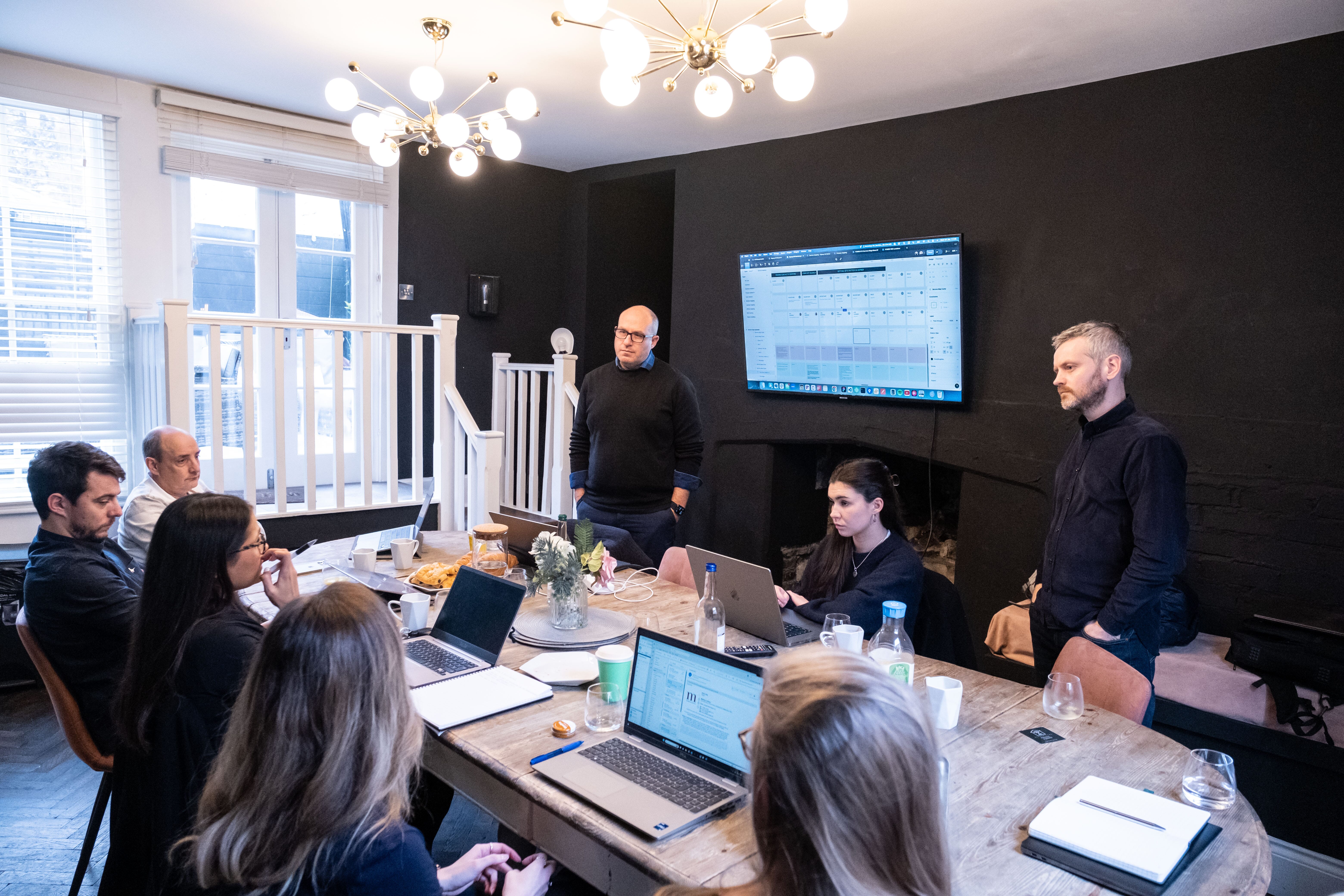
We run ideation workshops with a clear objective in mind, focused on the specific challenge or problem that needs to be solved. Bringing together a mix of stakeholders ensures that different angles are represented, from commercial and operational perspectives to user needs and technical feasibility.

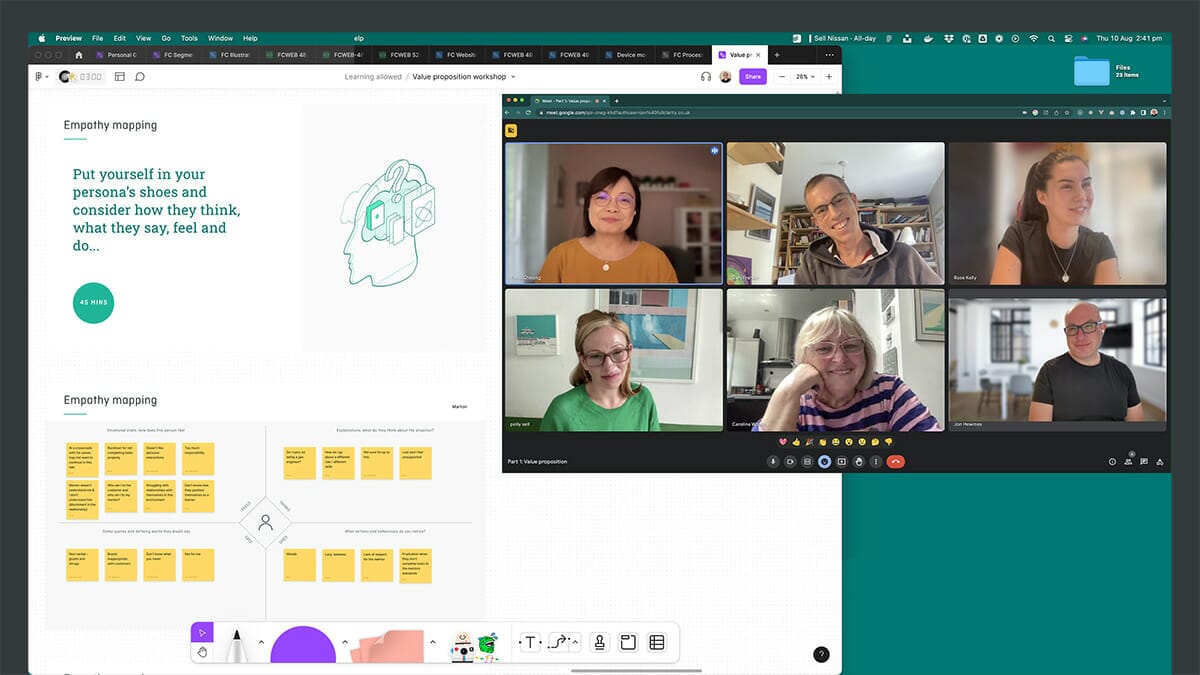
To encourage creativity, we create an environment where participants can share ideas freely, whether in person or online. Tools such as whiteboards, sticky notes, and shared digital spaces like Miro or Figma are often used to capture thinking in real time. During the session, we apply ideation techniques such as brainstorming, sketching, and mind-mapping to generate ideas and expand on them together.

The process typically involves:

  • Collecting ideas: gathering as many concepts as possible, without judgment or filtering.
  • Clustering and grouping: organising related ideas into themes or patterns.
  • Refining and prioritising: selecting the strongest ideas and developing them further, either into early sketches or concepts ready for prototyping.

Throughout the session, our role is to facilitate and guide, making sure the focus stays on the agreed challenge, that everyone has a voice, and that the energy in the room leads to constructive outcomes.

Collaborative design

By the end of an ideation workshop, you will have a comprehensive set of ideas and solutions that reflect the input of the group. These will usually be grouped and prioritised, giving clarity on which concepts should be taken forward. In some cases, one standout idea will emerge, while in others several directions will be developed further through early concept wireframes or prototypes.

The workshop outputs provide a clear starting point for the next stage of UX design. They give stakeholders confidence that multiple options were considered, that decisions were made collaboratively, and that the chosen direction is backed by evidence and alignment. For the design team, they offer a practical foundation that can be carried into further user research, prototyping, and testing.

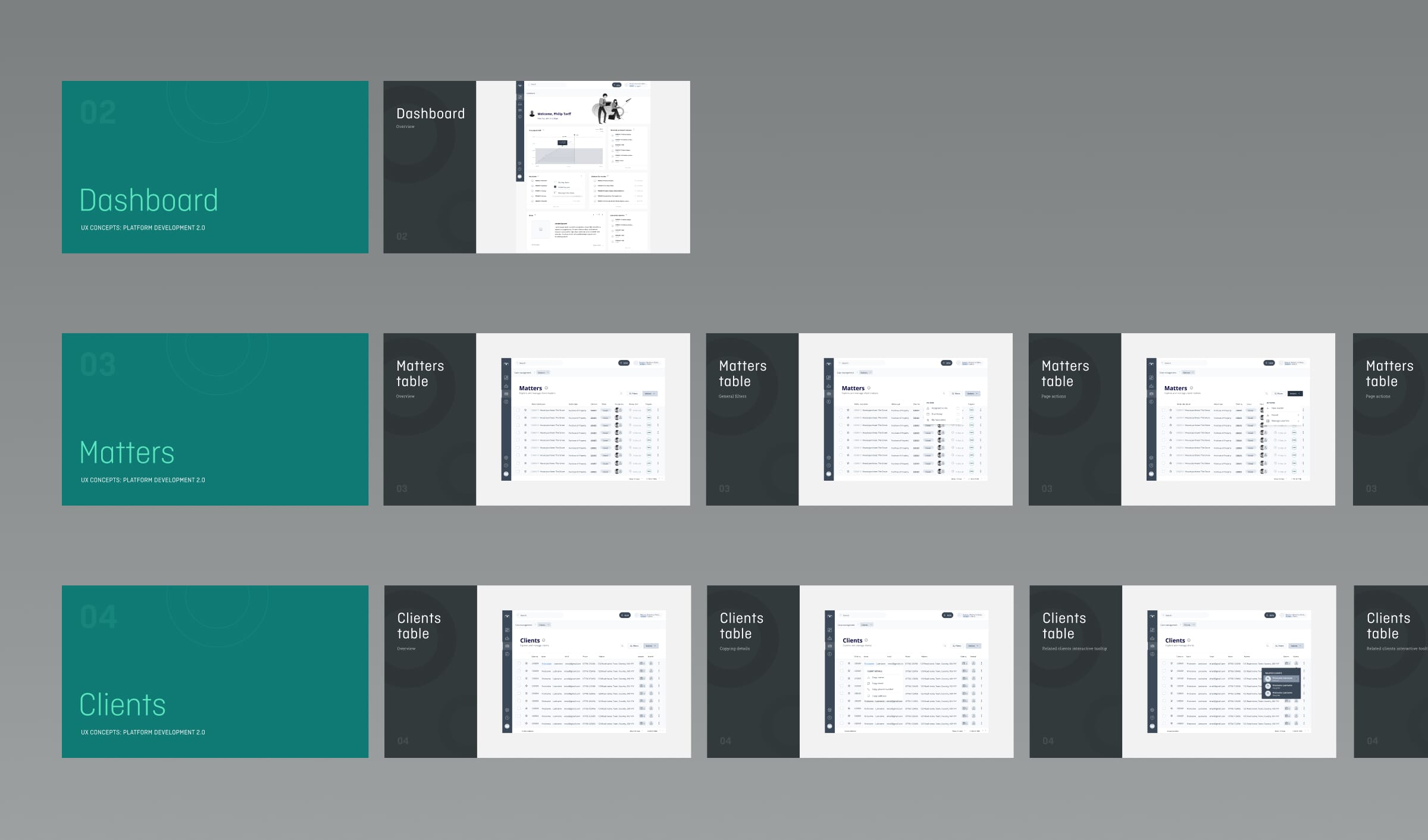
Following the workshop, our team takes the ideas your business has generated and refines them into a clear, tangible wireframe. This ensures your concepts are not only captured but also translated into a practical visual blueprint that can guide the next stage of development.

Typical outcomes include:

  • A prioritised set of ideas aligned to business goals and user needs
  • Stakeholder alignment around the strongest concepts
  • Early sketches or concept directions ready for development into wireframes
  • Faster decision-making by testing and refining ideas in real time
  • Reduced risk of pursuing ideas that do not resonate with users or the business

Driving creativity and clarity

An ideation workshop is more than just a creative exercise. It is a structured step in the design process that bridges research findings with tangible concepts, ensuring the project moves forward with clarity and momentum. By engaging your team and guiding the session with proven methods, we help unlock creativity, align stakeholders, and generate solutions that can be developed into meaningful designs.


FAQs

What is the purpose of an ideation workshop?

An ideation workshop helps teams generate creative solutions to a defined problem before design begins. It ensures a wide range of concepts are explored, reducing the risk of overlooking stronger ideas.

Who should attend an ideation workshop?

Workshops are most effective when they include a mix of stakeholders such as business leaders, designers, developers, and subject matter experts. Diverse perspectives lead to richer and more practical ideas.

What happens after an ideation workshop?

The strongest ideas are grouped, prioritised, and often developed into sketches or early wireframes. These outputs guide the next stage of the design process, providing clarity and alignment.

How does an ideation workshop benefit my business?

It saves time and money by identifying promising ideas early, builds stakeholder alignment, and ensures the design process starts with concepts that are user-focused and aligned with business goals.

Book a virtual coffee

Speak directly with our founders Ed and Jon about how we can help you on your Innovation or Transformation project.

Contact
Ed & Jon

Contact details

Find us

Cheyenne House
West Street
Farnham, Surrey
GU9 7EQ

Cheyenne House
West Street
Farnham, Surrey
GU9 7EQ

Contact form

Looking for a long term partner to support your business?

By browsing our website you agree to our cookie policy. You can opt-out anytime from our cookies page