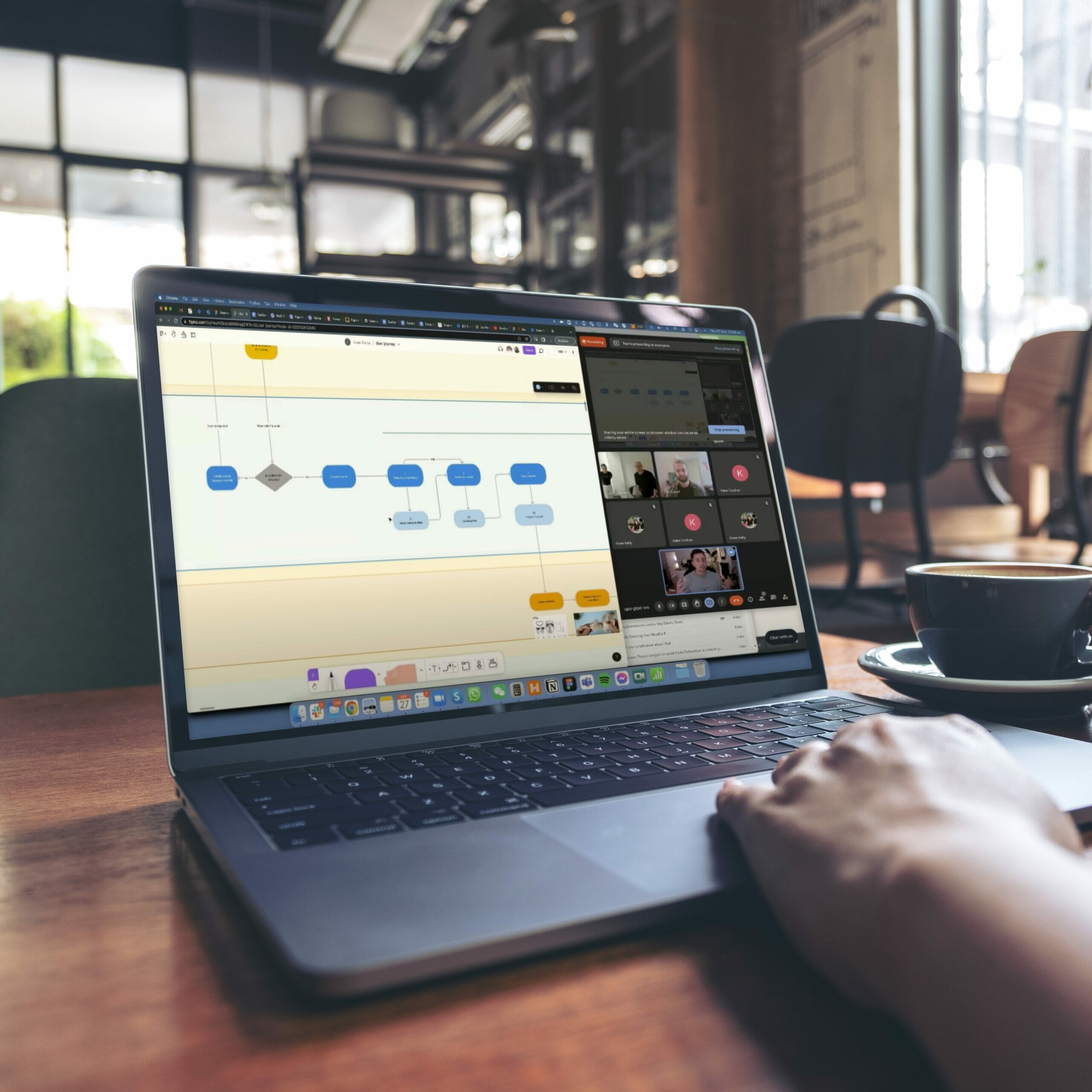
Stakeholder validation

Stakeholder validation is the process of gathering feedback and approval from the people and teams who have a vested interest in a project. It ensures that design decisions are understood, supported, and aligned with both user needs and business objectives.

Stakeholder validation

Stakeholder validation in ux projects

In UX research, stakeholder validation plays a critical role in shaping a design that works for both the business and the user. It brings together voices from across the organisation to confirm that a design addresses real problems and supports agreed objectives. Validating early with stakeholders helps minimise misunderstandings and prevents wasted effort, as issues are surfaced before development begins.

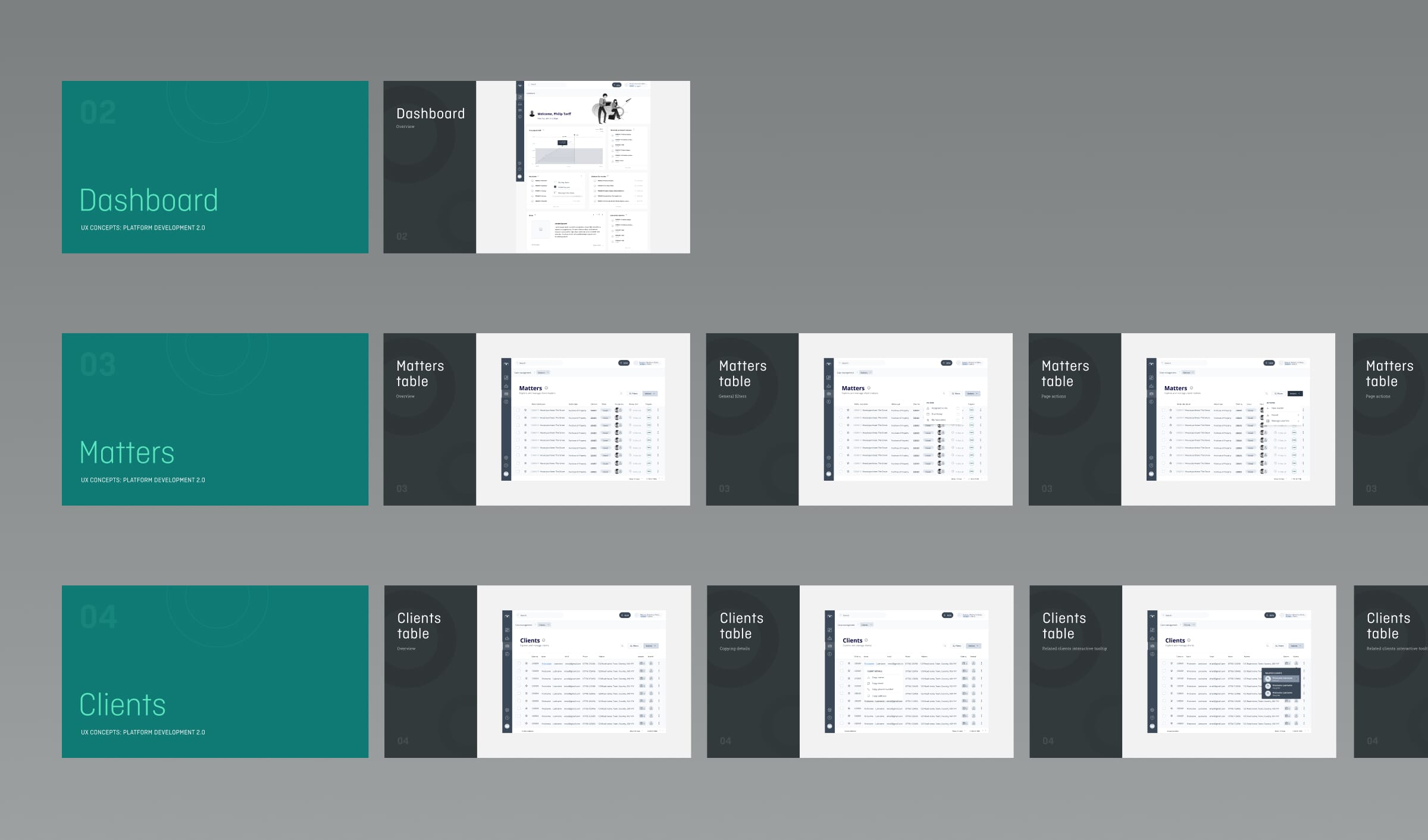
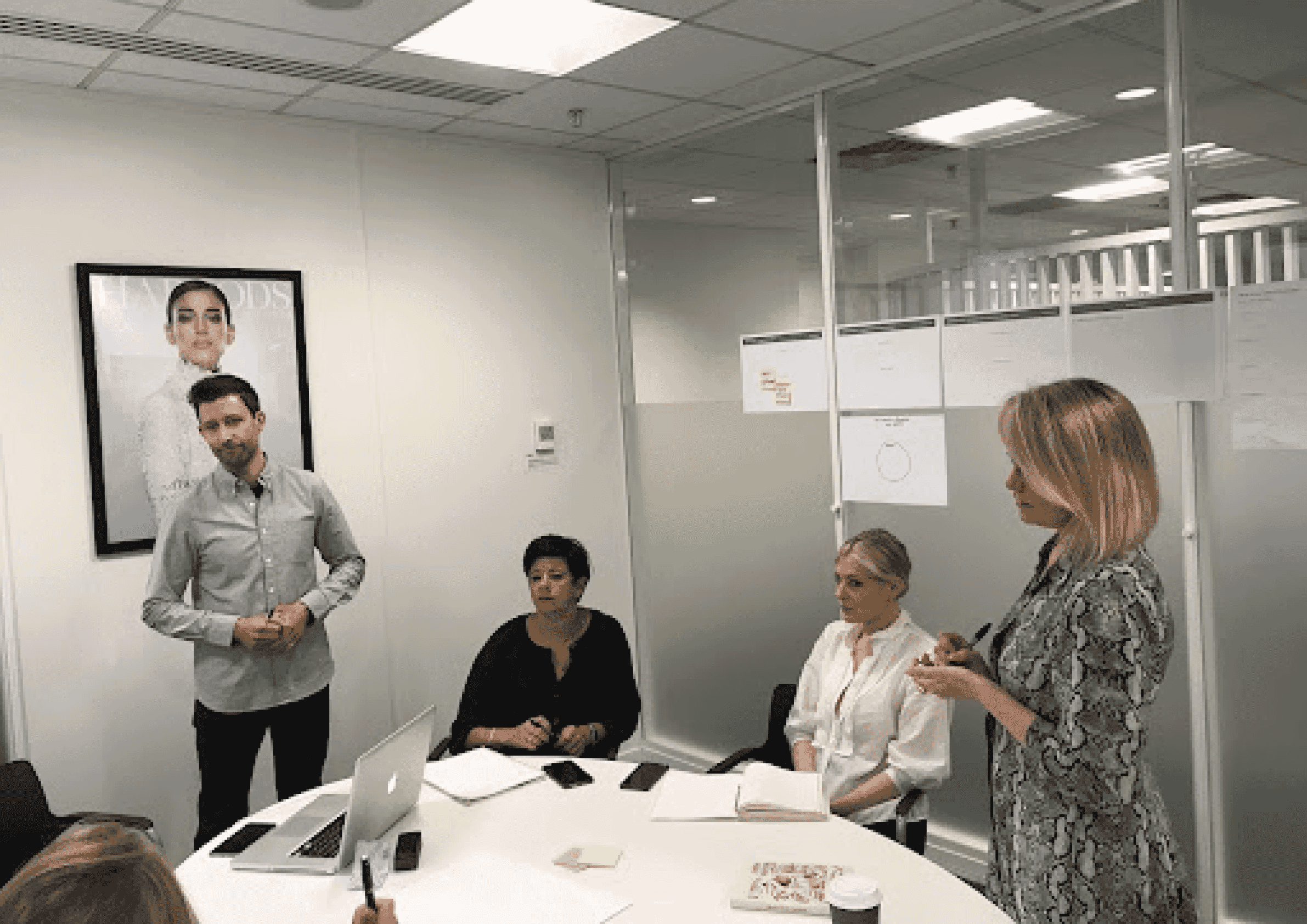
It also builds buy-in. Stakeholder input plays a key role in shaping the design and ensuring it reflects both business priorities and user needs. Validation sessions give space for our stakeholders’ voice to be heard, demonstrate the evidence behind design choices, and help build a shared understanding of the solution. This process not only strengthens alignment but also helps create advocates for the project across the business.

How to maximise success

Effective stakeholder management is about structure and clarity. A typical process includes:

  1. Identify stakeholders: Decide which people need to be involved in validation. This often includes internal teams, management, subject matter experts, end users, and sometimes external clients.
  2. Set clear goals: Define what needs validating. This might be the usability of a flow, the clarity of navigation, or alignment with business priorities.
  3. Choose validation methods: Pick approaches that fit the context, such as workshops, usability testing, user testing, surveys, interviews, or review sessions.
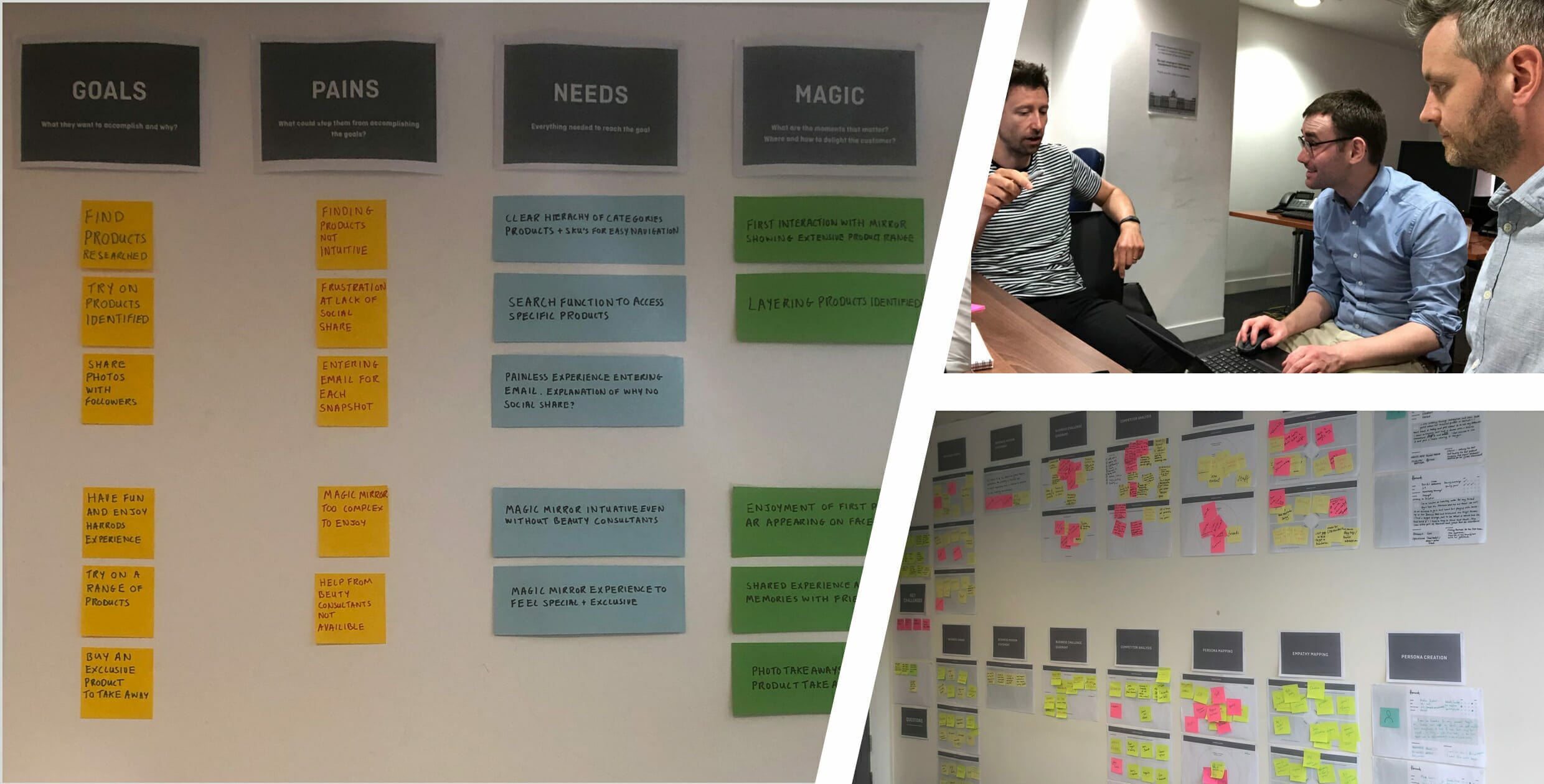
  4. Gather input: Collect honest feedback, noting areas of alignment as well as points of concern. Encourage stakeholders to share their reasoning, not just their preferences.
  5. Analyse feedback: Look for themes, patterns, and recurring issues rather than focusing on individual opinions.
  6. Address concerns: Adapt the design where needed, and explain the reasoning behind decisions where changes are not possible.
  7. Communicate outcomes: Share findings with both the project team and stakeholders, highlighting how feedback has been used to refine the design.
  8. Iterate: Plan further rounds of validation where necessary, particularly for larger projects where designs evolve over time.

This structured approach ensures that feedback is actionable, transparent, and tied directly to project goals.


Typical outcomes include:

  • Clearer alignment between design decisions and business strategy
  • Stronger stakeholder buy-in, reducing resistance during rollout
  • Earlier identification of usability or functional issues
  • Better use of resources by avoiding costly rework later in development
  • Improved collaboration and shared ownership across teams

Benefits of stakeholder validation

Beyond simply gaining approval, stakeholder validation sessions create a culture of collaboration and open communication. Regular updates, clear explanations, and active listening help stakeholders feel engaged and respected, which in turn builds trust between teams.

By involving decision-makers and subject matter experts, validation sessions also surface constraints and opportunities that designers might not otherwise see. This helps ensure that final solutions are both practical and strategically relevant. The process can reveal gaps between user needs and business expectations, allowing teams to resolve them before they become significant problems.

Most importantly, stakeholder validation reinforces a user-centred design approach. When stakeholders see user feedback alongside design rationale, it strengthens empathy for the people the product is being built for. This not only leads to more thoughtful design decisions but also creates long-term advocates for user-centred practices within the organisation.

In summary, stakeholder validation is a vital part of UX design. It aligns teams around shared goals, secures buy-in, reduces wasted effort, and ensures that solutions balance user needs with business priorities. When carried out effectively, it helps teams deliver products that are practical, user-focused, and supported by the people who matter most to the project’s success.


FAQs

Why is stakeholder validation important in user experience design?

Stakeholder validation ensures that designs meet both user needs and business objectives. It reduces the risk of misalignment, helps identify issues early, and builds buy-in from decision-makers who can support the project through to delivery.

When should stakeholder validation take place in a research project?

Validation is most effective when it happens early and continues iteratively. It should occur after key design milestones, such as wireframes or prototypes, so feedback can be incorporated before development begins.


Who should be involved in stakeholder validation?

This depends on the project, but typically includes internal teams, managers, subject matter experts, and in some cases clients or end users. The aim is to gather perspectives that represent both business priorities and user needs.

Book a virtual coffee

Speak directly with our founders Ed and Jon about how we can help you on your Innovation or Transformation project.

Contact
Ed & Jon

Contact details

Find us

Cheyenne House
West Street
Farnham, Surrey
GU9 7EQ

Cheyenne House
West Street
Farnham, Surrey
GU9 7EQ

Contact form

Looking for a long term partner to support your business?

By browsing our website you agree to our cookie policy. You can opt-out anytime from our cookies page