Refinement sprint

A refinement sprint is a short and focused period in the Agile development process dedicated to reviewing, clarifying, and refining backlog items to prepare them for upcoming development iterations.

Perfecting user experiences 

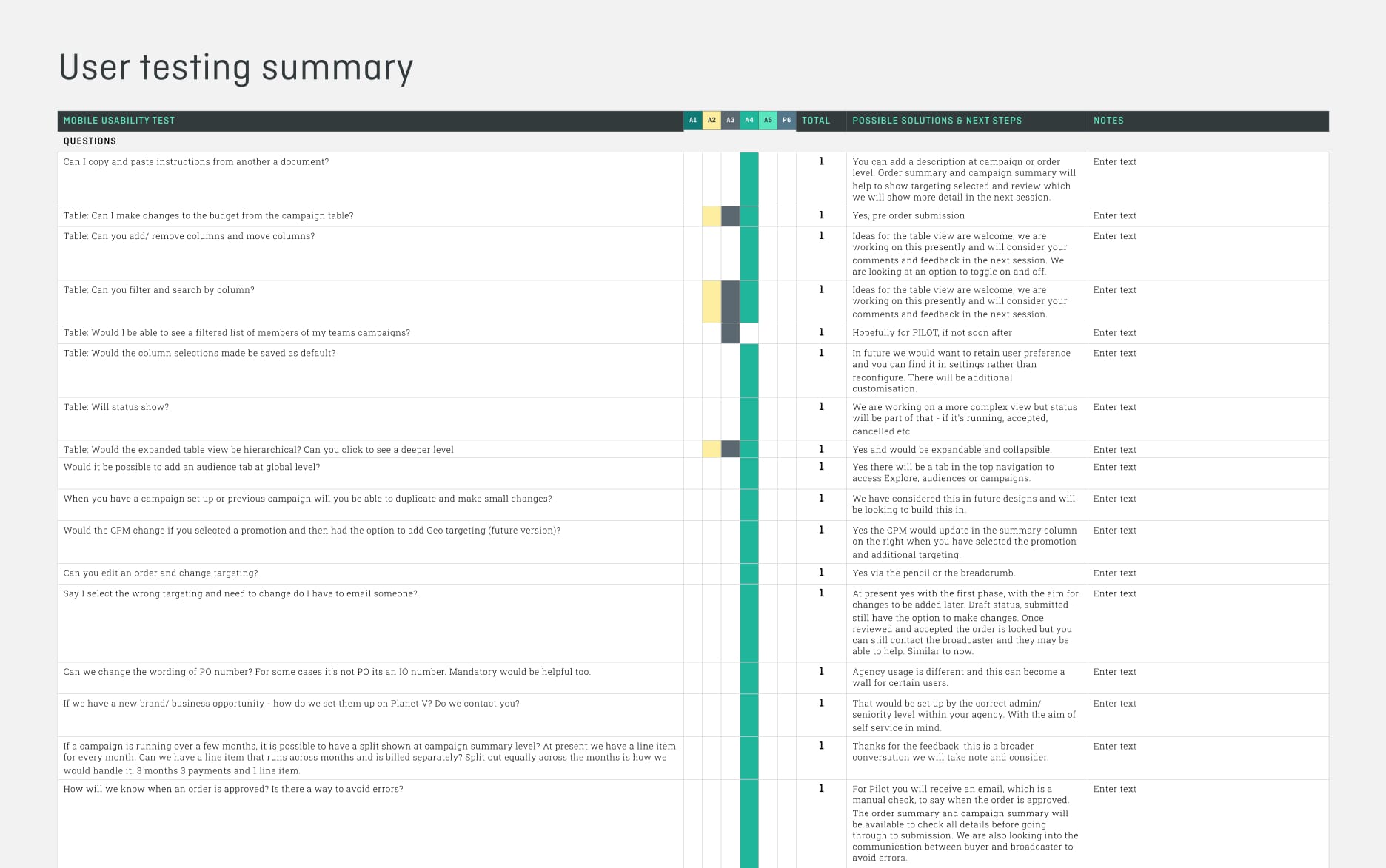
Following stakeholder validation and user testing, the next step in the design process involves refining the designs based on the issues uncovered. This iterative process supports continuous improvement, helping the product evolve toward a standard that meets both user expectations and business needs before development begins.

To keep momentum and avoid project delays, refinement sprints offer a practical and efficient way to implement changes. Without a clear structure, the design phase can become prolonged, leading to frustration and drift. Refinement sprints help prevent this by providing a framework that focuses on resolving real problems identified during validation and usability testing. The sprint structure draws on design thinking and is typically divided into five distinct phases. It is designed to be time-limited and outcome-focused.

In this context, these types of design sprints are not about building from scratch, but about refining and improving what already exists. They help teams translate stakeholder concerns and user research findings into tangible UX/UI design decisions. With a clear scope and a short timeframe, refinement sprints allow meaningful progress without needing to revisit broader product assumptions.

Working with Full Clarity during a refinement design sprint gives teams the structure and support to move quickly and intentionally. We help identify the underlying issues behind surface-level feedback and work with your team to resolve them in a way that aligns with your overall product vision. This leads to more confident, data-driven decisions and avoids last-minute design compromises.
Insight into the design sprint process

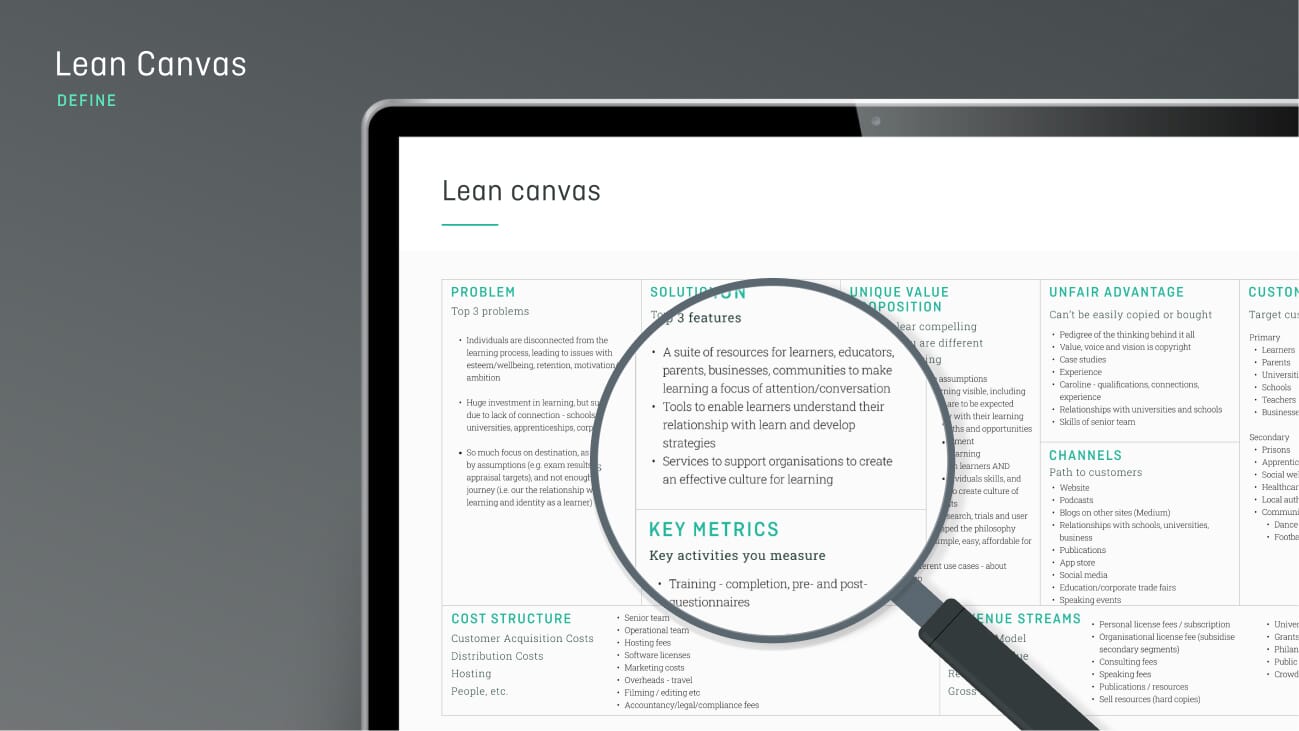
The process of our refinement sprint is typically broken down into five key stages, drawing inspiration from the original Google Ventures Design Sprint framework. These stages help ensure that design changes are grounded in evidence and aligned with user needs. Depending on the scope of the problem, the design sprint can take place over a few hours or span several days. The core process remains consistent across different types of refinement work.

Understand

The sprint begins with understanding the problem or challenge at hand. Research from earlier in the project is revisited, including user research findings, usability testing outputs, and any relevant customer feedback. If needed, new information is gathered to fill in gaps. This stage defines the scope of the sprint and clarifies which issues will be prioritised.

Ideate

Designers begin exploring ways to address the identified issues. In some cases, the solution may be straightforward. In others, a more in-depth ideation session may be required to reframe the problem or consider alternative approaches. Techniques such as sketching, brainstorming, and mapping out flows are often used here.

Decide

The team reviews ideas, discusses trade-offs, and chooses the most promising direction. If multiple design variations exist, the strongest options that’ll meet user needs best are selected for further development. Stakeholder input may be invited at this stage to ensure alignment with wider priorities.

Prototype / Test

Digital prototypes are created to bring the chosen solution to life. These interactive prototypes are tested either with real users or with relevant stakeholders to validate whether the changes are effective. Feedback is collected through usability testing, observation, or direct interviews.

Design

Once a solution has been validated, the updated design is developed into high-fidelity wireframes, ready for implementation. This ensures that refined customer journeys and updated interactions can move smoothly into the build phase, reducing ambiguity for development teams.


The power of the refinement sprint

Refinement design sprints support a practical and intentional approach to UX design. They allow teams to act on feedback without slowing down or going back to the drawing board. Each sprint creates space to solve real problems using evidence from user research, usability testing, and stakeholder feedback to tackle key pain points. The process reduces the risk of design decisions being made too late or under pressure.

By using refinement sprints at the right time, teams can improve product quality and consistency while avoiding scope creep. The approach encourages experimentation and fast learning, but within a clear boundary. It is especially valuable for products that are already in motion, helping to adapt and improve without disrupting overall delivery plans.

Typical outcomes of our refinement design sprint include:

  • Clear prioritisation of design issues identified during usability testing or stakeholder review
  • Rapid iteration of key flows such as onboarding, checkout, or dashboards
  • Improved customer journey that reflect findings from research or analytics
  • Faster stakeholder alignment around proposed changes
  • Reduced ambiguity for development teams ahead of implementation
  • Enhanced confidence in design decisions, supported by real user feedback
  • Improved customer experiences due to iterative improvements.

FAQs

What is a refinement sprint?

A short, focused phase to improve existing designs using research, testing insights, and stakeholder feedback before development begins.

How is it different from a design sprint?

Unlike design sprints that explore new ideas, refinement sprints improve what’s already there, targeting known issues for faster iteration.


When should a refinement sprint be used?

They’re best after usability testing or stakeholder review, when clear design problems need solving without disrupting delivery timelines.

What are the key benefits?

Faster, evidence-based improvements, better stakeholder alignment, reduced ambiguity for developers, and enhanced customer experience.


Book a virtual coffee

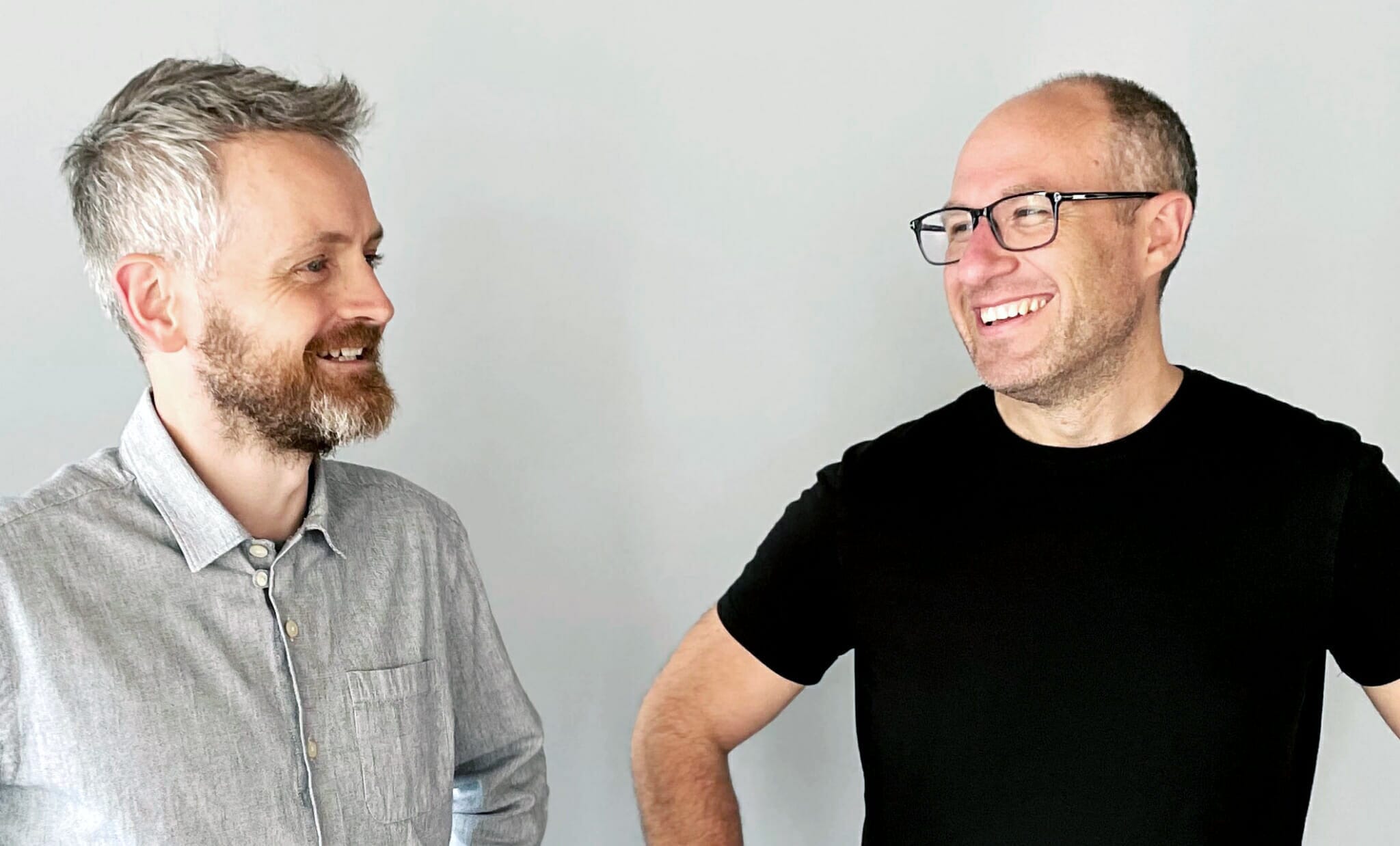
Speak directly with our founders Ed and Jon about how we can help you on your Innovation or Transformation project.

Contact
Ed & Jon

Contact details

Find us

Cheyenne House
West Street
Farnham, Surrey
GU9 7EQ

Cheyenne House
West Street
Farnham, Surrey
GU9 7EQ

Contact form

Looking for a long term partner to support your business?

By browsing our website you agree to our cookie policy. You can opt-out anytime from our cookies page