User research services

User research is the practice of understanding people and the context in which they interact with your product. It involves observing real users, gathering insights about their motivations, constraints and expectations, and using that insight to inform design decisions that meet user needs.

By looking closely at how people behave, what drives them, and what frustrates them, user research helps ensure that what you’re building reflects how people actually experience your product or service, not just how you assume they do.

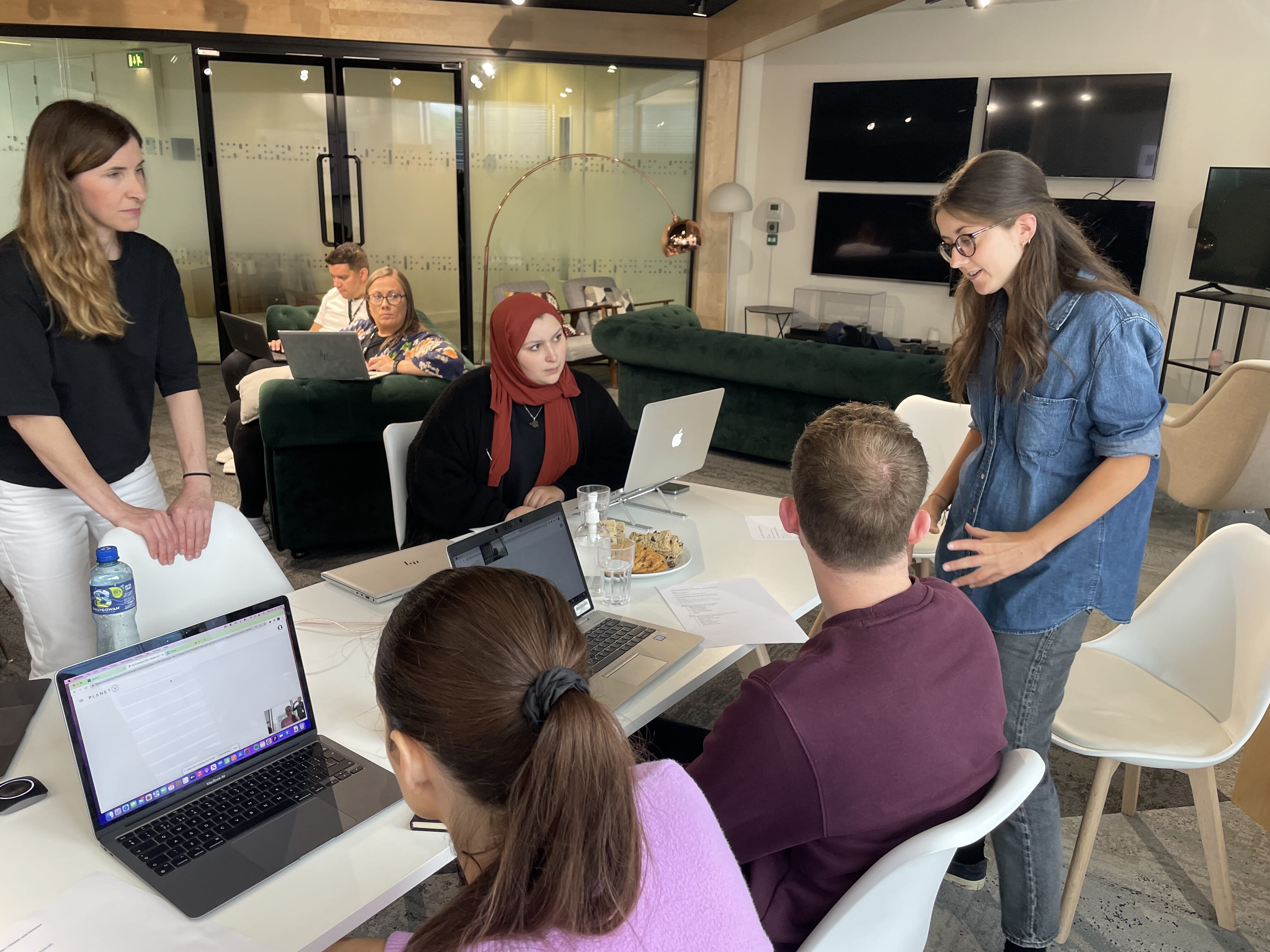
User research services in progress

Why conduct user research?

User research is essential for creating designs that are relevant, usable, and grounded in the needs of your target audience. It goes beyond surface-level preferences or assumptions; it helps us to provide evidence that supports our design decisions throughout the UX design and development process.

When you understand what people really need, you reduce the risk of wasted effort. User research makes it easier to spot early signs of friction or missed opportunities. It gives teams a clearer sense of where to invest their time and resources.

More than just the user

User research isn’t just about who the user is. It’s also about the world they live in and the context that shapes how they use your product. This includes their environment, available tools, confidence with technology, and support from others.

These factors help explain how and why someone interacts with your service in a particular way. Understanding them allows design teams to reduce friction, improve accessibility, and make better-informed decisions about product fit.


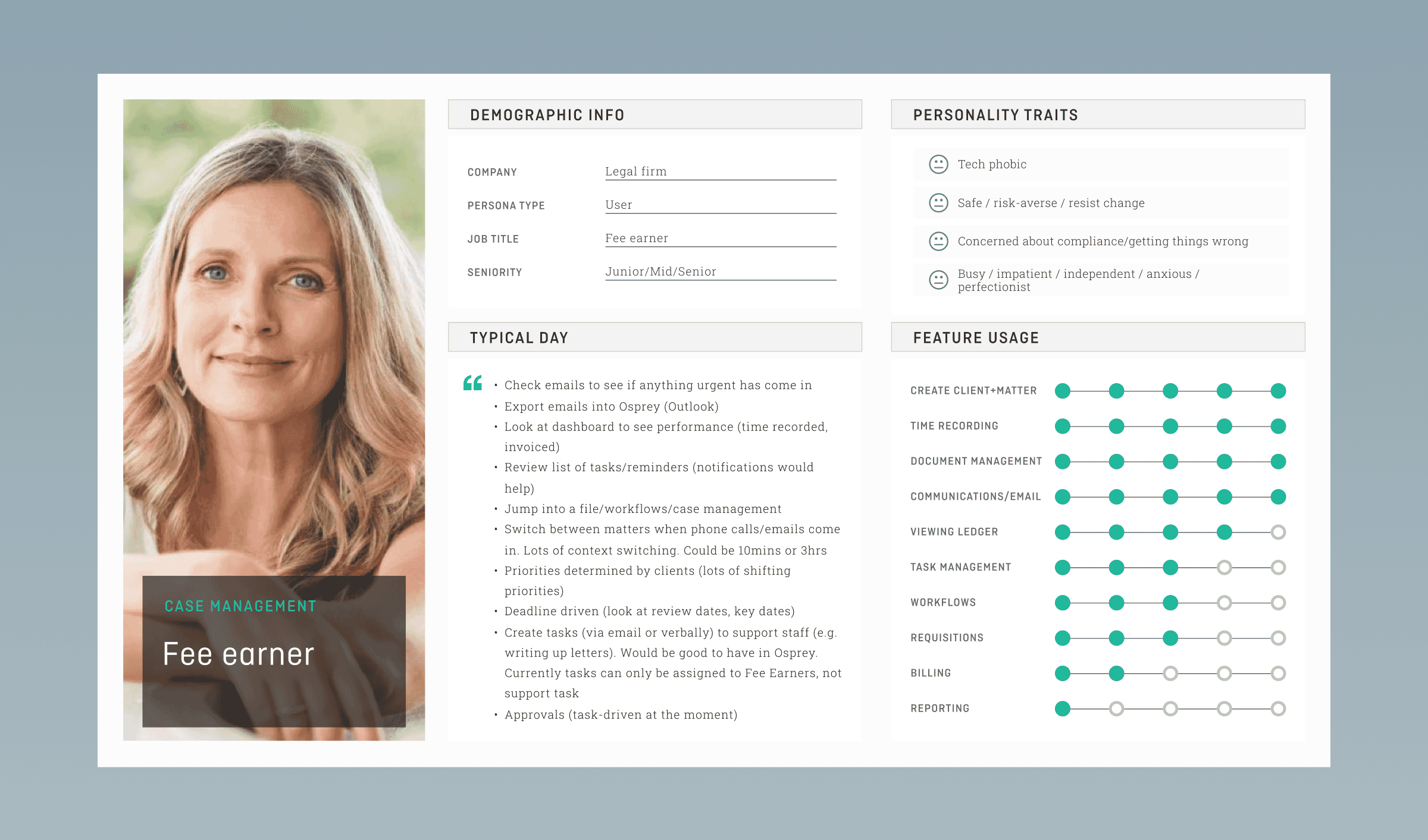
User persona for user research, key to user research services

Acknowledge past experiences

To design something better, you need to understand how people currently approach the problem you’re trying to solve. What tools do they use? What workarounds have they built up over time? Are there systems they’ve relied on, even if they weren’t ideal?

User research helps surface this context. It gives insight into what people find helpful or frustrating in their current experience. From there, it’s easier to design improvements that actually matter to them. It also helps focus effort on solving real problems, rather than redesigning for its own sake.

Research methods: qualitative and quantitative

No single research method works for every situation. The best approach depends on what you need to learn and where you are in the design or development process.

Qualitative methods like user interviews, contextual studies and observation help uncover motivations and behaviours. These are useful when you want to explore how people think and why they do what they do.

Quantitative methods, including surveys and A/B testing, provide data about how people behave at scale. These methods are helpful when you want to test an idea or measure change over time.

In many cases, it’s best to combine the two. Qualitative research can help shape what you measure, while quantitative research can help you decide what to focus on next.

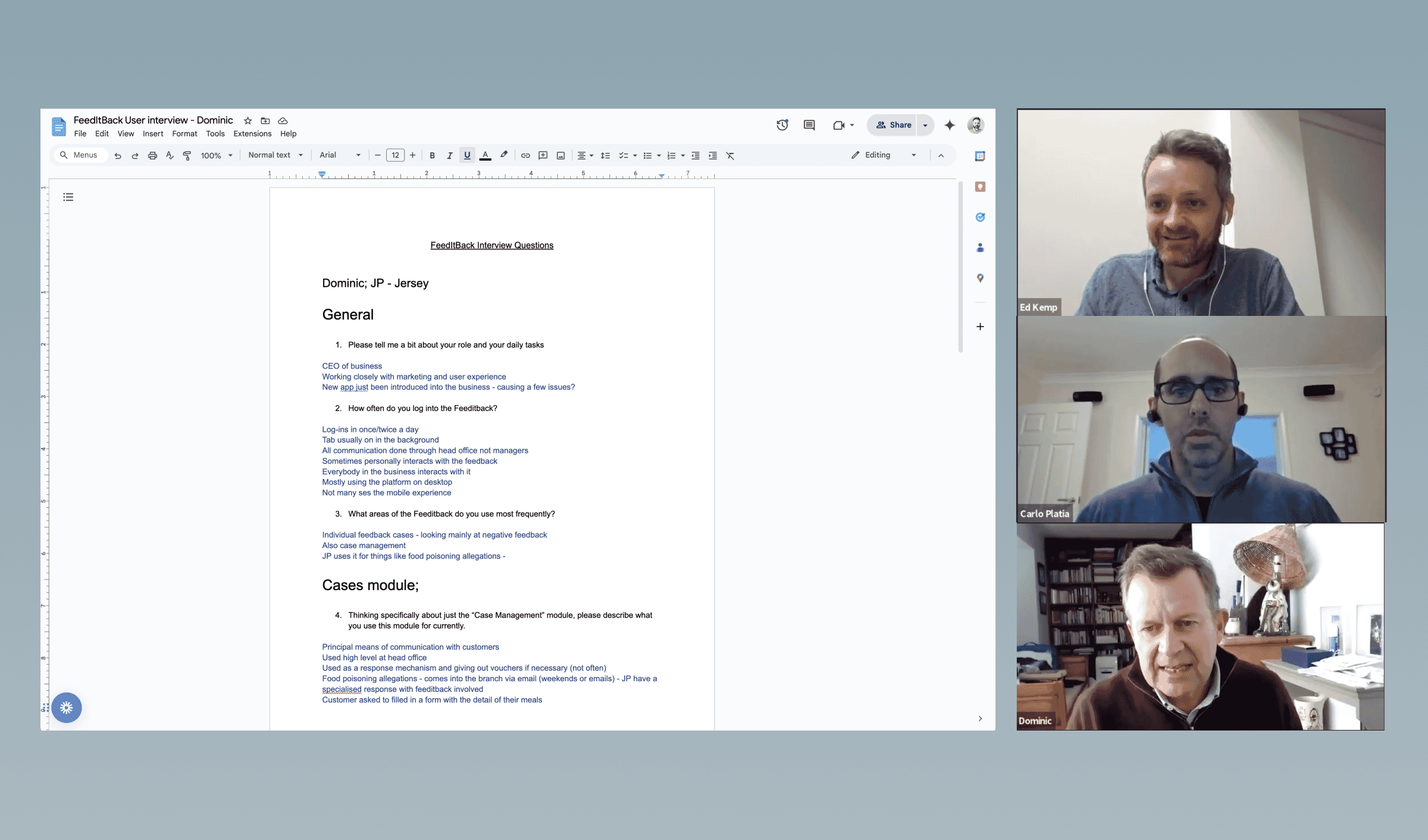
User research method, user research interviews conducted remotely.

Common user research techniques

We use a mix of methods depending on the questions we need to answer:

  • Usability testing (remote or in-person)
  • User Testing
  • User interviews and stakeholder research
  • Surveys and behavioural analytics
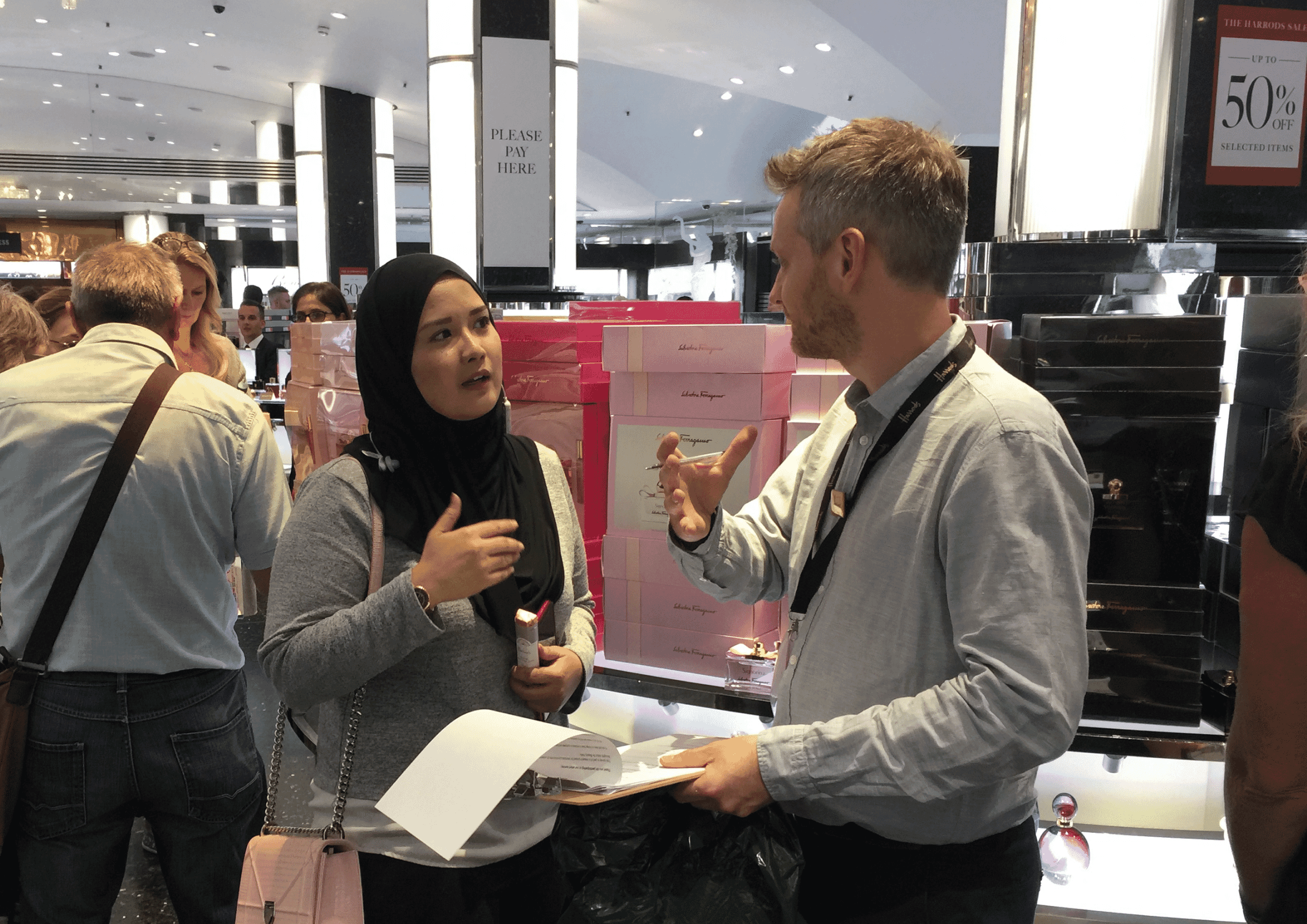
  • Observation research and field studies
  • Ethnographic and contextual research
  • Card sorting and information architecture exercises
  • A/B testing for live or staged improvements
  • Emerging trend, behaviour and market analysis
  • Behavioural segmentation and persona creation

Some techniques are better suited to early discovery work. Others are more useful when testing or refining ideas. What matters most is using the right approach for the point you’re at and the decisions that need to be made.

User research in the development process

User research works best when it’s baked into the development process, not bolted on. From initial discovery through to usability testing and refinement, it helps teams stay focused on the user experience.

Involving designers, developers, and product managers in research helps build shared understanding. It gives everyone a clearer picture of how the product fits into real lives, not just requirements documents or roadmaps.

When research is part of everyday decision-making, it supports faster iteration and more confident choices. Instead of guessing what will work, teams can test and learn as they go.

Why it matters

User research helps you build the right thing. It keeps your work rooted in real users, sharpens UX design decisions, and reduces waste. It helps you uncover problems earlier, validate ideas faster, and build products people can actually use. When research is a regular part of how you work, the outcome is always better.

FAQs

What is meant by user research?

User research is the process of learning how people interact with a product, service, or system by observing their behaviour, asking questions, and analysing patterns. The goal is to understand their needs, challenges, and goals so that the design is shaped around how real users actually think and behave, not just assumptions.

When should user research be done?

User research is valuable at every stage of a project. Early research helps define the problem and shape initial ideas. During design, it can guide decisions and highlight areas for improvement. Once something is built, usability testing and other methods help check whether it works as expected and continues to meet user needs.

What methods are commonly used in user research?

User research methods fall into two main types: qualitative (like interviews, contextual studies, and observation) and quantitative (like surveys or A/B testing). Often, both are used together — for example, exploring a problem through user interviews, then testing potential solutions at scale with data.

What’s the difference between user research and usability testing?

User research is a broader term. It covers any activity aimed at understanding users and their context. Usability testing is one type of user research that focuses specifically on whether people can use a product or service as intended. It’s often done later in the design process to evaluate specific screens or tasks.

Book a virtual coffee

Speak directly with our founders Ed and Jon about how we can help you on your Innovation or Transformation project.

Contact
Ed & Jon

Contact details

Find us

Cheyenne House
West Street
Farnham, Surrey
GU9 7EQ

Cheyenne House
West Street
Farnham, Surrey
GU9 7EQ

Contact form

Looking for a long term partner to support your business?

By browsing our website you agree to our cookie policy. You can opt-out anytime from our cookies page