

Why onboarding is critical for SaaS products
Onboarding plays a direct role in product performance. It shapes how quickly users understand the product, how easily they can complete key actions, and whether they continue using it beyond the first session.
One of the most important outcomes of onboarding is activation. This is often measured through activation rate, which reflects how many users reach a meaningful point of value. If onboarding is unclear or overly complex, users may never reach that point. Instead, they abandon the product before understanding what it offers.
Onboarding also affects time to value. The longer it takes for a user to achieve something useful, the more likely they are to disengage. Reducing unnecessary steps in the sign-up process and guiding users towards key actions can significantly improve retention and product adoption.
Churn is often linked to onboarding issues. Users who leave early frequently do so because they were not able to understand the product quickly enough. Improving onboarding UX is one of the most effective ways to reduce early churn and support long-term customer success.
Key principles of effective SaaS onboarding UX
Effective onboarding flows are not about showing users everything a product can do. It is about helping them do the right things at the right time.
Reducing cognitive load is central to this. Presenting too many options or too much information at once slows decision-making and creates friction. Instead, onboarding should introduce complexity gradually, allowing users to focus on a small number of actions at each step.
Guidance should be clear and purposeful. Rather than relying on generic product tours or guided tours that try to explain everything upfront, onboarding should direct users towards meaningful actions. This might include completing a setup task, creating their first piece of content, or configuring a key feature.
Showing value early is critical. Users need to understand why the product is useful before they are asked to invest more time in it. This often means prioritising outcomes over features, helping users achieve something tangible as quickly as possible.
Progressive disclosure supports this process. Instead of exposing all functionality upfront, additional features are introduced as users become more familiar with the product. This keeps the interface manageable and reduces overwhelm.
Contextual learning also plays an important role. Rather than presenting all instructions at once, guidance should appear when it is needed. This could take the form of inline prompts, tooltips, or suggestions tied to specific actions, including elements of personalised onboarding where appropriate.
Common onboarding UX patterns (and where they go wrong)
There are several common onboarding patterns used across SaaS products. Each can be effective when applied appropriately, but each also introduces risks when used without consideration.
Product tours are widely used to introduce key features. However, they often fail when they attempt to explain too much upfront. Users are required to remember information before they have context, which reduces effectiveness.
Onboarding checklists can help guide users through key steps. They provide structure, visibility, and a sense of progress. When paired with progress indicators, they can reinforce momentum. The challenge is ensuring that the steps are meaningful. Long or unclear checklists can feel like additional work rather than helpful guidance.
Tooltips and inline prompts are useful for contextual support. They can highlight important features at the moment they are needed. When overused, however, they create noise and distract from the primary task.
Empty states are an effective way to guide first-time users. By providing clear instructions and suggested actions, they help users understand what to do next. Poorly designed empty states, on the other hand, can leave users without direction.
A common issue across these patterns is feature dumping. This occurs when onboarding flows attempt to showcase too many features at once. Instead of helping users, it creates confusion and increases cognitive load. The focus should remain on enabling key actions, not demonstrating everything the product can do.
Designing product onboarding for complex SaaS platforms
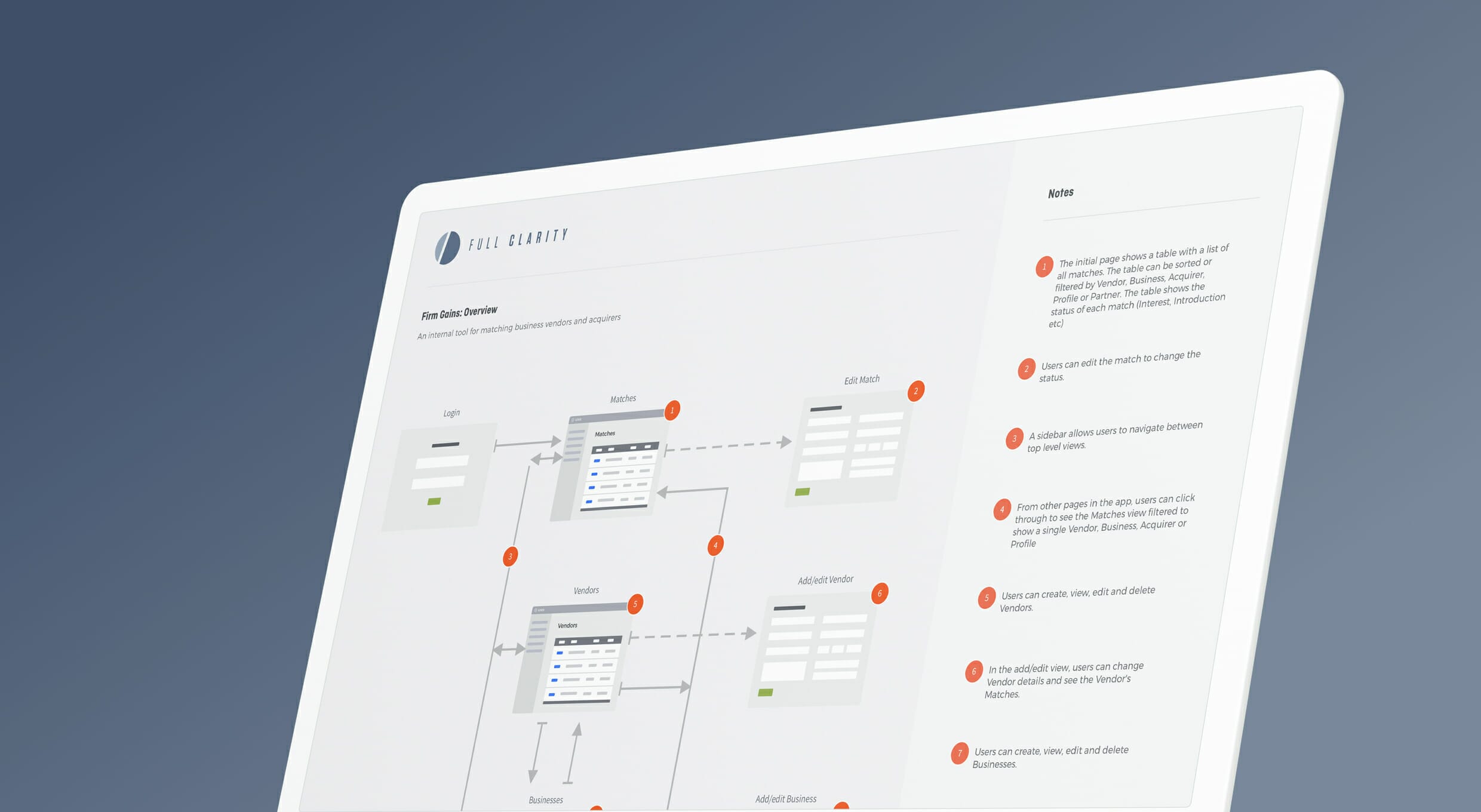
Onboarding becomes more challenging as products increase in complexity. Many SaaS platforms serve different user roles, each with their own goals and workflows. A single onboarding path is rarely sufficient.
In these cases, onboarding should be structured around user context. Different user roles may require different entry points, guidance, and priorities. For example, an administrator setting up a system will have different needs to an end user completing daily tasks.
Phased onboarding flows are often more effective than a single, linear flow. Users are introduced to core functionality first, with additional features revealed over time. This allows them to build familiarity gradually without being overwhelmed.
Navigation and structure also play a key role. In complex systems, users need to understand where they are and what they can do next. Clear grouping of features, predictable layouts, and consistent UX patterns all support this.
In our experience working with feature-rich SaaS platforms, the challenge is not the number of features, but how they are introduced. When onboarding flows are structured around real user tasks and prioritised effectively, even complex systems can feel manageable.
Improving onboarding without rebuilding your product
Improving onboarding does not always require a full redesign. In many cases, targeted changes can significantly improve the user experience.
One of the most effective steps is identifying where users drop off. This often highlights points of friction in the onboarding flow. Simplifying these steps or providing clearer guidance can improve completion rates.
Reducing the number of decisions users must make early on can also have a strong impact. Where possible, defaults and recommendations can be introduced to guide users through initial setup.
Reordering steps to prioritise the core value is another common improvement. If users can achieve something meaningful earlier in the process, they are more likely to continue.
Small changes to language and labelling can also improve clarity. Clear, direct instructions reduce the effort required to understand what to do next.
These types of improvements can often be implemented incrementally, allowing teams to refine onboarding flows without disrupting the wider product.
Measuring onboarding success
Measuring onboarding UX helps teams understand whether changes are effective and where further improvements are needed.
Activation rate is one of the most important metrics. It indicates how many users reach a meaningful point of value within the product.
Time to value measures how quickly users achieve that outcome. Reducing this time is often a key goal of onboarding improvements.
Completion rate shows how many users finish the onboarding process. Low completion rates can indicate friction or unnecessary complexity.
Retention provides a longer-term view. If onboarding is effective, users are more likely to return and continue using the product, supporting sustained product adoption.
These metrics, combined with qualitative feedback, provide a clear picture of how onboarding is performing and where attention should be focused.
Conclusion
SaaS onboarding UX is an ongoing part of the product experience. As products evolve, onboarding should evolve with them.
By focusing on clarity, reducing unnecessary complexity, and guiding users towards meaningful actions, teams can create onboarding experiences that support both user success and long-term product growth.
Find out more
Interested in improving your SaaS onboarding processes? Get in touch with us today for support with your SaaS projects.
Related insights

What is a service design audit? Improving user experience and outcomes
![Information architecture design in UX: complete guide [2025]](https://fullclarity.sirv.com/media/2025/01/IA.png)