Technical feasibility

Technical feasibility assesses whether a proposed project, product, or system can realistically be implemented from a technical standpoint. It gives businesses clarity on risks, resources, and constraints before committing time and investment.

Why you need to carry out technical feasibility

One of the biggest risks in digital projects is moving forward without testing whether an idea can actually be delivered with the available tools, infrastructure, and expertise. Technical feasibility addresses that risk by asking the right questions up front.

This process provides confidence that a product can be built within the intended scope, tools, budget, and timeline. It highlights potential roadblocks such as gaps in the current technology stack, limitations in infrastructure, or dependencies on third-party systems. By uncovering these early, you avoid costly surprises further down the line.

There are clear benefits to engaging in a feasibility assessment:

Risk mitigation

Identify technical uncertainties before they turn into problems.

Resource allocation

Understand the equipment, skills, and expertise required, and plan accordingly.

Investment confidence

Provide stakeholders and investors with evidence that the project is achievable.

Compliance assurance

Ensure your plans meet regulatory and legal requirements.

Competitor analysis

Through market research, compare the technical strengths of your concept against existing products to identify advantages and weaknesses.

Timeline

Define realistic timeframes for delivering the project, based on scope, resources, and complexity.

In short, technical feasibility helps businesses make well-informed decisions with both user needs and technical realities in mind.
Our process for technical feasibility

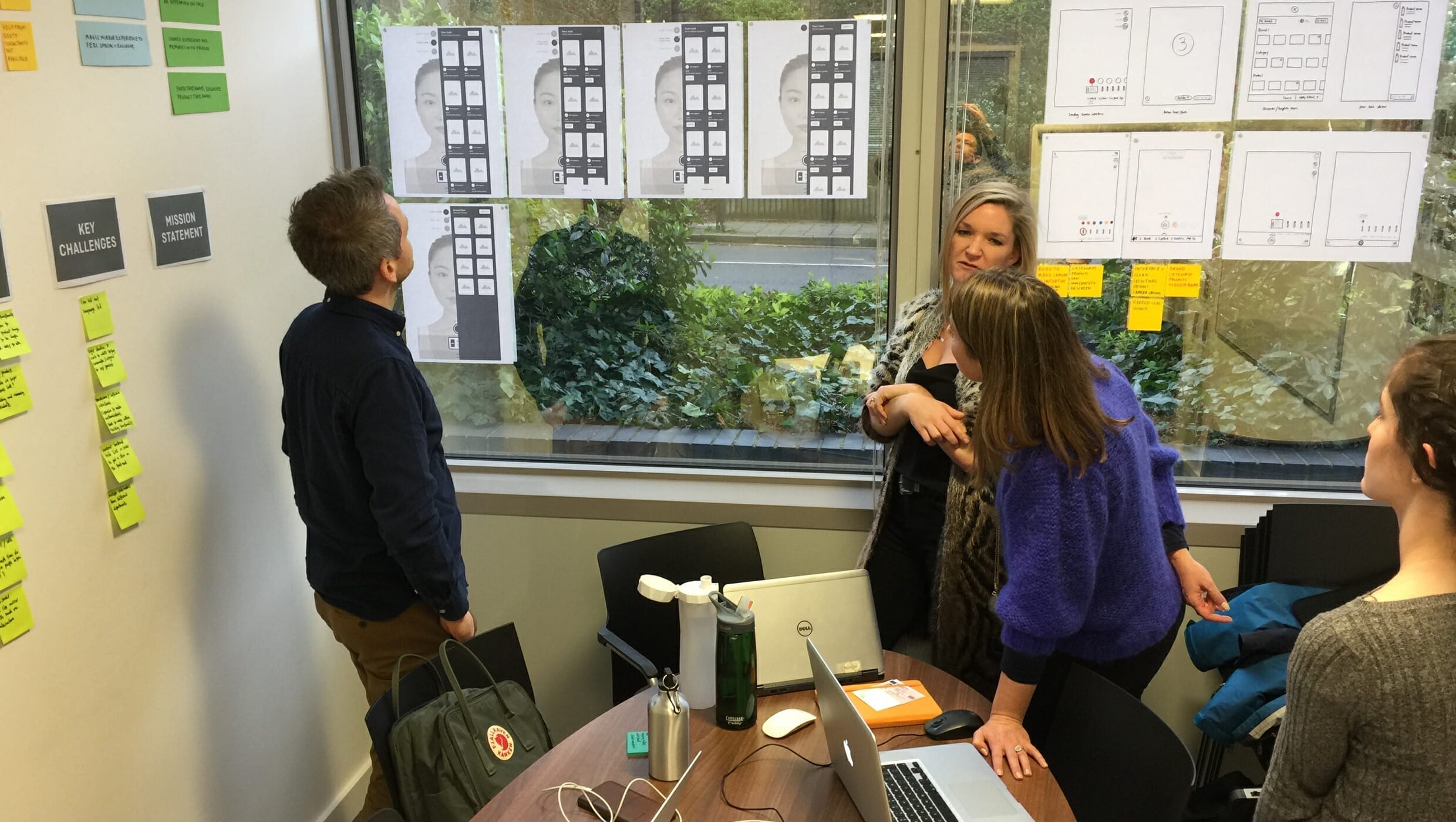
At Full Clarity, we approach technical feasibility as structured, collaborative exercises. We combine technical expertise with design thinking to ensure projects are assessed from multiple perspectives. Our process typically includes:

Requirements gathering

We begin by clarifying project goals, desired features, and any existing constraints. This provides the scope against which feasibility can be judged. Certain parameters we might need to assess include: financial feasibility, operational feasibility, legal feasibility and economic feasibility.

Technology assessment

We review the current systems, platforms, and integrations. This helps us determine whether your existing technology stack can support the proposed solution or whether additional tools are needed.

Resource evaluation

We look at the available skills, infrastructure, and external dependencies. This stage identifies what can be achieved with in-house capabilities and where outside support may be required.

Risk analysis

We map out potential technical challenges, from scalability and performance to security and compliance issues. This stage highlights what could block delivery if not addressed.

Validation and recommendations

We bring the findings together into a clear view of what is feasible now, what needs investment, and what should be prioritised for later phases.

This process can take place early in concept development or as a checkpoint before major investment decisions. Either way, the outcome is a grounded understanding of what it will take to deliver your project successfully.

Technical feasibility

Outputs of a feasibility study

A technical feasibility assessment produces practical deliverables that teams can act on immediately. Depending on the size of your project, outputs could include:

  • A feasibility report outlining technical risks, opportunities, and constraints
  • A prioritised roadmap of recommendations for near-term and long-term actions
  • Cost and time estimates that reflect real technical effort
  • Clear decision support for whether to proceed, pause, or adjust the scope
  • Completed cost-benefit analysis on project outcomes

These outputs act as a bridge between business vision and technical implementation, helping to ensure resources are directed where they will have the greatest impact.

Building with confidence

Technical feasibility is not about limiting ambition. It is about making sure your ambition is supported by the right technical foundation. By carrying out this process before committing to development, you gain a clearer view of what is possible, where the challenges lie, and how to overcome them.

We help businesses understand what is feasible, going beyond  just a technical check. They are a way of creating alignment between stakeholders, focusing effort, and ensuring your product vision can be delivered in a way that meets user needs and stands up in the real world.


FAQs

What is included in the technical feasibility process?

A feasibility study looks at your current systems, resources, and technical constraints. It identifies risks, evaluates whether your existing technology stack is fit for purpose, and provides recommendations to guide development.


When should we carry out a technical feasibility assessment?

The best time is early in concept development or before committing to major investment. However, it can also be valuable as a checkpoint during project planning to ensure assumptions still hold true.


How does technical feasibility help reduce project risk?

By identifying technical gaps, scalability issues, or compliance challenges early, teams can address them before they become costly problems during development. This reduces wasted effort and supports smoother delivery.

Book a virtual coffee

Speak directly with our founders Ed and Jon about how we can help you on your Innovation or Transformation project.

Contact
Ed & Jon

Contact details

Find us

Cheyenne House
West Street
Farnham, Surrey
GU9 7EQ

Cheyenne House
West Street
Farnham, Surrey
GU9 7EQ

Contact form

Looking for a long term partner to support your business?

By browsing our website you agree to our cookie policy. You can opt-out anytime from our cookies page