UX/UI concept ideation

UX/UI concept design involves creating visual and interactive representations of a digital product or service to ensure a user-friendly experience.

Defining user experience concept ideation

Concept ideation is the third stage in the ‘design thinking’ process where ideas are transformed into tangible design concepts. It brings together user research, business goals, and creative problem solving to shape how a product might look and feel in practice. UX concept design focuses on how users move through a product, while UI concept design focuses on how it looks and communicates visually. Together, UX/UI concept ideation provides a foundation for usability testing, validation, and refinement before full development begins.

By placing the user at the centre, concept ideation ensures that products are not just functional but also intuitive and enjoyable. It takes into account the full journey a person has with a product, across touchpoints and interactions, to ensure consistency and usability.
Why an iterative approach matters

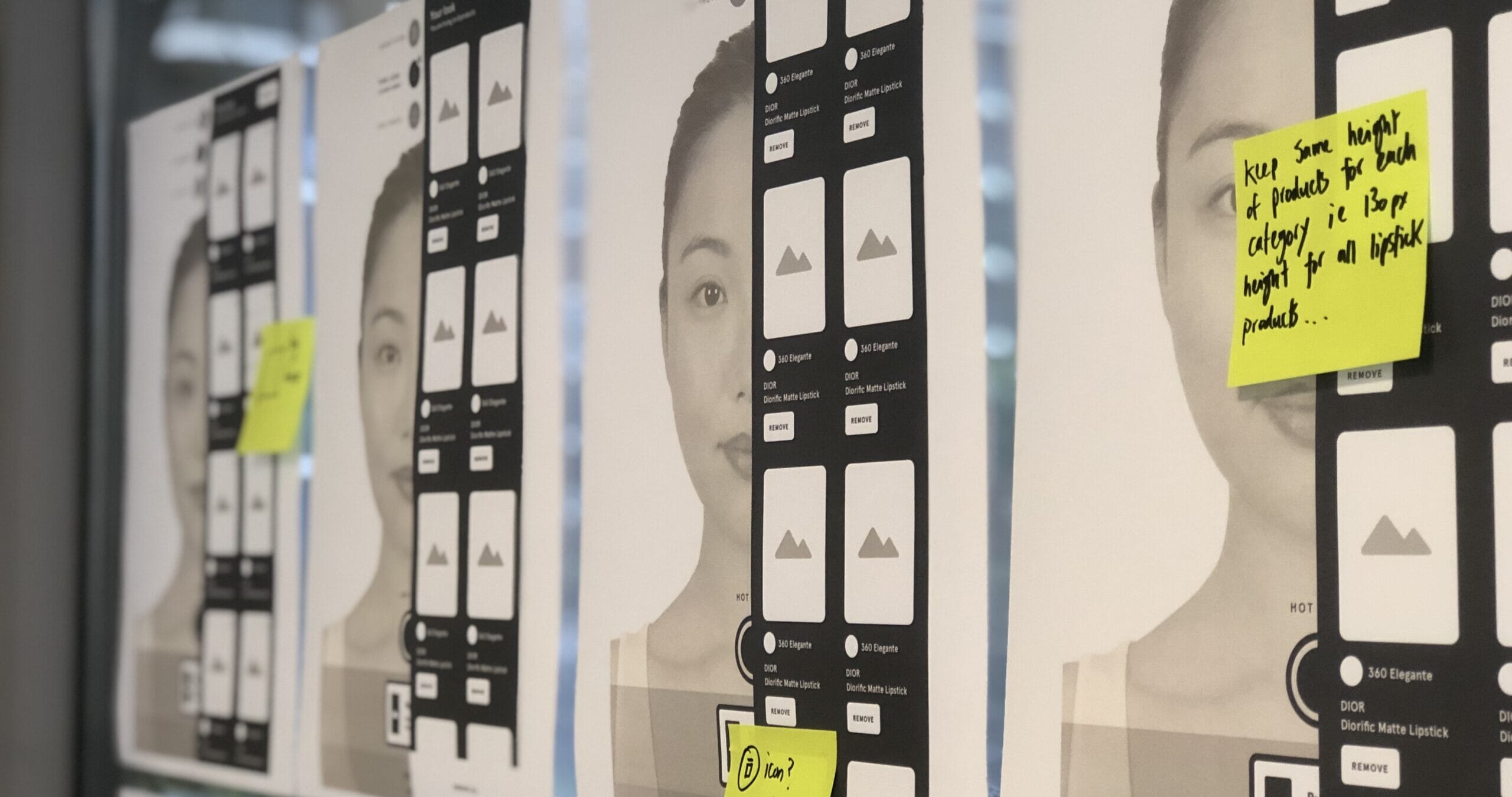
Concept ideation allows early user/usability testing and validation of ideas, long before any real development begins. This lowers the risk of building features that are not valuable or intuitive for users. Concept designs provide a clear visual representation of layout, flow, and interactions so that stakeholders can understand how the product will work in practice.

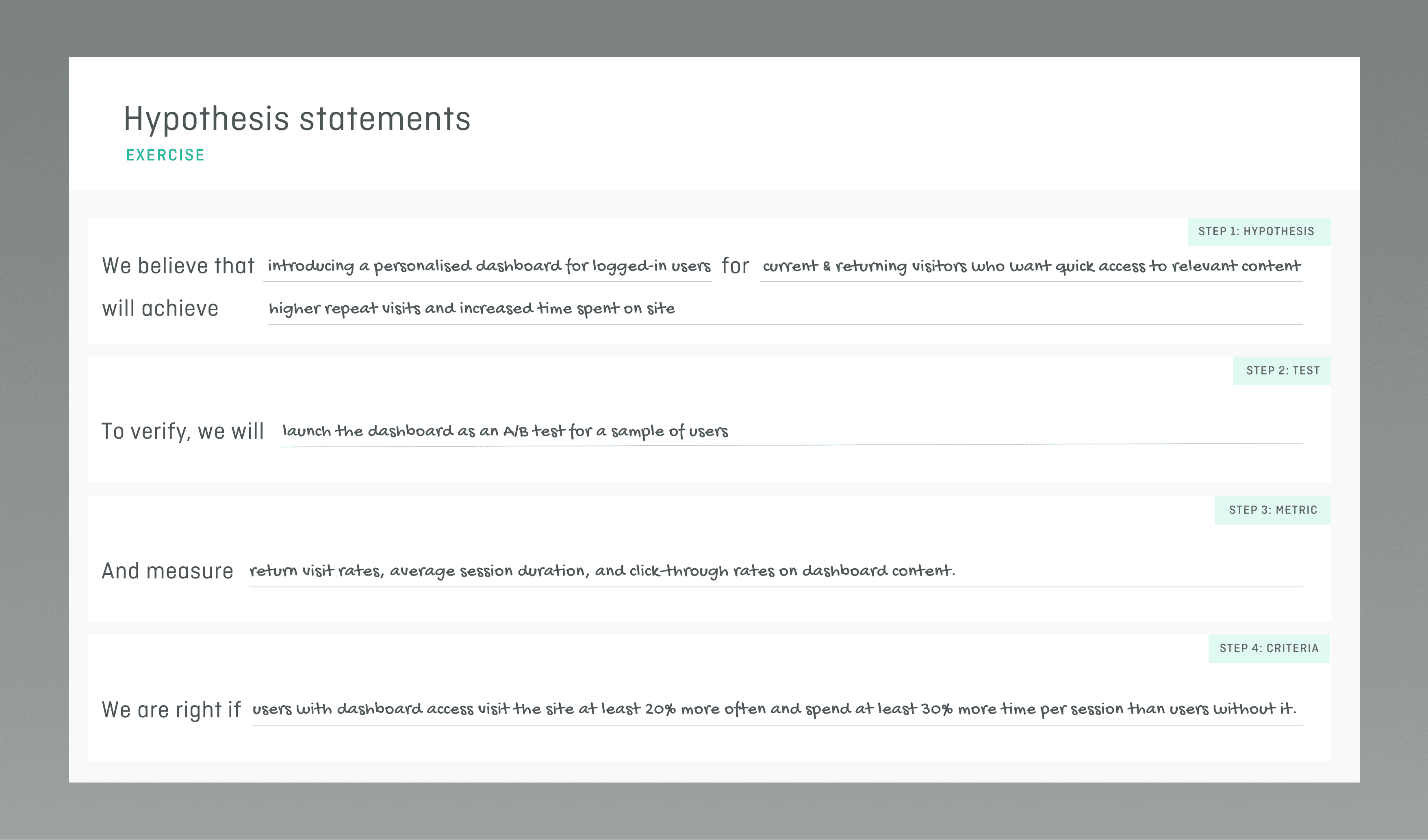
An iterative approach is central to this process. Instead of locking into a single idea, we create draft concepts, gather feedback, and refine continuously. This makes it easier to uncover usability issues early, when changes are far quicker and more economical. Iteration helps to build alignment between teams and ensures that the final product reflects user needs and expectations.


From vision to reality

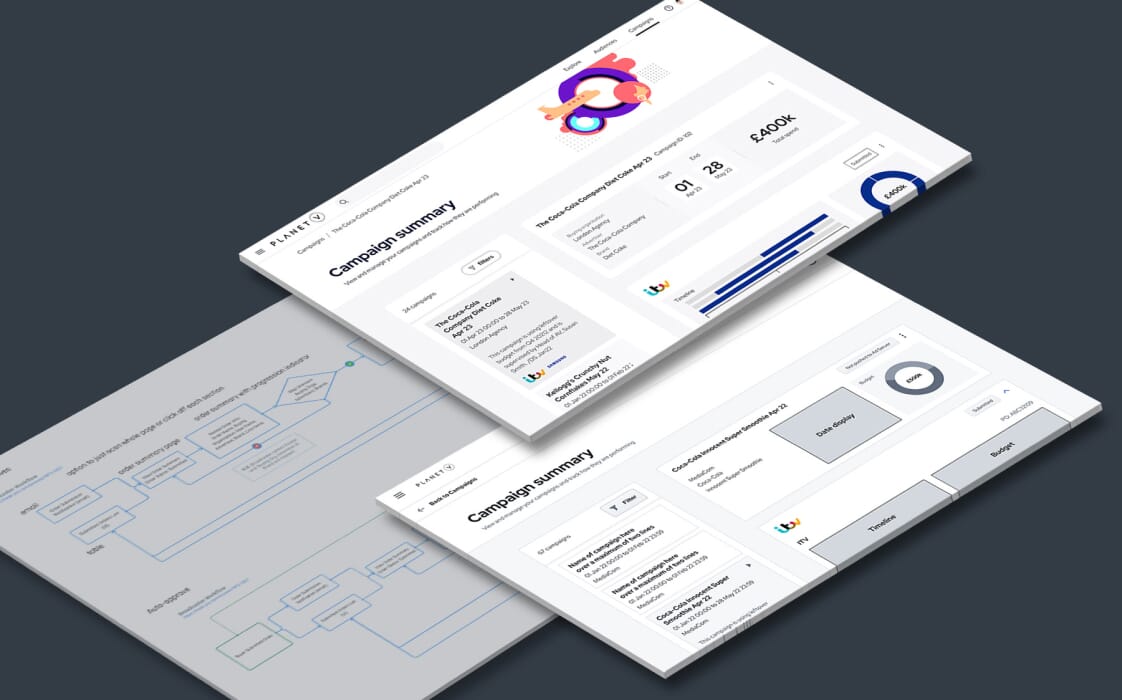
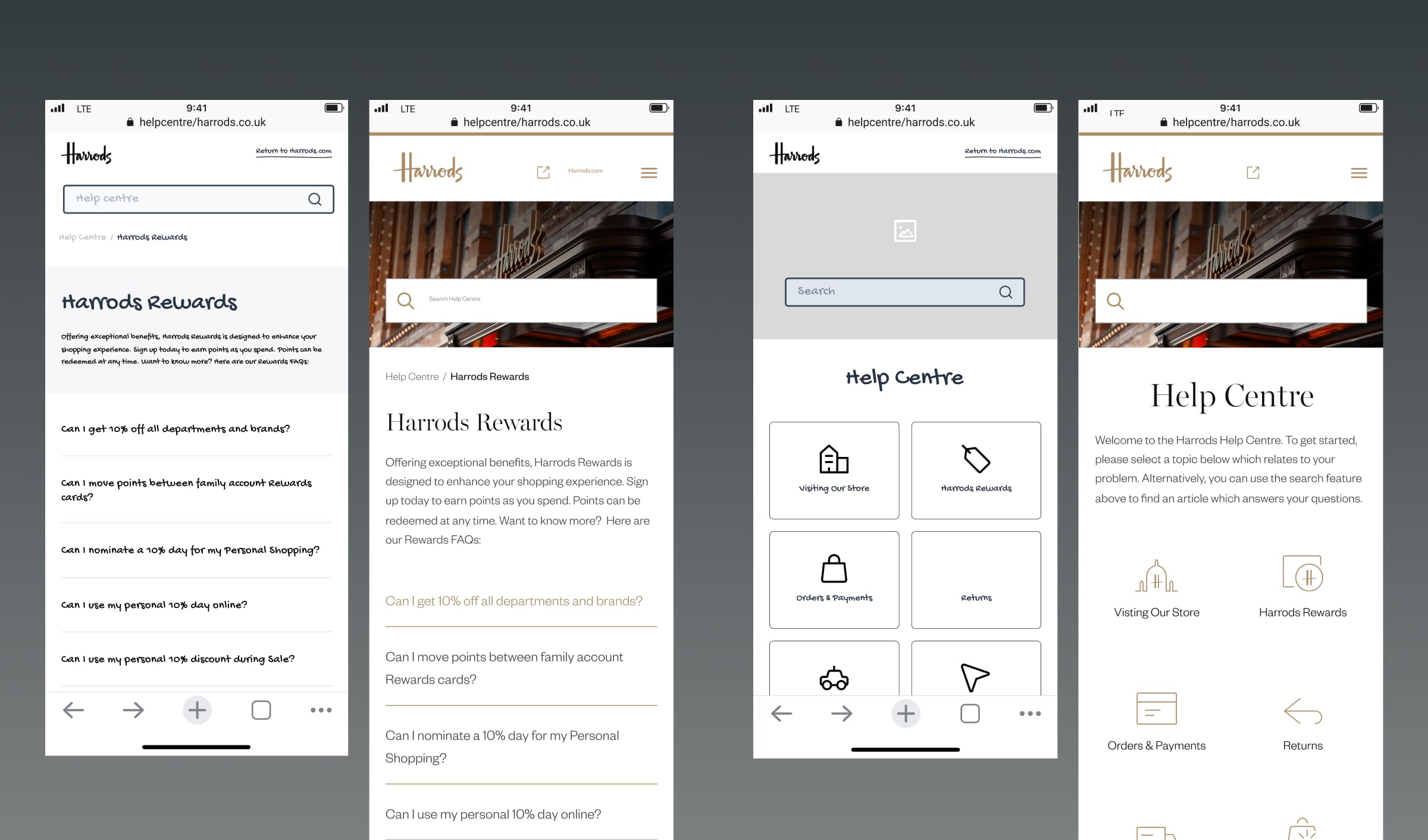
The process typically begins with low-fidelity wireframes. These capture structure, layout, and key journeys without the distraction of detailed visual elements. They are used to test usability, flow, and basic interactions. Once approved, UX designers typically develop more high-fidelity mockups that layer on typography, colour, imagery, and visual design. These prototypes represent the final look and feel of the product, while still being easy to adjust based on feedback.

Throughout the process, feedback loops are built in. Prototypes are shared with users and stakeholders to validate assumptions, uncover problems, and guide improvements. Once designs are refined and approved, detailed specifications and design systems are handed over to developers. 


Bringing research to life

Concept ideation transforms insights from earlier user research into more tangible outputs for stakeholders to see and ‘feel’. Rather than abstract discussions, teams can interact with and critique designs. This makes it easier to communicate design intent across disciplines and helps stakeholders visualise how the product will meet both business objectives and user expectations.

A key point to recognise is that concept designs are rarely “finished” in a single round. They evolve through cycles of testing and discussion and each new iteration brings the product closer to a final design that balances usability, aesthetics, and business requirements. 


Typical outcomes include:

  • Clear UX/UI concept designs that guide the direction of the product
  • Wireframes, mind maps and high-fidelity prototypes for testing and validation
  • Early identification of usability issues before development begins
  • Improved collaboration between stakeholders, designers, and developers
  • A design system or specification ready for handoff to development
  • Reduced risk of costly design changes later in the process

FAQs

Why does concept ideation matter?

UX concept ideation ensures that products are grounded in evidence and user needs from the outset. It bridges the gap between research and development, helping teams make confident decisions about design direction. By prioritising testing, iteration, and collaboration, concept ideation reduces risks and creates digital experiences that are both usable and engaging.


What is concept ideation in UX design?

Concept ideation processes involve turning research and ideas into visual UX designs such as wireframes and prototypes. It helps teams explore solutions, validate ideas, and refine designs before development.


What does the concept ideation process involve?

The process usually starts with low-fidelity prototypes to test structure and flow, followed by high-fidelity mockups that add visual design, early on in the overall UX design process. These outputs are iterated, tested, and refined until ready for development handoff.


Book a virtual coffee

Speak directly with our founders Ed and Jon about how we can help you on your Innovation or Transformation project.

Contact
Ed & Jon

Contact details

Find us

Cheyenne House
West Street
Farnham, Surrey
GU9 7EQ

Cheyenne House
West Street
Farnham, Surrey
GU9 7EQ

Contact form

Looking for a long term partner to support your business?

By browsing our website you agree to our cookie policy. You can opt-out anytime from our cookies page