Responsive design services

Responsive design is the foundation of modern digital experiences, ensuring that systems and applications look, feel, and function seamlessly across every device and screen size. From mobile devices and tablets to large desktop monitors, responsive design adapts layouts dynamically so that users can access content easily wherever they are. At Full Clarity, we see responsiveness not as an afterthought, but as an integral part of creating inclusive, accessible, and future-ready digital products.

UX Prototypes at Full Clarity

What is responsive design?

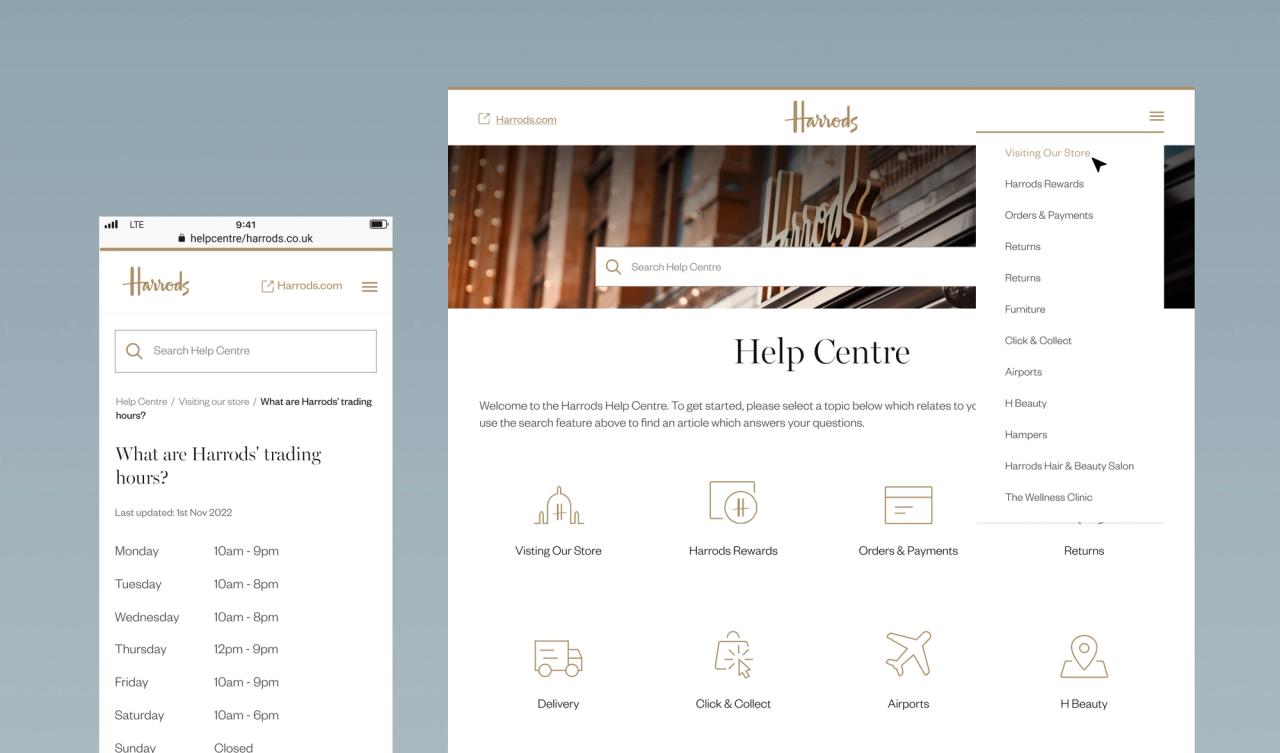
Responsive design is an approach to web and user interface design that allows layouts, images, and content to adjust automatically based on the user’s device, screen resolution, and orientation. Instead of designing for fixed widths, we design fluid frameworks that expand or contract gracefully.

The core principles behind responsive design include:

  • Fluid grids: flexible layouts built using relative units rather than fixed pixels.
  • Flexible images and media: visuals that resize and scale within their containers.
  • CSS breakpoints: predefined thresholds that trigger layout changes for different screen widths.
  • Mobile-first design: starting from the smallest screens to ensure clarity, simplicity, and performance before scaling up.

Together, these elements ensure that the user experience feels natural and consistent, whether viewed on a phone, tablet, laptop, or widescreen display.
Why responsive design matters

Users today move fluidly between devices. A product might first be discovered on a mobile ad, explored on a tablet, and finally used on a desktop. If the user experience breaks or feels inconsistent at any stage, user trust and engagement drop. Responsive design solves this by maintaining usability, readability, and brand consistency across every platform.

Beyond usability, responsive design has tangible business benefits. It supports accessibility standards by catering to users who zoom, scale, or use assistive technology. It also improves SEO performance, as search engines like Google favour mobile-friendly and responsive sites in their rankings. A responsive interface reduces maintenance effort by removing the need for separate mobile and desktop versions, simplifying content management and updates.


Our approach to responsive design

At Full Clarity, responsive design is woven into every stage of our UX design and UI design process. We begin by understanding who your users are, what devices they use most, and how their context shapes their experience. Insights from user research, analytics, and usability testing guide how we prioritise screen sizes and interaction patterns.

We begin by designing for the smallest relevant screen size, ensuring core content and key interactions work effectively before scaling up to larger breakpoints. Using tools like Figma and responsive design systems, we make sure every component, grid, and spacing adapts smoothly across devices. Close collaboration between designers and developers supports this process, with design specifications shared early to confirm that components behave correctly across multiple viewports and browsers.

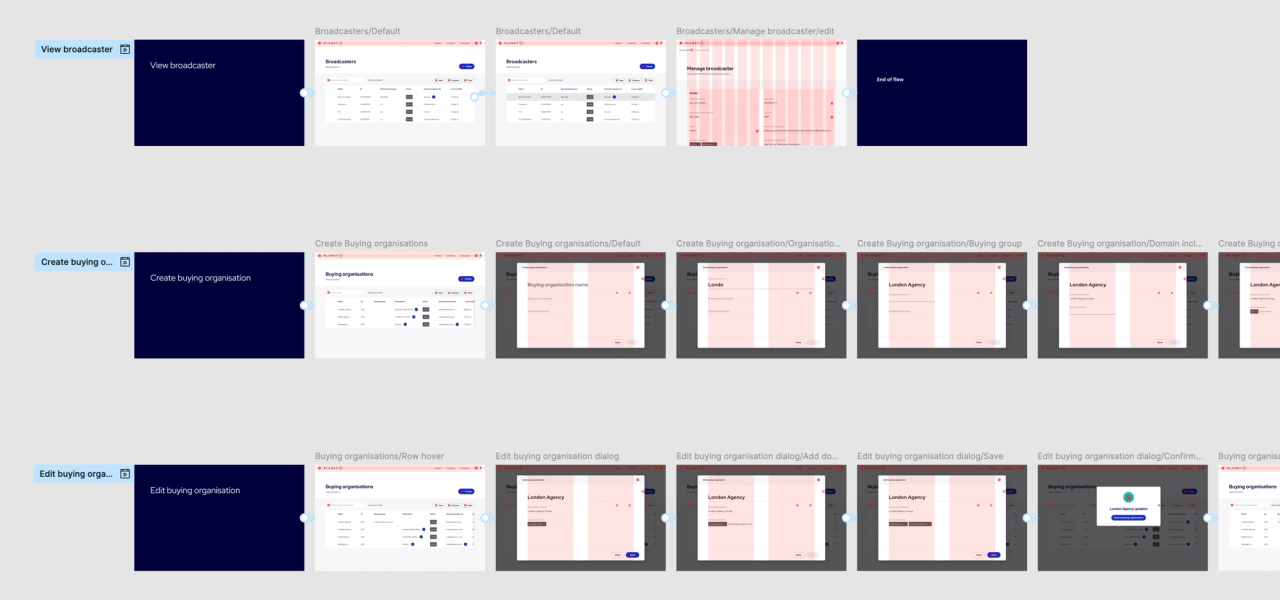
We also test prototypes across a range of devices and emulators, ensuring visual hierarchy, tap targets, and text scaling perform as expected. Accessibility testing complements this, helping verify that the product remains usable for all audiences.

Responsive design

Benefits and outcomes

Responsive design creates measurable improvements in both user experience and business performance. It reduces friction by providing clarity and consistency across all contexts, helping users achieve their goals easily. It also enhances the technical performance of your digital product by optimising images, reducing code duplication, and streamlining deployment pipelines.

Typical outcomes include:

  • Seamless, device-agnostic experiences across mobile devices, tablet, and desktop
  • Improved accessibility and compliance with WCAG guidelines
  • Consistent branding, hierarchy, and colour palettes across breakpoints
  • Reduced maintenance and development time using unified design systems
  • Higher engagement, lower bounce rates, and improved SEO visibility
  • Streamlined collaboration between design and development teams

Creating adaptable, future-ready experiences

Responsive design ensures that your digital product continues to perform beautifully as technology, devices, and user behaviours evolve. By integrating responsive design from the outset, Full Clarity helps businesses deliver consistent, high-quality experiences that meet customer needs today and adapt seamlessly to the devices of tomorrow.

FAQs

What is responsive design in UX and UI?

Responsive design is an approach to UX design and UI design that ensures apps and digital products adapt fluidly to different screen sizes, orientations, and devices. It focuses on usability, accessibility, and visual consistency, so that users enjoy the same quality of experience whether they’re on a mobile, tablet, or desktop.

Why is responsive design important for businesses?

A responsive design improves accessibility, search rankings, and customer satisfaction. It helps businesses reach users on any device without maintaining separate versions of their site, reducing development time and ongoing maintenance costs while improving engagement and conversion rates.


How does Full Clarity approach responsive design?

We combine UX research, mobile-first design, and collaborative development practices to ensure every component works across devices. Our process includes prototype testing on multiple viewports, accessibility audits, and the use of design systems to maintain visual and functional consistency.

Does responsive design improve SEO?

Yes. Search engines prioritise mobile-friendly and responsive websites in their results. A responsive design improves page performance, accessibility, and usability, all key factors in search ranking.

Book a virtual coffee

Speak directly with our founders Ed and Jon about how we can help you on your Innovation or Transformation project.

Contact
Ed & Jon

Contact details

Find us

Cheyenne House
West Street
Farnham, Surrey
GU9 7EQ

Cheyenne House
West Street
Farnham, Surrey
GU9 7EQ

Contact form

Looking for a long term partner to support your business?

By browsing our website you agree to our cookie policy. You can opt-out anytime from our cookies page