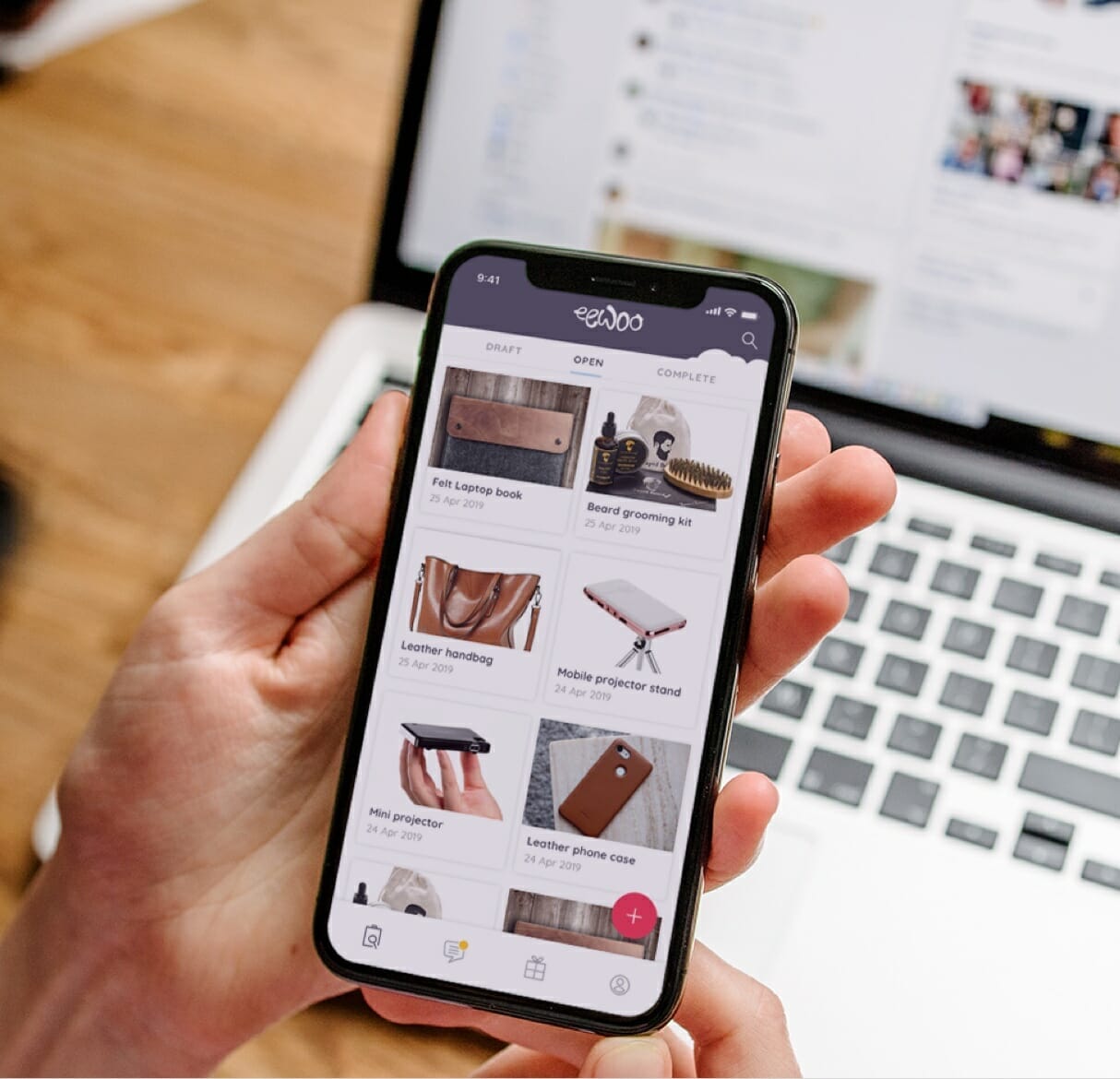
From ideas to interactions
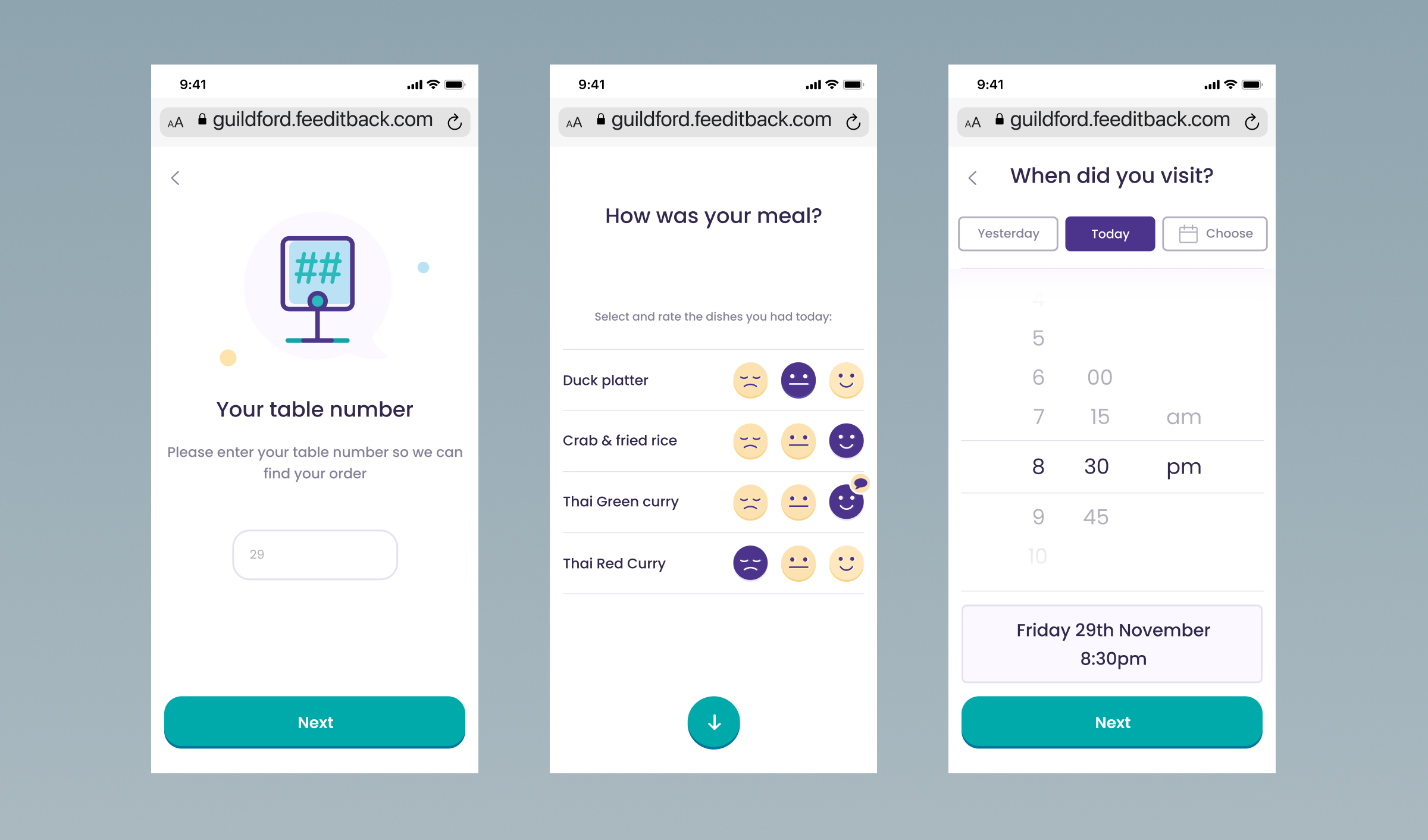
This is the process of rapidly designing a clickable, interactive prototype to test the viability of a product. We use rapid prototypes to explore key user journeys and gather feedback so the design can be refined. It is an effective way to understand what works well and where modifications are needed to improve the user experience.
Without prototype testing and early validation, it is easy to overlook usability issues, which can be costly if not identified before development. Rapid prototyping also supports an iterative approach, where each version builds on the last to create continuous improvements. The process saves both time and costs compared to building a full product, while also reducing risk by uncovering potential flaws early. Just as importantly, prototypes give clients and stakeholders a realistic view of how the product will work in practice, helping them understand the design direction and align on decisions without the need for code. They make ideas tangible, improving communication between stakeholders, clients, and development teams. They also keep the focus on user needs, increasing the likelihood of delivering a product that is intuitive and user-friendly.