Markup testing services

Markup tests help ensure that the underlying structure of a digital interface is sound, consistent, and accessible. They validate the quality of the HTML that sits beneath the visual design, confirming that components render correctly, follow semantic best practices, and remain stable as a product evolves. At Full Clarity, we help organisations establish practical markup testing processes that improve front end quality and reduce regressions across their digital products.

What markup testing involves

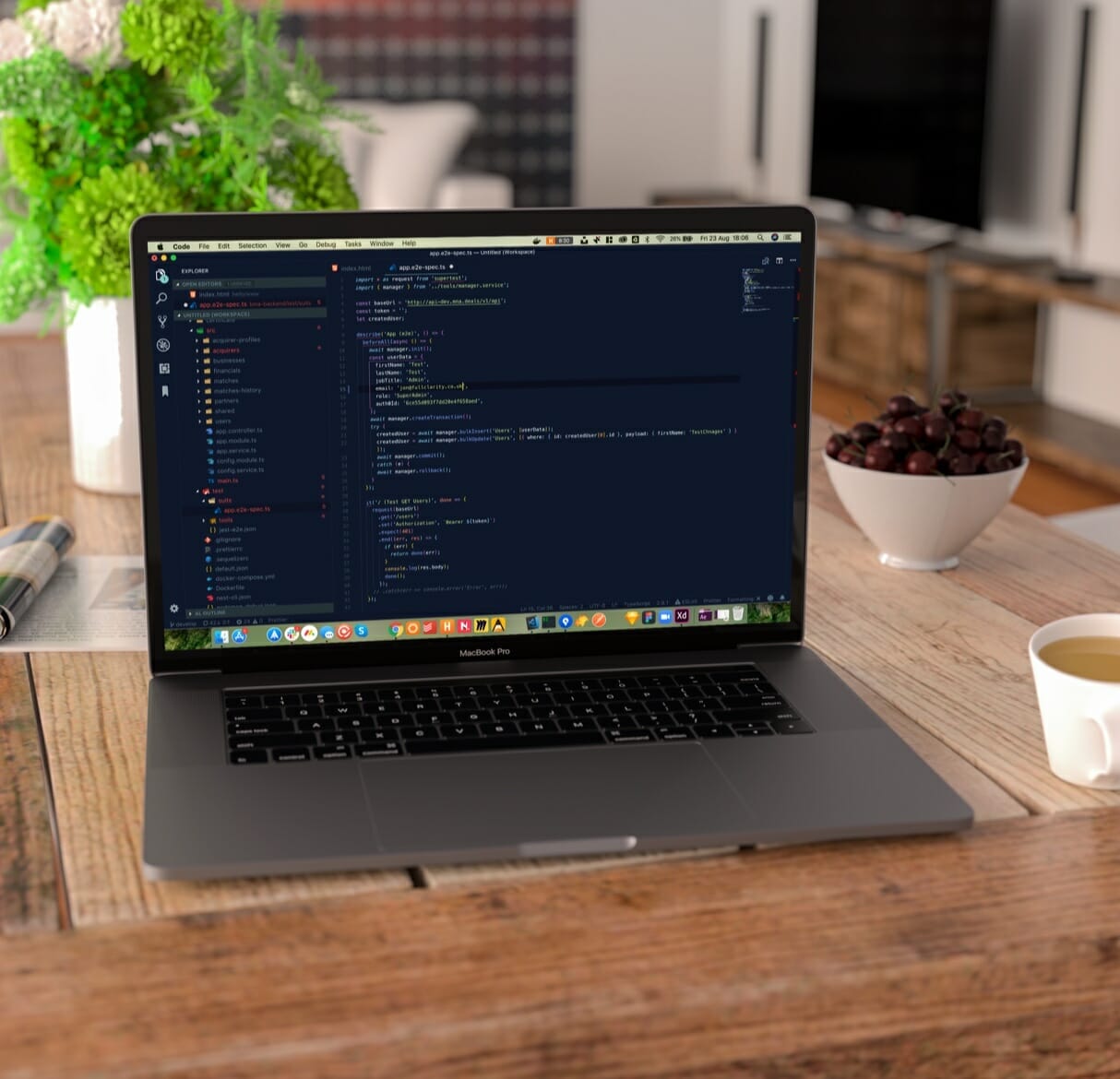
Markup tests check that the HTML output of a component or page meets certain standards. They focus on the structure, attributes, roles, and semantic elements that support correct rendering and accessibility. These tests help teams avoid issues caused by incorrect tags, invalid nesting, missing attributes, redundant roles, or inconsistencies in how components are implemented.

A good markup testing approach complements frontend development by highlighting issues that visual inspection alone may miss. We help teams set suitable markup testing criteria that align with their design system, coding standards, and accessibility requirements.

Why strong markup matters

Even small markup errors can create significant issues for users. Incorrect semantics can break accessibility. Invalid structure can cause layout instability across devices. Missing ARIA attributes can block assistive technology. Inconsistent component markup can lead to unpredictable behaviour when the product scales.

Markup tests reduce these risks by catching issues early and helping teams maintain quality as the codebase grows. This stability supports smoother collaboration between design, frontend engineering, and QA. Full Clarity helps organisations apply markup testing within their workflow so that component structure is reliable and intentional, not left to chance.

Where markup tests fit into the workflow

Markup tests are useful throughout the delivery process. They are often introduced during component development, where they act as an early signal that a pattern is implemented correctly. They are also used during integration, when templates or shared components are updated, and during pre-release checks as part of a continuous integration pipeline.

The impact of better markup testing

Effective markup testing leads to more stable interfaces, clearer component behaviour, and fewer regressions across releases. It supports consistent implementation of design system components, strengthens accessibility foundations, and reduces the time spent fixing issues late in development.

Typical outcomes include:

  • More reliable frontend components that behave consistently
  • Improved accessibility compliance due to stronger semantic structure
  • Fewer regressions caused by template or component changes
  • Clearer alignment between design system patterns and engineering output
  • Reduced QA cycles through early detection of structural issues
  • Greater confidence in the stability and maintainability of the interface

Markup testing helps organisations build more resilient interfaces by focusing on the underlying structure that supports every visual layer. By integrating markup tests as part of wider UX and delivery practices, Full Clarity help teams maintain quality as their products evolve and grow.

FAQs

Do we need markup tests if we already do visual QA?

Yes. Visual QA catches surface-level issues, but markup tests uncover structural problems that are often invisible. They help prevent accessibility failures, unstable layouts, and regressions that visual checks alone cannot detect.

Can markup tests work even if we do not have a full design system?

They can. A design system strengthens markup testing, but it is not required. Full Clarity can help you define clear markup standards, even for teams without a formal design system, so that components remain consistent as the product grows.

How involved is the setup process for markup testing?

It depends on your workflow, but most teams can introduce markup tests with minimal disruption. Full Clarity help assess your tooling, define realistic criteria, and integrate tests into your current pipeline without adding unnecessary complexity.

Book a virtual coffee

Speak directly with our founders Ed and Jon about how we can help you on your Innovation or Transformation project.

Contact
Ed & Jon

Contact details

Find us

Cheyenne House
West Street
Farnham, Surrey
GU9 7EQ

Cheyenne House
West Street
Farnham, Surrey
GU9 7EQ

Contact form

Looking for a long term partner to support your business?

By browsing our website you agree to our cookie policy. You can opt-out anytime from our cookies page