Journey mapping

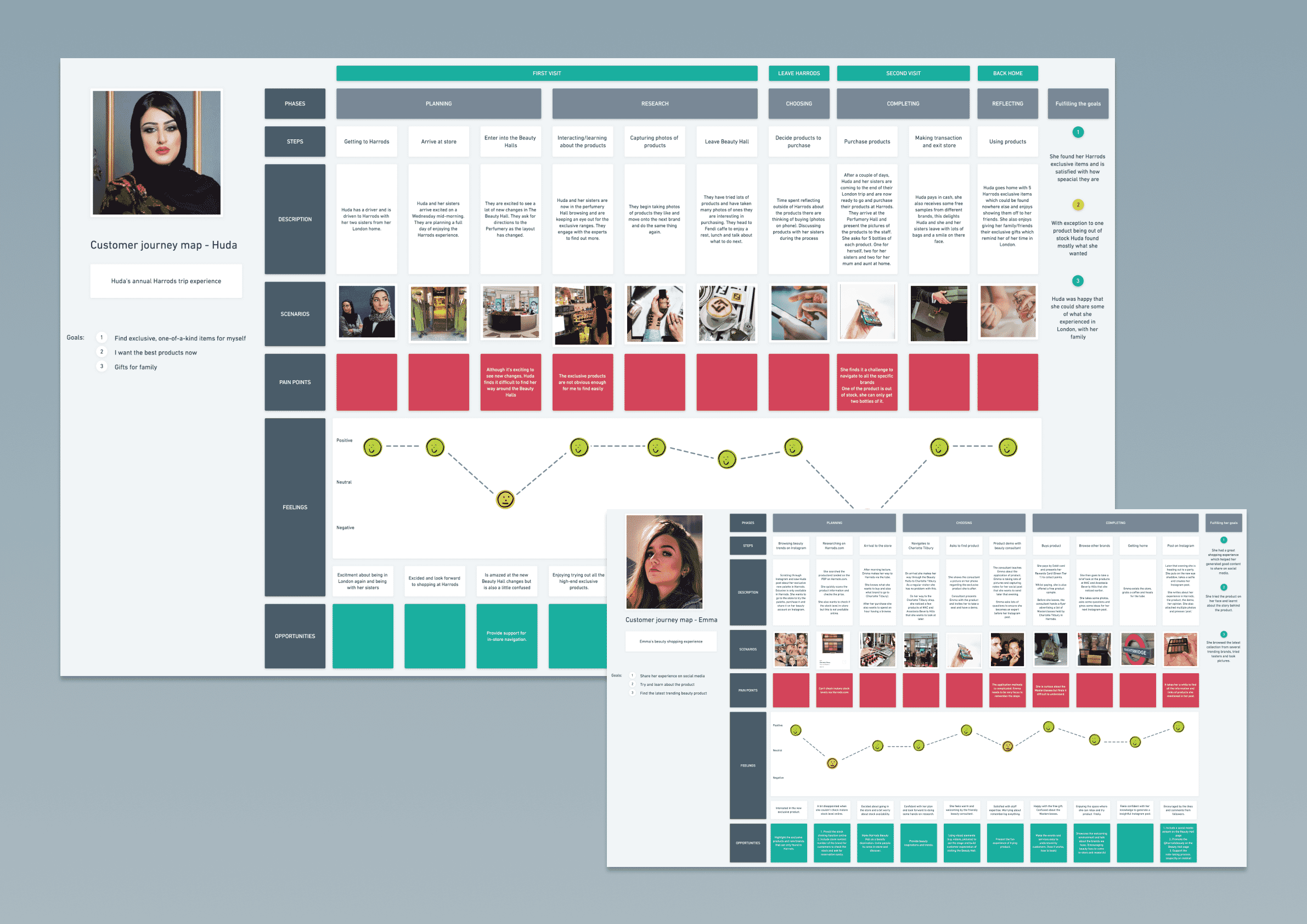
Journey mapping is a practical, visualisation method for understanding a user’s end-to-end experience with a product or service. The aim is to explore how users move through your service, what they feel at each step, and where there are opportunities to improve the customer journey.

This work often draws on user research, including interviews and observations, and helps teams make sense of how people interact with a product over time. A journey map isn’t just about what a user does on a screen. It captures their full experience, including actions before and after using the service, and the touchpoints, digital or otherwise, that shape their perception.

Why create a user journey map?

When built around a specific user persona and scenario, a user journey map gives clear visibility into how someone navigates a task, service or process. This makes it easier to spot gaps, breakdowns, or emotional high and low points across the customer journey. It helps align teams around a shared view of what users actually go through, reducing assumptions and focusing attention where it matters.

We typically create user journey maps to support redesign efforts, uncover unmet needs, or prioritise features. They’re also valuable at earlier stages to get stakeholder buy-in, guide discovery work, or identify pain points that aren’t obvious from analytics alone.

Our approach to journey mapping

Each journey mapping exercise starts by defining the type of customer journey to focus on. This might be a new user onboarding flow, a cross-channel support experience, or a subscription upgrade journey within a SaaS platform. We work closely with your team to determine which journeys to map, who they are for, and what business questions they need to answer.

From there, we build a clear framework based on user personas, behavioural patterns, and real-world context. We often use insights from previous research, such as usability testing or stakeholder interviews, to shape the map. Where gaps exist, we can conduct additional user research to ensure the map is grounded in real user behaviour.

Practical outcomes and value

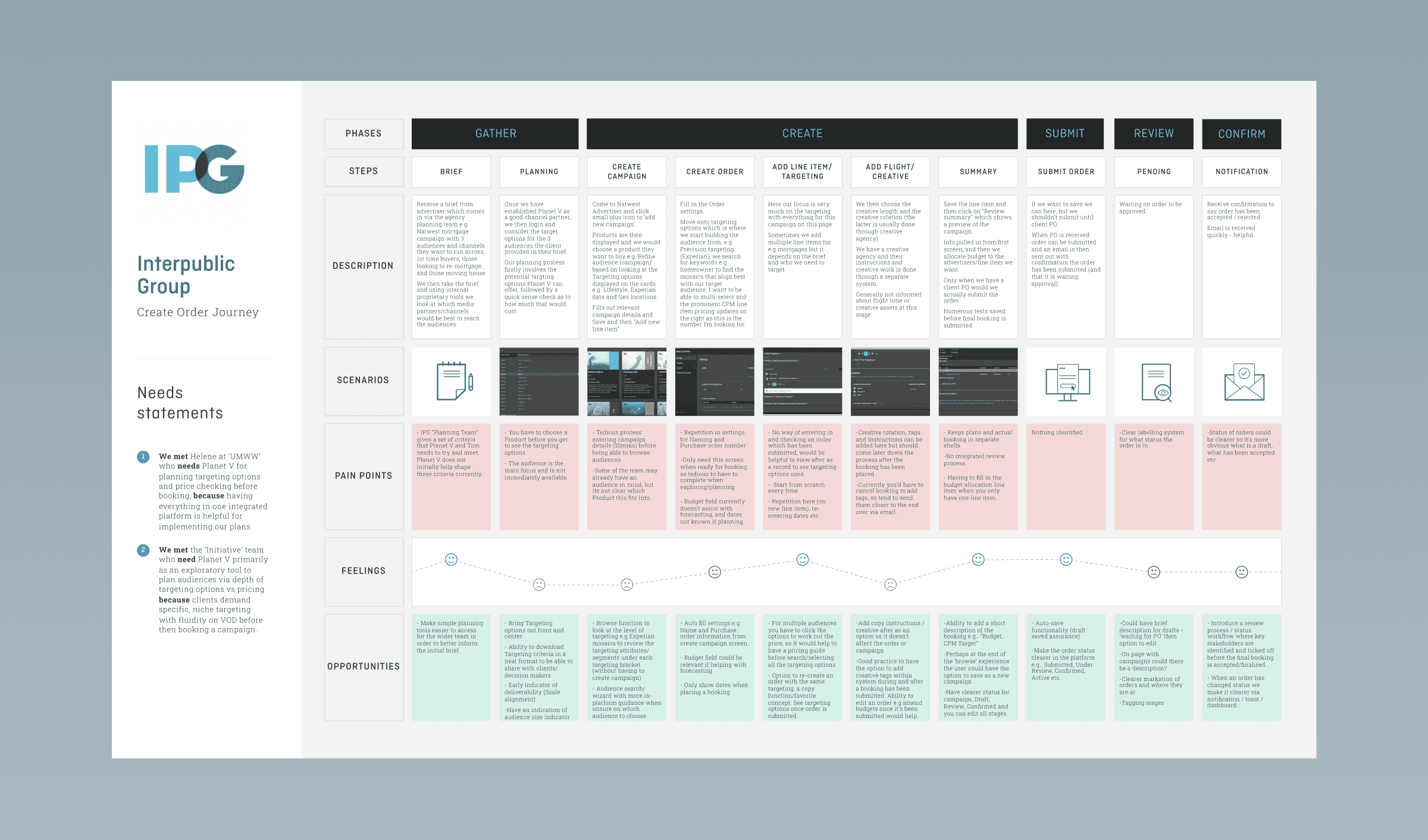
Journey mapping creates shared clarity across teams. It helps surface inconsistencies, bottlenecks and invisible effort that users experience. These outputs are not just visual diagrams, they’re also tools to support decision-making, guide service improvements and justify design priorities.

Typical outcomes include:

  • Clear visibility of the full customer journey, from start to finish
  • Evidence-based insight to improve specific pain points
  • Stronger alignment across internal teams and departments
  • Opportunities to improve handoffs and reduce user frustration
  • A clearer link between design decisions and real-world impact
  • Foundation for future iterations or service blueprints

In some cases, the journey mapping work feeds directly into service design or transformation projects. In others, it lays the groundwork for future research, such as usability testing or product experimentation.

When to use journey mapping

Journey mapping is useful at many stages of a product or service’s lifecycle. It’s often part of:

  • Early-stage discovery to understand the current state
  • Service redesign projects
  • Cross-channel experience reviews
  • Product vision alignment workshops

Where needed, we can tailor the depth and format of the journey map to meet the needs of different audiences.


FAQs

What is journey mapping, and why is it useful?

Journey mapping is the process of visualising a user’s end-to-end experience with a product or service. It helps teams understand the customer journey by breaking it down into individual touchpoints, emotions, actions and pain points. A well-crafted user journey map brings clarity to complex experiences, making it easier to identify where improvements are needed and how to prioritise them.

When should we use journey mapping in a project?

Journey mapping is especially helpful at the start of a discovery or redesign phase, when teams need to understand the current customer journey or align on what’s not working. It’s also valuable mid-project when teams are struggling to prioritise features, or when service changes risk breaking parts of the user journey. The technique is flexible enough to support early strategy, detailed UX planning, or service-wide transformation work.


What’s the difference between a journey map and an Experience Map?

A user journey map typically focuses on a specific user persona and task, like onboarding, upgrading a subscription, or completing a purchase. An Experience Map is broader and often looks at the entire lifecycle of the customer journey, across multiple systems and departments. Both tools are useful depending on the scope of the work, and we sometimes use them in tandem.


What input do you need to create a meaningful user journey map?

Strong journey mapping relies on a mix of user research and stakeholder insight. This might include findings from usability testing, user interviews, customer feedback, or analytics. Where needed, we conduct fresh research with real users to understand their goals, behaviours, and pain points. This ensures the map is based on actual experience, not assumptions.

Book a virtual coffee

Speak directly with our founders Ed and Jon about how we can help you on your Innovation or Transformation project.

Contact
Ed & Jon

Contact details

Find us

Cheyenne House
West Street
Farnham, Surrey
GU9 7EQ

Cheyenne House
West Street
Farnham, Surrey
GU9 7EQ

Contact form

Looking for a long term partner to support your business?

By browsing our website you agree to our cookie policy. You can opt-out anytime from our cookies page