Documentation services

Documentation gives teams the clarity they need to understand how a product works and how it should evolve. It captures the decisions, patterns, and structures that sit behind the interface, making it easier for teams to build, maintain, and scale. At Full Clarity, we help organisations create practical documentation that reduces ambiguity, strengthens collaboration, and supports predictable delivery.

UI-Design-Lead-UX-Developer

Why documentation matters for digital products

As products grow, they naturally become more complex. New features introduce new components, design systems expand, and workflows shift over time. Without clear documentation, this complexity becomes difficult to manage. Teams begin to rely on individual knowledge, small differences in implementation appear, and the product gradually becomes harder to maintain.

Documentation provides a shared reference point. It helps designers, engineers, and product teams understand the intended structure and behaviour of the system, as well as the reasoning behind key decisions. It also aligns expectations across disciplines so that work is delivered consistently and predictably.
Where documentation often breaks down

Documentation tends to fall behind when teams move quickly or when roles and responsibilities are unclear. It may be scattered across different tools, stored in outdated files, or embedded in local knowledge that only a few people hold. In other cases, documentation exists but is difficult to use because it does not reflect current practice or requires too much effort to keep updated.

This leads to inconsistencies in component behaviour, confusion about design intent, and regressions caused by misunderstandings. It also increases the effort required to onboard new team members and makes it harder for teams to work together effectively.

What good documentation looks like

Good documentation is practical, succinct, and directly tied to the way a product is built. It reflects real workflows rather than adding extra process. It explains how components should be used, how states behave, what constraints matter, and what patterns support accessibility. It also captures the reasoning behind decisions so teams understand not only what to do, but why it matters.

Strong documentation is easy to update and designed to evolve as the product grows. It provides clarity without becoming heavy or prescriptive, helping teams stay aligned even as new features are introduced.

How Full Clarity support documentation work

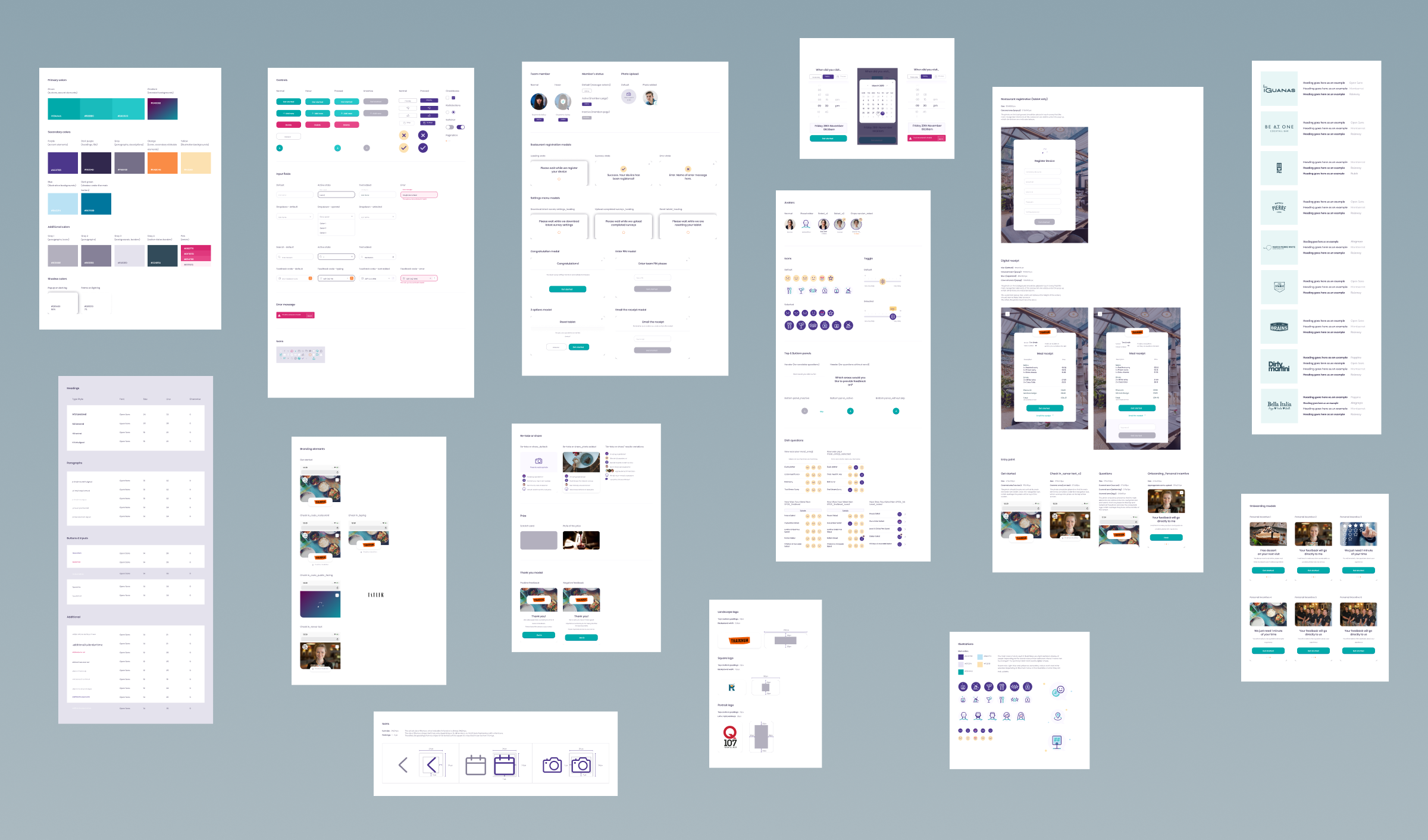
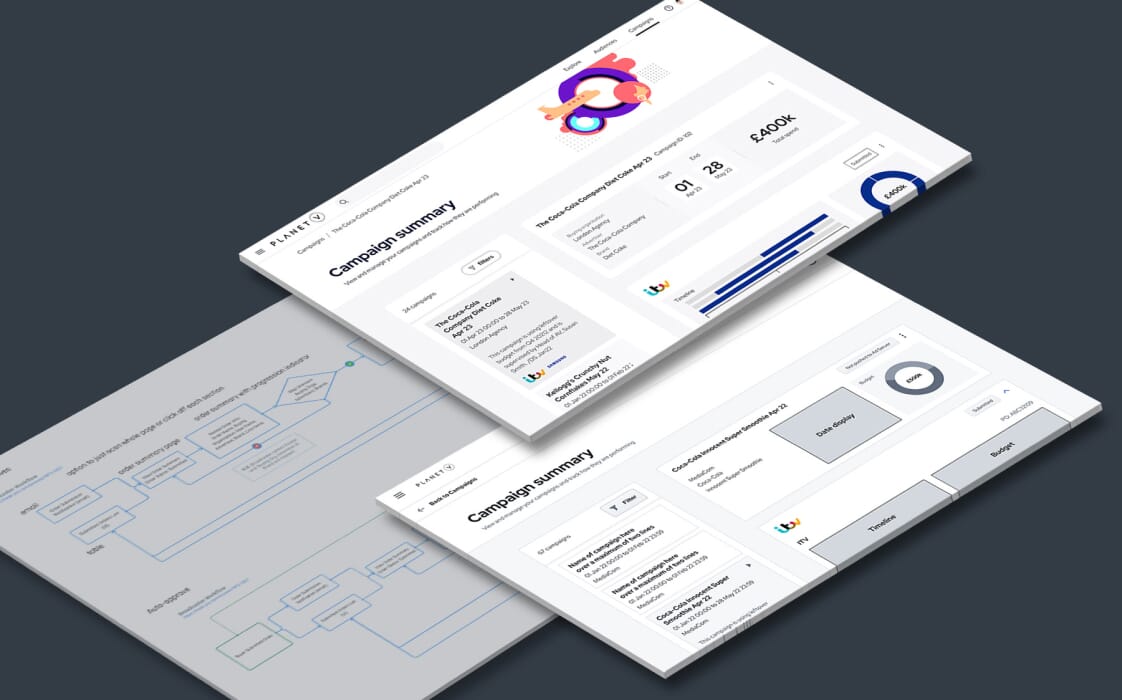
Full Clarity help organisations create documentation that integrates naturally into their existing delivery process. We begin by reviewing what documentation already exists, where the gaps are, and how the current product structure contributes to confusion or inconsistency. From there, we work with designers and engineers to shape clear, usable material that reflects the product as it is built today.

This often includes documenting components, design system patterns, naming conventions, interaction behaviours, accessibility expectations, and technical guidelines. We also help define processes for keeping documentation up to date so it remains relevant and does not become a burden for the team. The goal is to support clarity and collaboration without introducing unnecessary overhead.

Documentation as part of long-term product health

Documentation plays an important role in the long-term stability of a product. It helps teams understand the structure of the system, reduces the cost of change, and provides a framework for making informed decisions. It also supports onboarding by giving new team members a clear starting point, and it strengthens collaboration by removing uncertainty about how components and patterns should be used.

For teams adopting or expanding a design system, documentation forms the backbone of how patterns are shared, governed, and implemented. For teams modernising legacy systems, documentation becomes a way to uncover hidden complexity and guide future improvement work.

Scenarios where documentation adds the most value

Documentation has the greatest impact when organisations are growing quickly, scaling across multiple teams, or dealing with a product that has evolved without clear structure. It is also valuable during redesigns, replatforming work, or when establishing a component library or design system. In each of these scenarios, documentation helps reduce inconsistencies and create a more predictable and maintainable product.

Benefits and outcomes

Clear documentation improves alignment, reduces rework, and gives teams confidence in their ability to maintain and extend the product. It supports consistent implementation, strengthens design system usage, improves onboarding, and helps teams work together more effectively. Over time, this leads to a product that is easier to scale, easier to update, and more resilient to organisational change.

FAQs

What types of documentation can Full Clarity help with?

We support component documentation, design system guidelines, naming conventions, interaction behaviours, accessibility expectations, and technical decision records. The focus is always on clarity and practical use.

How do we keep documentation up to date once it has been created?

We help teams establish simple, sustainable processes for maintaining documentation. This may include review cycles, ownership guidelines, and patterns that make updates easy to fit into everyday work.

Do we need a design system in place before improving our documentation?

No. Clear documentation can be created before, during, or after building a design system. It often forms the foundation that makes a design system easier to adopt.

Book a virtual coffee

Speak directly with our founders Ed and Jon about how we can help you on your Innovation or Transformation project.

Contact
Ed & Jon

Contact details

Find us

Cheyenne House
West Street
Farnham, Surrey
GU9 7EQ

Cheyenne House
West Street
Farnham, Surrey
GU9 7EQ

Contact form

Looking for a long term partner to support your business?

By browsing our website you agree to our cookie policy. You can opt-out anytime from our cookies page