Problem framing

Problem framing is the process of defining and understanding the core challenges and objectives in a project, providing a clear direction for problem-solving efforts, borne out of design thinking principles.

Understanding the problem

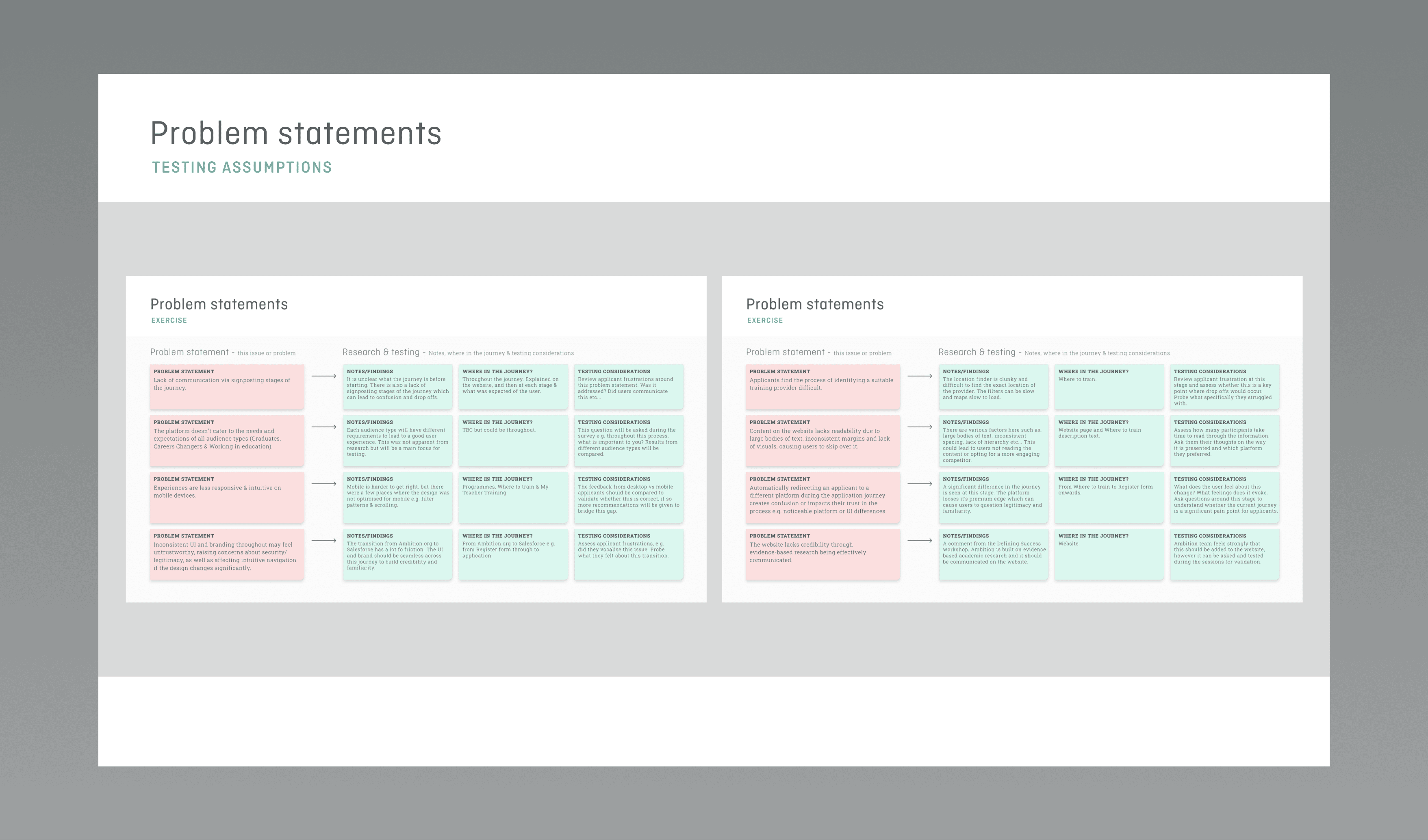
Problem framing is a critical phase in the UX design, and overall product development process. It involves defining and understanding the core issues or challenges that a design project aims to address. By framing the problem accurately, we can ensure we focus on the right areas and create solutions that truly meet user needs. Without this step, there is a risk of designing a solution that does not benefit the business or is not directly relevant to the user.

If business problems are overlooked, it becomes harder to drive growth, improve operations, or build customer loyalty. If customer needs are ignored, the product will fail to address real user problems and lack empathy. A strong problem framing session balances both perspectives, ensuring the design process delivers value for the organisation and a positive customer experience.

Deciding what to solve now vs later

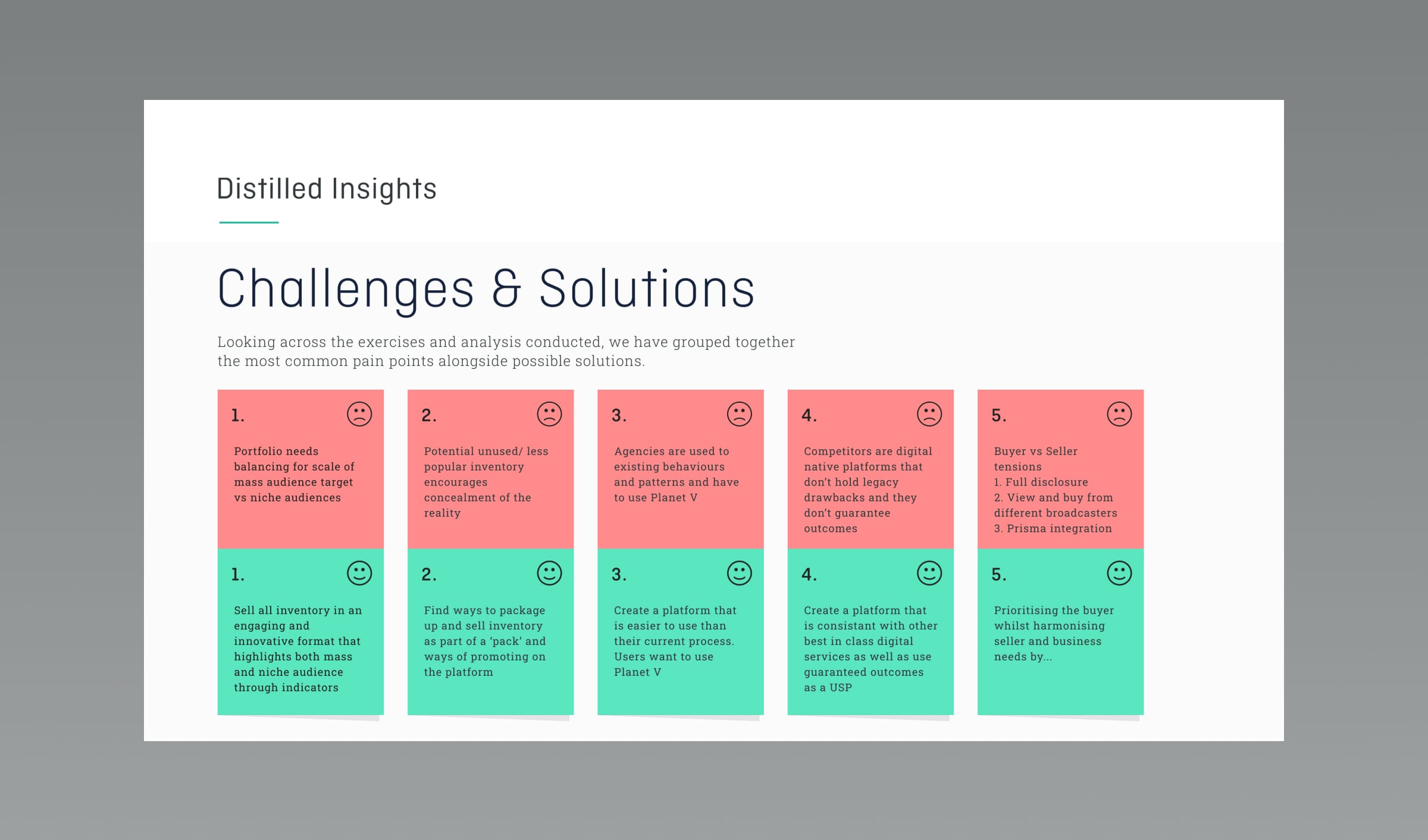
Another key part of this workshop is understanding when certain problems should be addressed. It is unrealistic to solve all issues for the minimum viable product (MVP), as this often means spreading resources too thin and solving nothing thoroughly.

To avoid this, we discuss which problems occur most frequently and how severe they are. For example, in a retail business, a high-severity challenge might be that users frequently abandon checkout due to confusing payment steps. A lower-priority issue might be minor inconsistencies in button styling. Prioritisation creates a long-term roadmap that outlines when each challenge will be tackled. This ensures that during the define and design phases, we can dedicate focused attention and resources to solving the most critical problems first.

Hearing from the experts

The problem framing workshop is a collaborative brainstorming session that brings together stakeholders, designers, and other relevant team members to define and understand the core problem a project aims to address. We have built the workshop based on our experience and best practices, guiding participants through a structured process to uncover key challenges.


Business vs user challenges

When exploring business challenges, we aim to capture issues that, if solved, could lead to significant improvements in operations, performance, or innovation. These might include inefficiencies in internal workflows, costly errors in data entry, or missed market opportunities.

In the user challenges section, we focus on problems from the customer’s perspective. This shift helps teams avoid assumption-driven decisions. Examples might include users struggling to find important information, confusion during onboarding, or frustration with slow-loading pages. Identifying and addressing these issues can increase empathy, improve user satisfaction, and provide a competitive advantage through a better overall customer experience.


Long vs short term goals

By the end of the workshop, there is often a long list of challenges. To make sense of them, we chart the frequency and severity of each. This allows us to see priorities clearly and distinguish between short-term actions and long-term ambitions. This exercise is not only useful for shaping the MVP but also for creating a vision for future product iterations and strategic planning.


From pain points to solutions

By the end of the workshop, the team will have a shared understanding of the problem space, helping to make informed decisions at the moments they matter most. 

Problem framing is not a one-time exercise. It evolves as new customer insights and feedback emerge. Taking a thoughtful, structured approach at the outset builds a strong foundation for the entire UX strategy, increasing the chances of creating impactful, user-centred solutions.


Typical outcomes include

  • A clearly defined problem statement that aligns with both business goals and user needs, strengthening your value proposition
  • A prioritised list of challenges, distinguishing between MVP requirements and future enhancements
  • A shared understanding among stakeholders of the problem’s scope and impact
  • A roadmap for addressing challenges in order of severity and frequency
  • Greater empathy for users, leading to improved customer experience
  • A more focused and effective design process that supports long-term business success

FAQs

Why is problem framing important in the design process?

Problem framing ensures the team is solving the right problems. By aligning business goals with user needs, it creates focus, prevents wasted effort, and builds a strong foundation for effective solutions.


What happens during a problem framing workshop?

We bring stakeholders together to identify business and user challenges, assess their frequency and severity, and prioritise which to solve first. The output is a clear, agreed problem statement and a roadmap for the design process.


How does problem framing help with MVP planning?

It prevents overloading the MVP with too many changes at once. By prioritising the most critical challenges, we focus on what will have the greatest impact now while keeping a clear plan for future improvements.


Book a virtual coffee

Speak directly with our founders Ed and Jon about how we can help you on your Innovation or Transformation project.

Contact
Ed & Jon

Contact details

Find us

Cheyenne House
West Street
Farnham, Surrey
GU9 7EQ

Cheyenne House
West Street
Farnham, Surrey
GU9 7EQ

Contact form

Looking for a long term partner to support your business?

By browsing our website you agree to our cookie policy. You can opt-out anytime from our cookies page