​​Security reviews

Security reviews provide a structured assessment of a web application’s codebase to identify vulnerabilities, reduce risk, and strengthen resilience. As products evolve, new features, integrations, and architectural changes can introduce unintended weaknesses. A security review helps teams understand where exposure exists and what practical steps will reduce risk without disrupting delivery. At Full Clarity, we review backend and frontend code against recognised OWASP best practices, informed by our experience preparing products for external penetration testing.

What security risk looks like in practice

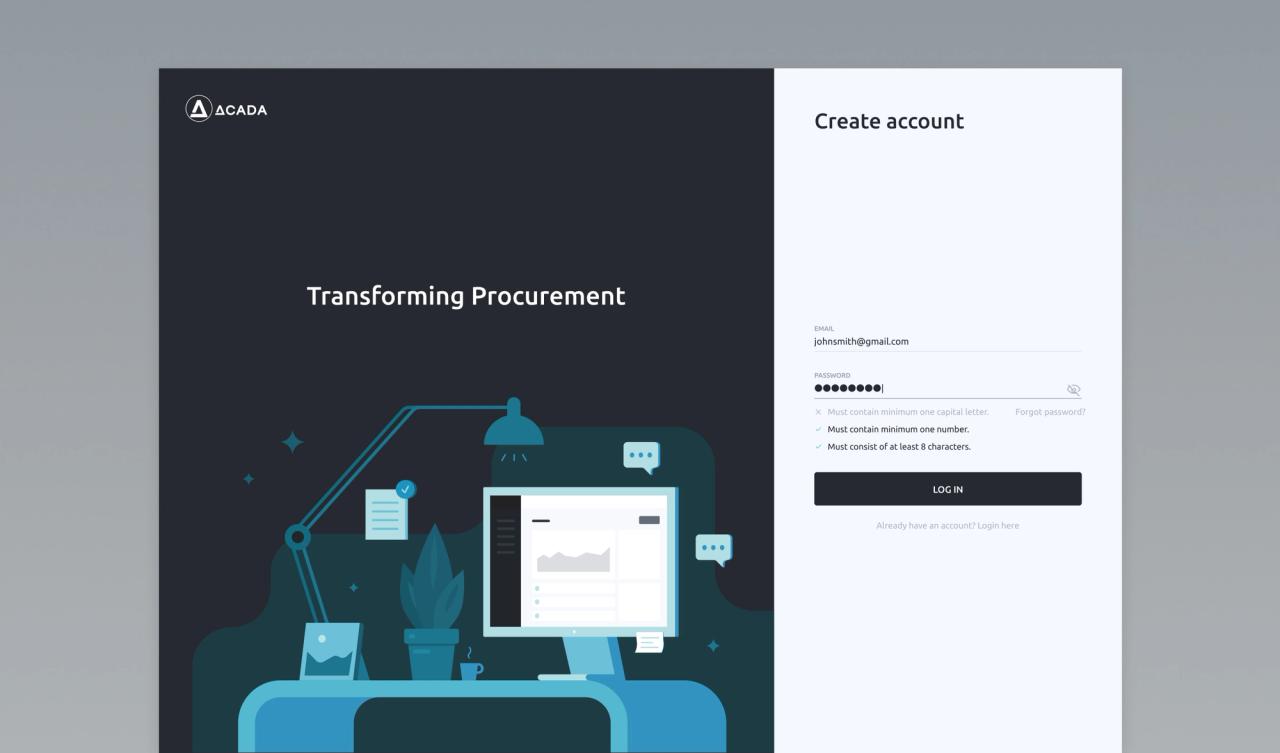
Security issues rarely present themselves as obvious failures. More often, they appear as inconsistent validation, overly permissive access controls, unclear authentication logic, or frontend rendering patterns that expose sensitive data. These issues may not cause immediate problems, but they increase the likelihood of problems over time.

Common areas of risk include input handling, session management, API authorisation, and dependency vulnerabilities. As systems grow, small compromises in structure or validation can accumulate. A security review surfaces these patterns and clarifies which areas require attention.
Why structured security reviews matter

Many teams rely on automated scanning tools or defer security checks until a formal penetration test. While these approaches have value, they can leave gaps. Automated tools do not always capture implementation nuances, and penetration testing often occurs late in the cycle, when remediation becomes more expensive.

A structured review provides earlier visibility. It enables teams to address vulnerabilities methodically rather than reactively. By reviewing the codebase directly and assessing how patterns are implemented, organisations can reduce the likelihood of high-severity findings and improve overall system stability.

What a security review involves

A security review examines both backend and frontend components. On the backend, this includes reviewing authentication flows, role-based access logic, input validation, data exposure risks, and API protections. On the frontend, it involves assessing rendering patterns, data handling, and common vulnerability classes such as cross-site scripting.

We review implementation details against OWASP guidance and established vulnerability categories. Our experience supporting products that have undergone external penetration testing provides additional context. We understand how vulnerabilities are typically identified and assessed by security specialists, which helps focus the review on high-impact areas.

Each issue identified is assessed across two dimensions. First, risk is evaluated based on likelihood and potential impact. Second, remediation effort is estimated based on complexity within the current architecture. This creates a prioritised view of quick wins versus larger structural improvements.

How Full Clarity support security improvement

Full Clarity approach security reviews as part of broader product health and delivery alignment work. We collaborate with engineering and product teams to ensure findings are clear, contextualised, and actionable. Rather than producing an overwhelming technical report, we deliver a structured summary that supports planning and ongoing improvement.

Recommendations are grouped by impact and effort. This allows teams to integrate remediation work into existing roadmaps without halting feature delivery. The focus is on practical changes that meaningfully reduce risk.

Typical outcomes include

  • Clear identification of backend and frontend vulnerabilities
  • Risk and effort scoring for each issue
  • A prioritised remediation roadmap
  • Improved readiness for external penetration testing
  • Reduced likelihood of high-severity findings
  • Greater confidence in the product’s security posture

By reviewing security through a structured, engineering-led lens, Full Clarity help organisations reduce risk and embed stronger security practices into ongoing product development.

FAQs

Do you provide penetration testing?

No. Full Clarity do not offer penetration testing services. We conduct structured codebase security reviews that complement formal penetration testing. Our reviews help teams identify and prioritise common vulnerabilities before engaging specialist security firms.

How is a security review different from automated scanning?

Automated tools can detect certain classes of vulnerability, but they do not always capture how logic is implemented or how different parts of a system interact. A security review involves manual assessment of backend and frontend code against OWASP best practices, allowing for deeper contextual analysis and more practical recommendations.


What types of applications can you review?

We typically review web applications, SaaS platforms, and digital products that include authentication, APIs, or user data handling. Reviews can be applied to both new products and established systems that have evolved over time.


Book a virtual coffee

Speak directly with our founders Ed and Jon about how we can help you on your Innovation or Transformation project.

Contact
Ed & Jon

Contact details

Find us

Cheyenne House
West Street
Farnham, Surrey
GU9 7EQ

Cheyenne House
West Street
Farnham, Surrey
GU9 7EQ

Contact form

Looking for a long term partner to support your business?

By browsing our website you agree to our cookie policy. You can opt-out anytime from our cookies page